阿拉伯语古兰经
降示的阿拉伯语经文。当本页链接到某节经文时,阿拉伯语原文才是古兰经,其他的一切都是帮助你理解它的。
用心读一小段,胜过在压力下读一大段。
译文传达的是意思,阿拉伯语原文才是古兰经。
当某节经文让你困惑或不安时,把它带去问一位你信任的老师。
阿拉伯语是降示的经文。译文帮你理解意思,但它仍然是某一个人的译法,所以阿拉伯语原文所包含的一些内容无法完全传达出来。
降示的阿拉伯语经文。当本页链接到某节经文时,阿拉伯语原文才是古兰经,其他的一切都是帮助你理解它的。
传达经文意思的译文。它帮助你理解,但它本身不是古兰经。
用拉丁字母写出的阿拉伯语发音。练习时很方便,不过跟着老师或可靠的诵读者听,你的耳朵会学到更多。
学者对一节经文的含义、降示的背景以及它对你的要求所做的解释。当某节经文显得难懂时,就去查经注。
你不需要学会整门语言才能礼拜。从开端章(法蒂哈)开始,这是每一拜都要诵读的章节,学习它的词语和意思。在学习的同时,用你已经会的内容继续礼拜。
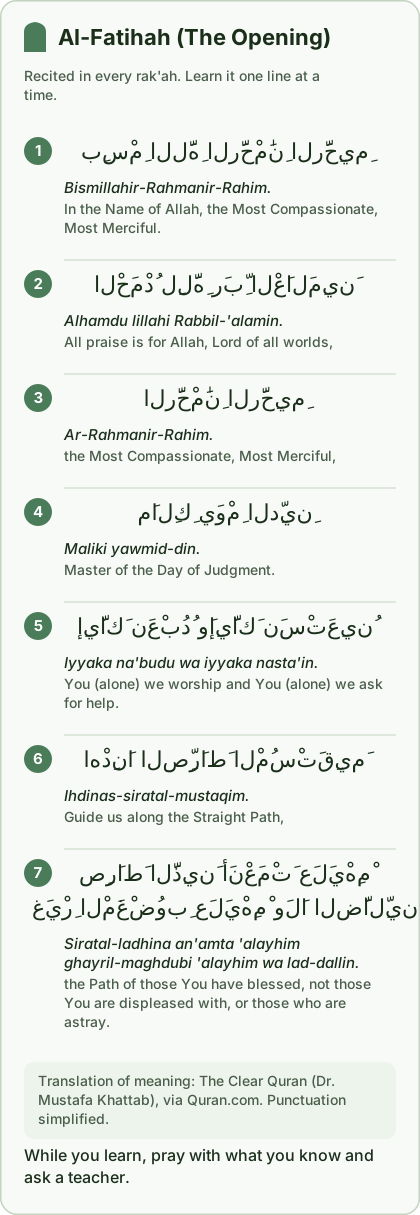
每个词都附有拉丁字母转写和含义的翻译。中文帮助你理解,阿拉伯语原文才是古兰经。从右往左读,一天一行。
第 1 节
第 2 节
第 3 节
第 4 节
第 5 节
第 6 节
第 7 节
英文拼写会用同样的字母表示阿拉伯语中不同的音。下面这些是说英语的人最常觉得难的。每一个都去听一位发音清楚的诵读者,而不要依赖拼写。诵读规则老师可以和你一起核对这些例子。
每个学习者都会犯错,先知说,诵读困难的人得到双倍的回赐。在沙斐仪学派中,读错一个字母会使那个词无效,所以你把这个词正确地再读一遍就好。只有当错误改变了意思,并且是故意的时候,礼拜本身才无效。
一份引用伊本·阿比丁(Ibn Abidin)的哈乃斐学派回答说,不小心把 saad 和 seen 这样的字母弄混,不会使礼拜无效,学习者应该继续做合理的努力。关于马立克学派和罕百里学派的细节,请问老师。
不需要一遍又一遍地重复一个词,也不需要因为一个不确定的字母而重新开始整个礼拜。这种疑虑(waswasa)是应该放下的。
在你按下播放之前,不会从 YouTube 加载任何内容。之后,视频会在 YouTube 的隐私增强型播放器中播放。如果视频无法播放或你处于离线状态,请使用“在 YouTube 上观看”链接。更多信息请见我们的 隐私政策.
Arabic 101也出售直播课程。这第一课可以免费观看。
在你按下播放之前,不会从 YouTube 加载任何内容。之后,视频会在 YouTube 的隐私增强型播放器中播放。如果视频无法播放或你处于离线状态,请使用“在 YouTube 上观看”链接。更多信息请见我们的 隐私政策.
在 Quran.com 的页面上按下播放,就能听到每一节经文。Mishary al-Afasy 是一位适合入门的、诵读清晰的诵读者。
每天学开端章的一节经文,每课不到10分钟,逐词分解讲解。免费,不需要账户就能阅读。
YouTube 上讲解礼拜中每一个短语的简短课程。第11到18集逐节讲解开端章。
免费课程不收费,也不需要账户。这个网站也出售付费的一对一课程,课程作者没有署名。
这里不会保存任何内容,也不会追踪任何东西。选一条路线,慢慢读,在感到太多之前就停下来。
从那些也可以用来练习礼拜的短章开始。慢慢读含义,然后听一遍。发音暂时先不管。
当羞愧或恐惧的声音比希望更大时,读这些经文。在加上任何别的内容之前,先细细体会这些经文所说的:安拉离你多么近,多么乐意饶恕。
分几次简短地阅读
每次读几页优素福章。它是一个完整连贯的故事:与他反目的家人、长久的忍耐、诱惑、监狱,最后是宽恕。
把你的阅读和礼拜联系起来。这些经文说明了礼拜的位置:它是记念,是祈求引导,也是你需要忍耐时可以去的地方。
让这一次保持实际。读完之后问问自己:它会改变你今天怎样说话、有多耐心,以及怎样待人。
把它打印出来,放在你看得到的地方。它不会保存你的进度,也不会提醒你任何事情。
第1天
读开端章的含义,然后听一遍。把关于引导的那一句带在身边,度过这一天。
读忠诚章、曙光章和世人章。留意它们关于安拉独一以及祈求保护的内容。今天不要试着背下来。
第3天
慢慢读 Quran 39:53。然后用你自己的话写一句话,说说安拉的慈悯对你的处境意味着什么。
读 Quran 2:186和23:109。然后用你自己的话,用中文做一段简短的祈祷。
读 Quran 20:14,再听一遍开端章。礼拜首先是记念。做到完美是以后的事。
读 Quran 2:153和时光章。今天选一件小事,在这件事上保持耐心,或者在不说实话更容易的时候说实话。
回到那段让你印象最深的经文。如果有什么让你困惑,写下确切的经文,带去问一位你信任的老师。
不要根据一张截图、一段短视频,或你在网上偶然碰到的一场争论来下结论。
读一读这节经文前后的经文,然后读一份可信的解释。
写下这节经文,写下它哪里让你不安,以及你真正想弄清楚的是什么。
把问题带给一位老师、一位伊玛目,或一个会注明资料来源的学习项目。
选择那些注明出版方和老师的资料。匿名的语录图片和辩论频道并不是学习古兰经的好方法。
本页面中的古兰经引用、译本说明、聆听指导和对待经本的说明都已经核对过。关于你自己的诵读、洁净或经注的问题,请向有资质的老师请教。
Quran Foundation - 古兰经经文与译文平台
本指南链接古兰经经文的地方,方便你阅读阿拉伯语原文、对照含义的英文译文,并聆听诵读。
Tanzil - 经过核实的古兰经经文项目
核实阿拉伯语古兰经经文的参考来源,并确保经文在任何引用之处都保持完整无误。
Dr. Mustafa Khattab / The Clear Quran - 古兰经含义译本
一部适合初学者的英文译本。引用时提醒读者:译本传达的是含义,并不是古兰经本身。
Quran.com - 古兰经经文与译文参考
开端章阿拉伯语原文的来源,用于礼拜中的诵读和祈求引导的祈祷。中文是含义的译文。
Quran.com - 古兰经经文与译文参考
在礼拜指南中用作短章的例子。中文是含义的译文。
Quran.com - 古兰经经文与译文参考
在古兰经入门路线中用于第一次学习和短章阅读计划。中文是含义的译文。
Quran.com - 古兰经经文与译文参考
在古兰经入门路线中用于第一次学习和短章阅读计划。中文是含义的译文。
Quran.com - 古兰经经文与译文参考
在古兰经入门路线中用于“慈悯与希望”阅读路线。中文是含义的译文。
Quran.com - 古兰经经文与译文参考
引用它是为了提醒你可以直接向安拉祈祷。指南中的示例措辞并不是作为传述下来的祈祷词提供的。
Quran.com - 古兰经经文与译文参考
这段古兰经祈祷词的出处,祈求饶恕和慈悯。
Quran.com - 古兰经经文与译文参考
在古兰经入门路线中用于“先知与人生目的”阅读路线。中文是含义的译文。
Quran.com - 古兰经经文与译文参考
在古兰经入门路线中用于“礼拜与崇拜”阅读路线。中文是含义的译文。
Quran.com - 古兰经经文与译文参考
在古兰经入门路线中用于“品德、忍耐与崇拜”阅读路线。中文是含义的译文。
Quran.com - 古兰经经文与译文参考
在礼拜指南中用作短章的例子。中文是含义的译文。
Quran.com - 古兰经诵读参考
引用它作为聆听古兰经的指导,通过 Quran.com 上的官方诵读者页面。
New Muslim Academy - 面向新穆斯林的古兰经礼仪文章
引用它作为尊重地对待古兰经的参考,详细的洁净问题留给当地有资质的老师。
New Muslim Academy - 新穆斯林教育
引用于初学者的学习路线,以及新穆斯林最先需要的实际支持。
SeekersGuidance - 有资质的伊斯兰教育
引用于本指南不再深入、而是建议你就个人情况请教有资质学者的地方。
Yaqeen Institute for Islamic Research - 伊斯兰研究与教育
引用于信仰问题、疑惑、灵性修养和初学者学习路线。
Quranic Arabic Corpus (University of Leeds; maintained by the Quran.com team) - 逐词参考
开端章的每一个词,附有阿拉伯语原文、拉丁字母转写、英语释义和语法。可以用它来核对本网站上的词义。GNU 许可并附有使用条款;这里没有复制其释义。
Quran.com (Quran.Foundation) - 学习计划
免费的七天计划,每天学开端章的一节经文,每课不到10分钟,附有逐词解析。课程由 Shaykh Hammad Fahim 讲授。不需要账户就能阅读;账户是可选的,用于记录学习进度。
Islamwise (new Muslim project with Green Lane Masjid) - 视频(YouTube)
逐句讲解礼拜中所念的内容,逐节讲解开端章(第11到18集),以及坐念作证词和赞圣词。各集说明链接到一位主讲人的个人播放列表;请使用这个 Islamwise 播放列表。部分核实。只提供链接,未嵌入。YouTube 标准许可;无下载或重新上传的权利。
Islamwise (new Muslim project with Green Lane Masjid) - 视频(YouTube)
第12集:教念“Alhamdu lillahi Rabbil-'alamin”及其含义;第11到18集用同样的方式讲解开端章。部分核实。通过 YouTube 的隐私增强型播放器(youtube-nocookie.com)嵌入,只有在你按下播放后才会加载。YouTube 标准许可;上传者允许嵌入(2026-09-23检查)。无下载或重新上传的权利。
Madinah Arabic FZE (United Arab Emirates) - 在线课程
免费的阿拉伯字母阅读课程,附有语法和词汇表。免费课程不需要注册;也出售付费的一对一课程。在查看过的页面上没有注明课程编写者。
Arabic 101 (arabic101.org) - 视频(YouTube)
前七个字母,每个字母在词中的四种位置形式,以及读出最初的几个词。Arabic 101也出售直播课程。通过 YouTube 的隐私增强型播放器(youtube-nocookie.com)嵌入,只有在你按下播放后才会加载。YouTube 标准许可;上传者允许嵌入(2026-09-23检查)。无下载或重新上传的权利。