گام 1 - پیش از نماز
با آرامش آماده شوید
وضو بگیرید، جای تمیزی پیدا کنید، رو به قبله بایستید و در دلتان مشخص کنید این کدام نماز است. لازم نیست نیت را بلند بگویید.
ابزار یادگیری عبادت
در انتظار بازبینی عالم دینی
مرور آرام یک نماز ساده دو رکعتی، با قرائتهایی که یک مبتدی لازم دارد و نکتههایی صادقانه درباره اینکه کی باید از کسی بپرسید.
تا وقتی هنوز کلمات را یاد میگیرید، با اخلاص نماز بخوانید.
پیش از دنبال کردن تکتک جزئیات، شکل کلی نماز را یاد بگیرید.
درباره هر چیزی که به شرایط خود شما بستگی دارد، از یک امام واجد شرایط بپرسید.
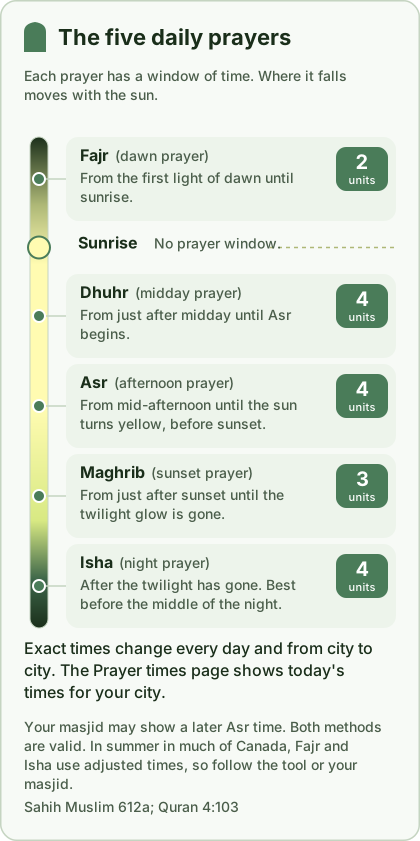
| نماز | بازه زمانی | رکعتها |
|---|---|---|
| نماز صبح (فجر) | از نخستین روشنایی سپیده تا طلوع آفتاب. | 2 |
| نماز نیمروز (ظهر) | از کمی پس از نیمروز، وقتی خورشید از بالاترین نقطهاش گذشته، تا آغاز عصر. | 4 |
| نماز بعدازظهر (عصر) | از میانه بعدازظهر تا غروب آفتاب. سعی کنید آن را تا زرد شدن خورشید به تأخیر نیندازید. | 4 |
| نماز غروب (مغرب) | از کمی پس از غروب آفتاب تا ناپدید شدن شفق. | 3 |
| نماز عشا | از ناپدید شدن شفق تا نیمهشب. | 4 |
میتوانید در هر زمانی درون بازه نماز بخوانید، پس لازم نیست دقیق سر دقیقه باشد. مذاهب درباره زمان آغاز عصر (در مذهب حنفی دیرتر آغاز میشود) و آخرین زمان عشا اختلاف دارند. در تابستان، بخش بزرگی از کانادا برای فجر و عشا از قواعد تعدیلشده استفاده میکند، پس از صفحه اوقات نماز یا جدول اوقات مسجد محلیتان استفاده کنید.
نمازهای سالهای پیش از مسلمان شدن بر گردن شما نیست. پیامبر فرمود اسلام آنچه را پیش از آن بوده پاک میکند، پس از امروز شروع میکنید. برخی علما میافزایند که تازهمسلمانی که هنوز نمیدانست نماز واجب است، مکلف به قضای آن مدت هم نیست. اگر مطمئن نیستید این درباره شما چگونه است، از استادی بپرسید.
این یک نقشه است، نه استاد. از آن برای یادگیری ترتیب استفاده کنید، سپس از یک امام یا استاد محلی بخواهید یک بار نماز خواندنتان را ببیند و اصلاح کند.
گام 1 - پیش از نماز
وضو بگیرید، جای تمیزی پیدا کنید، رو به قبله بایستید و در دلتان مشخص کنید این کدام نماز است. لازم نیست نیت را بلند بگویید.
گام 2 - تکبیر آغاز
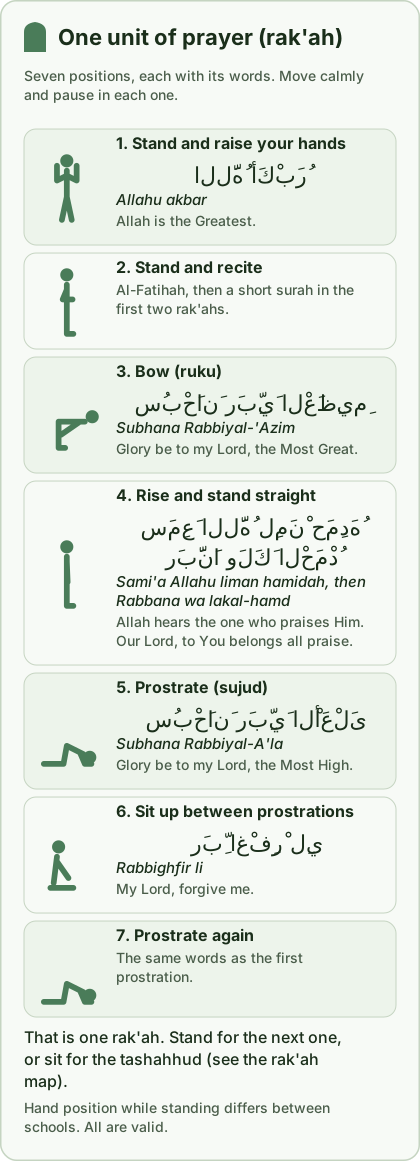
دستها را بالا ببرید و الله اکبر بگویید. این نماز را آغاز میکند و از آن لحظه از گفتوگوی معمولی بیرون آمده و وارد عبادت شدهاید.
گام 3 - ایستاده
سوره فاتحه را بخوانید، سپس یک سوره کوتاه یا چند آیهای که رویش کار میکنید. اگر هنوز نمیتوانید قرائت کنید، بخش «اگر هنوز نمیتوانید عربی بخوانید» در پایین توضیح میدهد مذاهب در این فاصله چه چیزی را جایز میدانند.
گام 4 - رکوع
با پشتی صاف و آرام خم شوید و ذکر رکوع را بگویید. هنگام برخاستن «سمع الله لمن حمده» بگویید و وقتی راست ایستادید «ربنا و لک الحمد». پیش از پایین رفتن مکث کنید. برای تمام کردنش عجله نکنید.
گام 5 - سجده
به سجده بروید و ذکر سجده را بگویید. بنشینید و «رب اغفر لی» بگویید، سپس بار دوم با همان ذکر سجده کنید. بگذارید هر حالت پیش از رفتن به حالت بعد جا بیفتد.
گام 6 - رکعت دوم
دوباره بایستید و همان شکل را تکرار کنید: سوره فاتحه، قرائتی کوتاه، رکوع، برخاستن و سپس دو سجده.
گام 7 - تشهد
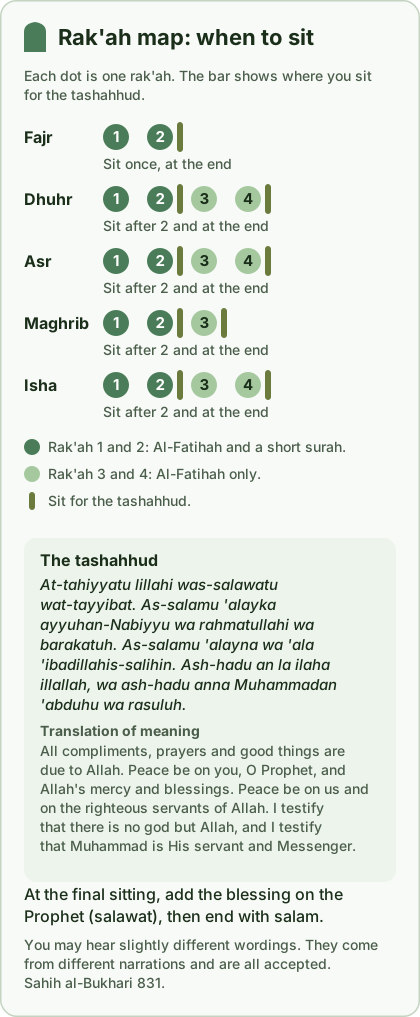
پس از رکعت دوم بنشینید و تشهد را بخوانید. در نماز دو رکعتی این نشستن پایانی است، پس پیش از سلام صلوات بر پیامبر را هم بخوانید. در نماز سه یا چهار رکعتی این نشستن نخست کوتاهتر است و پس از آن دوباره میایستید. نقشه رکعتها در پایین نشان میدهد هر نشستن کجاست.
گام 8 - سلام
سرتان را به راست و سپس به چپ برگردانید و هر بار سلام بدهید. این نماز را تمام میکند. پیش از برخاستن و بازگشت به روزتان لحظهای بنشینید.
یک بار دیدن حرکات، دنبال کردن نقشه بالا را آسانتر میکند. اگر فقط چند دقیقه وقت دارید، یک نماز را از فهرست زیر ویدیو انتخاب کنید.
رفتن به یک بخش
بخش نماز عصر کوتاه است چون عصر مانند ظهر خوانده میشود. ویدیو از روش یک مذهب پیروی میکند و تفاوتهای کوچک میان مذاهب طبیعی است. زیرنویسها خودکار ساخته شدهاند.
تماشا در یوتیوب(در زبانه تازه باز میشود)
تا دکمه پخش را نزنید، چیزی از یوتیوب بارگذاری نمیشود. پس از آن، ویدیو در پخشکننده یوتیوب با حالت حریم خصوصی تقویتشده پخش میشود. اگر ویدیو پخش نشد یا آفلاین هستید، از پیوند «تماشا در یوتیوب» استفاده کنید. توضیح بیشتر در سیاست حریم خصوصی ما.
هر کارت متن عربی، آوانویسی و معنا را میآورد. جایی که متن قرآن است، ترجمه برگردان معناست تا به فهم شما کمک کند و قرآن همان متن عربی است.
آغاز نماز
اللَّهُ أَكْبَرُ
آوانویسی
Allahu akbar
معنا
الله بزرگتر است.
نکته برای مبتدیان
این نخستین عبارتی است که باید یاد بگیرید. آن را روشن و بیشتاب بگویید. لهجهتان خودبهخود بهتر میشود.
بِسْمِ اللَّهِ الرَّحْمَٰنِ الرَّحِيمِ الْحَمْدُ لِلَّهِ رَبِّ الْعَالَمِينَ الرَّحْمَٰنِ الرَّحِيمِ مَالِكِ يَوْمِ الدِّينِ إِيَّاكَ نَعْبُدُ وَإِيَّاكَ نَسْتَعِينُ اهْدِنَا الصِّرَاطَ الْمُسْتَقِيمَ صِرَاطَ الَّذِينَ أَنْعَمْتَ عَلَيْهِمْ غَيْرِ الْمَغْضُوبِ عَلَيْهِمْ وَلَا الضَّالِّينَ
آوانویسی
Bismillahir-Rahmanir-Rahim. Alhamdu lillahi Rabbil-'alamin. Ar-Rahmanir-Rahim. Maliki yawmid-din. Iyyaka na'budu wa iyyaka nasta'in. Ihdinas-siratal-mustaqim. Siratal-ladhina an'amta 'alayhim ghayril-maghdubi 'alayhim wa lad-dallin.
معنا
ترجمه معنا: ستایش، پرستش و یاریجویی از آن الله است و از او میخواهیم ما را به راه راست هدایت کند.
نکته برای مبتدیان
سوره فاتحه نخستین هدف واقعی حفظ است. هر بار یک عبارت را یاد بگیرید و تا وقتی در حال یادگیری آن هستید، از استادی بپرسید چه بخوانید. در نماز جماعت، وقتی امام سوره فاتحه را تمام میکند و «آمین» (خدایا، اجابت کن) میگوید، شما هم همراه او «آمین» بگویید. اگر درباره گفتن آن در نماز فرادا پرسشی دارید، از یک استاد بپرسید.
پس از سوره فاتحه در دو رکعت نخست
قُلْ هُوَ اللَّهُ أَحَدٌ اللَّهُ الصَّمَدُ لَمْ يَلِدْ وَلَمْ يُولَدْ وَلَمْ يَكُن لَّهُ كُفُوًا أَحَدٌ
آوانویسی
Qul huwa Allahu ahad. Allahus-samad. Lam yalid wa lam yulad. Wa lam yakun lahu kufuwan ahad.
معنا
ترجمه معنا: الله یکی است، بینیاز است، شبیه آفریدگان نیست و هیچ چیز همتای او نیست.
نکته برای مبتدیان
بیشتر مبتدیان از اینجا شروع میکنند. کوتاه است و یگانگی الله را در چهار سطر بیان میکند.
پس از سوره فاتحه در دو رکعت نخست
وَالْعَصْرِ إِنَّ الْإِنسَانَ لَفِي خُسْرٍ إِلَّا الَّذِينَ آمَنُوا وَعَمِلُوا الصَّالِحَاتِ وَتَوَاصَوْا بِالْحَقِّ وَتَوَاصَوْا بِالصَّبْرِ
آوانویسی
Wal-'asr. Innal-insana lafi khusr. Illal-ladhina amanu wa 'amilus-salihat, wa tawasaw bil-haqqi wa tawasaw bis-sabr.
معنا
ترجمه معنا: انسانها در زیاناند، مگر کسانی که ایمان آورند، کار نیک کنند و یکدیگر را به حق و صبر سفارش کنند.
نکته برای مبتدیان
هر بار روی یک سوره کوتاه کار کنید. اول گوش دادن به قاری معتبر بیش از شتاب در چند سوره به شما کمک میکند.
هنگام رکوع
سُبْحَانَ رَبِّيَ الْعَظِيمِ
آوانویسی
Subhana Rabbiyal-'Azim
معنا
پاک و منزه است پروردگار بزرگ من.
نکته برای مبتدیان
بیشتر راهنماها سه بار گفتن آن را آموزش میدهند. در دوران یادگیری، یک بار روشن گفتن نقطه شروع خوبی است. جزئیات را از استادی بپرسید.
هنگام برخاستن از رکوع
سَمِعَ اللَّهُ لِمَنْ حَمِدَهُ رَبَّنَا وَلَكَ الْحَمْدُ
آوانویسی
Sami'a Allahu liman hamidah. Rabbana wa lakal-hamd.
معنا
الله ستایش هر کس را که او را بستاید میشنود. پروردگارا، و ستایش از آن توست.
نکته برای مبتدیان
سطر نخست را هنگام برخاستن بگویید و دومی را وقتی راست ایستادید. «ربنا لک الحمد» را بدون «و» هم خواهید شنید. هر دو عبارت در حدیث آمدهاند.
هنگام سجده
سُبْحَانَ رَبِّيَ الْأَعْلَى
آوانویسی
Subhana Rabbiyal-A'la
معنا
پاک و منزه است پروردگار برتر من.
نکته برای مبتدیان
سجده چند بار نخست غریب به نظر میرسد. با سرعتی که بدنتان راحت است حرکت کنید، وقتی پایین رفتید مکث کنید و ذکر را یاد بگیرید. آهسته بودن کوتاهی نیست.
رَبِّ اغْفِرْ لِي
آوانویسی
Rabbighfir li
معنا
پروردگارا، مرا ببخش.
نکته برای مبتدیان
دو کلمه است و پیامبر آن را تکرار میکرد. یک یا دو بار بگویید. اگر خواستید، استادی بعدها نسخه بلندتری نشانتان میدهد.
هر نشستن: پس از رکعت دوم و در پایان
التَّحِيَّاتُ لِلَّهِ وَالصَّلَوَاتُ وَالطَّيِّبَاتُ السَّلَامُ عَلَيْكَ أَيُّهَا النَّبِيُّ وَرَحْمَةُ اللَّهِ وَبَرَكَاتُهُ السَّلَامُ عَلَيْنَا وَعَلَى عِبَادِ اللَّهِ الصَّالِحِينَ أَشْهَدُ أَنْ لَا إِلَٰهَ إِلَّا اللَّهُ وَأَشْهَدُ أَنَّ مُحَمَّدًا عَبْدُهُ وَرَسُولُهُ
آوانویسی
At-tahiyyatu lillahi was-salawatu wat-tayyibat. As-salamu 'alayka ayyuhan-Nabiyyu wa rahmatullahi wa barakatuh. As-salamu 'alayna wa 'ala 'ibadillahis-salihin. Ash-hadu an la ilaha illallah, wa ash-hadu anna Muhammadan 'abduhu wa rasuluh.
معنا
همه درودها، نمازها و پاکیها از آن الله است. سلام بر تو ای پیامبر و رحمت و برکات الله. سلام بر ما و بر بندگان درستکار الله. گواهی میدهم که هیچ معبودی جز الله نیست و گواهی میدهم که محمد بنده و فرستاده اوست.
نکته برای مبتدیان
این عبارتی است که ابن مسعود روایت کرده است. ممکن است عبارتهای اندکی متفاوت از روایتهای صحیح دیگر بشنوید، پس از استادتان پیروی کنید. آن را سطر به سطر یاد بگیرید.
نشستن پایانی، پس از تشهد
اللَّهُمَّ صَلِّ عَلَى مُحَمَّدٍ وَعَلَى آلِ مُحَمَّدٍ كَمَا صَلَّيْتَ عَلَى إِبْرَاهِيمَ وَعَلَى آلِ إِبْرَاهِيمَ إِنَّكَ حَمِيدٌ مَجِيدٌ اللَّهُمَّ بَارِكْ عَلَى مُحَمَّدٍ وَعَلَى آلِ مُحَمَّدٍ كَمَا بَارَكْتَ عَلَى إِبْرَاهِيمَ وَعَلَى آلِ إِبْرَاهِيمَ إِنَّكَ حَمِيدٌ مَجِيدٌ
آوانویسی
Allahumma salli 'ala Muhammadin wa 'ala ali Muhammad, kama sallayta 'ala Ibrahima wa 'ala ali Ibrahim, innaka Hamidun Majid. Allahumma barik 'ala Muhammadin wa 'ala ali Muhammad, kama barakta 'ala Ibrahima wa 'ala ali Ibrahim, innaka Hamidun Majid.
معنا
خدایا، بر محمد و خاندان محمد رحمت فرست، همانگونه که بر ابراهیم و خاندان ابراهیم رحمت فرستادی. تو ستوده و بزرگواری. خدایا، بر محمد و خاندان محمد برکت فرست، همانگونه که بر ابراهیم و خاندان ابراهیم برکت فرستادی. تو ستوده و بزرگواری.
نکته برای مبتدیان
آن را در نشستن پایانی، پس از تشهد و پیش از سلام بگویید. اینکه در نشستن نخست نمازهای طولانیتر هم گفته شود یا نه، میان مذاهب فرق دارد، پس از استادتان بپرسید.
پایان نماز
السَّلَامُ عَلَيْكُمْ وَرَحْمَةُ اللَّهِ
آوانویسی
As-salamu 'alaykum wa rahmatullah
معنا
سلام و رحمت الله بر شما باد.
نکته برای مبتدیان
این نماز را میبندد. سرتان را آرام به هر سو برگردانید. لازم نیست حرکت بزرگی باشد.
هر نماز با یک نشستن تمام میشود. نمازهای سه یا چهار رکعتی پس از رکعت دوم یک نشستن کوتاهتر هم دارند.
درسهای کوتاه از Islamwise، پروژهای برای تازهمسلمانان که با همکاری مسجد گرین لین (Green Lane Masjid) اداره میشود. در هر درس یک عبارت آرام گفته میشود و معنای آن توضیح داده میشود.
تماشا در یوتیوب(در زبانه تازه باز میشود)
تا دکمه پخش را نزنید، چیزی از یوتیوب بارگذاری نمیشود. پس از آن، ویدیو در پخشکننده یوتیوب با حالت حریم خصوصی تقویتشده پخش میشود. اگر ویدیو پخش نشد یا آفلاین هستید، از پیوند «تماشا در یوتیوب» استفاده کنید. توضیح بیشتر در سیاست حریم خصوصی ما.
استفاده از این عبارتها در دوران یادگیری یکی از دیدگاهها میان مذاهب است. بخش مربوط به نماز پیش از توانایی قرائت را ببینید.
تماشا در یوتیوب(در زبانه تازه باز میشود)
تا دکمه پخش را نزنید، چیزی از یوتیوب بارگذاری نمیشود. پس از آن، ویدیو در پخشکننده یوتیوب با حالت حریم خصوصی تقویتشده پخش میشود. اگر ویدیو پخش نشد یا آفلاین هستید، از پیوند «تماشا در یوتیوب» استفاده کنید. توضیح بیشتر در سیاست حریم خصوصی ما.
29 درس کوتاه، هر بار یک عبارت، از جمله سوره فاتحه آیه به آیه، تشهد و صلوات.
باز کردن مجموعه در یوتیوباین مروری کلی برای مبتدیان است. جزئیات میان مذاهب فقهی و بسته به شرایط فرق میکند.
زندگی واقعی گاهی سر راه نماز قرار میگیرد. موقعیت خودتان را اینجا پیدا کنید و مستقیم به پاسخ بروید.
اگر بخشی از نماز را فراموش کردید، چیزی را اشتباهی اضافه کردید یا شمار رکعتها را گم کردید، راه جبرانی ساده وجود دارد: دو سجده اضافه به نام سجده سهو، یعنی سجده فراموشی. برای بسیاری از اشتباهها لازم نیست نماز را از نو شروع کنید.
تا وقتی تازهکارید، نماز را با آرامش تمام کنید و بعد درباره آن اشتباه خاص از استادی بپرسید. هیچکس انتظار ندارد در ماههای نخست همه احکام را بدانید.
وارد مسجد شدن وقتی نماز شروع شده برای همه پیش میآید. پیامبر (صلی الله علیه و سلم) فرمود با آرامش بیایید، آنچه را رسیدید بخوانید و آنچه را از دست دادید کامل کنید (صحیح بخاری 636).
از یک امام محلی بخواهید یک بار شیوه پیوستن دیرهنگام به جماعت را با شما مرور کند. پنج دقیقه طول میکشد و از نگرانی زیادی نجاتتان میدهد.
تقریباً هر جای پاکی میتوانید نماز بخوانید. چند وسیله کوچک در کیفتان کار را در محل کار، مدرسه یا سفر آسانتر میکند.
نماز میت ایستاده و پشت سر امام خوانده میشود، بدون رکوع و بدون سجده. کوتاه است و معمولاً چند دقیقه طول میکشد. حاضر شدن در آن پاداش دارد و ماندن تا خاکسپاری پاداشی بیشتر (صحیح بخاری 1325).
اگر کسی از آشنایانتان درگذشته است، مسجد محل میتواند به شما بگوید نماز میت کی و کجا برگزار میشود.
اگر درد، بیماری یا معلولیت ایستادن، رکوع یا سجده را سخت میکند، به همان شکلی نماز بخوانید که بدنتان اجازه میدهد. پیامبر به یکی از یارانش که بیمار بود فرمود ایستاده نماز بخواند، اگر نتوانست نشسته و اگر نتوانست به پهلو خوابیده.
یک امام یا استاد محلی میتواند یک بار نماز خواندنتان را ببیند و کمکتان کند به روشی برسید که با بدنتان سازگار است. هرگز لازم نیست درد را تحمل کنید تا نمازتان پذیرفته شود. در بیمارستان، هر طور که میتوانید در تخت نماز بخوانید و از پرستاران بپرسید آیا بیمارستان تیم مراقبت معنوی دارد.
رفتن به یک بخش
نماز خواندن روی زمین، روی صندلی، ایستاده بدون رکوع و درازکش در بستر را نشان میدهد.
تماشا در یوتیوب(در زبانه تازه باز میشود)
تا دکمه پخش را نزنید، چیزی از یوتیوب بارگذاری نمیشود. پس از آن، ویدیو در پخشکننده یوتیوب با حالت حریم خصوصی تقویتشده پخش میشود. اگر ویدیو پخش نشد یا آفلاین هستید، از پیوند «تماشا در یوتیوب» استفاده کنید. توضیح بیشتر در سیاست حریم خصوصی ما.
نمایش کوتاه دوم، از جمله نماز خواندن روی صندلی در صف مسجد.
نماز را با آرامش تمام کنید، سپس درباره آن اشتباه خاص بپرسید. نگرانی معمولاً بیش از خود اشتباه به شما ضرر میزند.
تلفظ فقط با تکرار درست میشود. الله فرق میان کسی که تلاش نمیکند و کسی که هنوز یاد میگیرد را میداند.
این تفاوتها معمولاً همه درستاند و هیچکدام دلیلی برای کنار گذاشتن نماز نیستند. یک روش معتبر مقدماتی یاد بگیرید و پیش از تغییر دوباره از استادی بپرسید.
آنقدر آرام شوید که هر حالت بهروشنی جدا باشد. یک نماز کوتاه و آرام بیش از نمازی سریع و پرنگرانی به شما یاد میدهد.
این یک همراه مقدماتی است. ارجاعها بررسی شدهاند. احکام شخصی نماز، جزئیات ویژه هر مذهب، تسهیلات برای معلولیت و موقعیتهای غیرعادی همچنان به بررسی فردی واجد شرایط نیاز دارند.
Quran.com - مرجع متن و ترجمه قرآن
منبع متن عربی سوره فاتحه که در قرائت نماز و در دعای هدایت به کار رفته است. عبارت فارسی ترجمه معناست.
Quran.com - مرجع متن و ترجمه قرآن
در «یادگیری نماز (صلات)» بهعنوان نمونه سوره کوتاه به کار رفته است. عبارت فارسی ترجمه معناست.
Quran.com - مرجع متن و ترجمه قرآن
در «یادگیری نماز (صلات)» بهعنوان نمونه سوره کوتاه به کار رفته است. عبارت فارسی ترجمه معناست.
Sunnah.com - مرجع حدیث
برای این اصل به آن استناد شده که نماز از روش آموزشدادهشده پیامبر یاد گرفته میشود و جزئیات مقدماتی به استادان واجد شرایط سپرده شده است.
New Muslim Guide - راهنمای مقدماتی نماز
برای آشنایی مقدماتی با نماز و ترتیب آن به آن استناد شده و احکام و شرایط شخصی به استادان واجد شرایط سپرده شده است.
Sunnah.com - مرجع دعا و ذکر
منبع ذکر مقدماتی رکوع در «یادگیری نماز (صلات)».
Sunnah.com - مرجع دعا و ذکر
منبع ذکر مقدماتی سجده در «یادگیری نماز (صلات)».
Sunnah.com - مرجع حدیث
منبع مرور تشهد، با این یادآوری که متن کامل را از استادی واجد شرایط یا صدای ضبطشده معتبری یاد بگیرید.
Sunnah.com - مرجع حدیث
منبع سلامی که در پایان نماز گفته میشود.
SeekersGuidance - آموزش اسلامی از افراد واجد شرایط
جایی به آن استناد شده که راهنما دست نگه میدارد و به شما میگوید درباره وضعیت خودتان از عالمی واجد شرایط بپرسید.
Green Lane Masjid and Community Centre (Birmingham, UK) - ویدیو (یوتیوب)
فجر، ظهر، مغرب و عشا را کامل نشان میدهد؛ بخش عصر 27 ثانیه است و احتمالاً به ظهر ارجاع میدهد. زمانبندی سازنده: 1:11 پیش از نماز، 2:23 نمازهای پنجگانه، 2:47 واژهنامه و مرور رکعتها، 3:48 فجر، 11:27 ظهر، 22:31 عصر، 22:58 مغرب، 32:59 عشا. فقط زیرنویس خودکار انگلیسی دارد. از روش یک مذهب پیروی میکند. از طریق پخشکننده یوتیوب با حالت حریم خصوصی تقویتشده (youtube-nocookie.com) جاسازی شده و فقط پس از زدن دکمه پخش بارگذاری میشود. مجوز استاندارد یوتیوب؛ بارگذار اجازه جاسازی داده است (بررسیشده در 2026-09-23). حق دانلود یا بارگذاری دوباره وجود ندارد.
Islamwise (new Muslim project with Green Lane Masjid) - ویدیو (یوتیوب)
قسمت 10: همه عبارتهای یک رکعت، از الله اکبر تا سلام، همراه با ذکر جامع. بخشی از آن تأیید شده است؛ استفاده از عبارتهای ذکر در دوران یادگیری سوره فاتحه دیدگاهی فقهی است که به بررسی نیاز دارد. از طریق پخشکننده یوتیوب با حالت حریم خصوصی تقویتشده (youtube-nocookie.com) جاسازی شده و فقط پس از زدن دکمه پخش بارگذاری میشود. مجوز استاندارد یوتیوب؛ بارگذار اجازه جاسازی داده است (بررسیشده در 2026-09-23). حق دانلود یا بارگذاری دوباره وجود ندارد.
Islamwise (new Muslim project with Green Lane Masjid) - ویدیو (یوتیوب)
قسمت 3: پنج عبارت (سبحانالله، الحمدلله، لا إله إلا الله، الله اکبر، لا حول و لا قوة إلا بالله) برای به کار بردن در حالتهای نماز تا وقتی سوره فاتحه یاد گرفته شود. دیدگاهی فقهی است؛ جزئیات در مذاهب فرق میکند. از طریق پخشکننده یوتیوب با حالت حریم خصوصی تقویتشده (youtube-nocookie.com) جاسازی شده و فقط پس از زدن دکمه پخش بارگذاری میشود. مجوز استاندارد یوتیوب؛ بارگذار اجازه جاسازی داده است (بررسیشده در 2026-09-23). حق دانلود یا بارگذاری دوباره وجود ندارد.
Islamwise (new Muslim project with Green Lane Masjid) - ویدیو (یوتیوب)
درسهای عبارت به عبارت درباره آنچه در نماز گفته میشود، سوره فاتحه آیه به آیه (قسمتهای 11 تا 18)، تشهد و صلوات. توضیحات قسمتها به فهرست پخش شخصی یکی از ارائهدهندگان پیوند میدهند؛ از همین فهرست پخش Islamwise استفاده کنید. بخشی از آن تأیید شده است. فقط پیوند داده شده، نه جاسازی. مجوز استاندارد یوتیوب؛ حق دانلود یا بارگذاری دوباره وجود ندارد.
Sunnah.com - مرجع حدیث
پیامبر هنگام برخاستن از رکوع «سمع الله لمن حمده» میگفت، سپس ایستاده «ربنا و لک الحمد» (این روایت «ربنا لک الحمد» را هم آورده است). در صحیح بخاری.
Sunnah.com - مرجع حدیث
پیامبر میان دو سجده میگفت «رب اغفر لی، رب اغفر لی». در Sunnah.com صحیح (Darussalam) دانسته شده است.
Sunnah.com - مرجع حدیث
پاک و منزه است پروردگار بزرگ من در رکوع، پروردگار برتر من در سجده، و «پروردگارا، مرا ببخش» میان دو سجده. در Sunnah.com صحیح (آلبانی) دانسته شده است.
Sunnah.com - مرجع حدیث
متن صلوات بر پیامبر و خاندانش، همانگونه که بر ابراهیم و خاندانش. در صحیح بخاری.
Sunnah.com - مرجع حدیث
پیامبر آموخت: تکبیر بگو، آنچه از قرآن میدانی بخوان، آنقدر رکوع کن تا آرام گیری، راست بایست، آنقدر سجده کن تا آرام گیری، آنقدر بنشین تا آرام گیری. در صحیح بخاری.
Sunnah.com - مرجع حدیث
روایت بلندتر که از سجده دوم هر رکعت نام میبرد. در صحیح بخاری.
The Islamic Foundation of Ireland - کتابچه مقدماتی
امام یحیی م. الحسین، مقدمه به تاریخ 1999. شمار رکعتها و جای تشهد در هر نماز (فجر پس از رکعت 2؛ ظهر، عصر و عشا پس از رکعت 2 و 4؛ مغرب پس از رکعت 2 و 3). فهرست مبطلات وضوی آن لمس عورت را شامل میشود و خونریزی و استفراغ را نه، که دیدگاه حنفی نیست. فقط پیوند؛ مجوزی ذکر نشده است.
Sunnah.com - مرجع حدیث
دستور پیامبر: اگر در شمار رکعتهایی که خواندهاید شک دارید، بر آنچه یقین دارید بنا کنید و پیش از سلام دو سجده کنید. در صحیح مسلم.
Sunnah.com - مرجع حدیث
پیامبر پس از آنکه اشتباهی پنج رکعت خواند، پس از سلام دو سجده کرد. در صحیح بخاری.
SeekersGuidance - پاسخ علمی
شیخ دکتر باسم عیتانی، 26 ژوئن 2024. روش حنفی سجده سهو و آنچه آن را لازم میکند. فقط پیوند (همه حقوق محفوظ).
NewMuslims.com - درس
امام مفتی، 2016. سجده سهو چه وقت انجام میشود، روشهای پیش از سلام و پس از سلام و اینکه کسی که پشت سر امام نماز میخواند سجده جداگانه نمیکند. فقط پیوند.
Sunnah.com - مرجع حدیث
فجر تا آغاز طلوع آفتاب ادامه دارد؛ ظهر تا رسیدن عصر؛ عصر تا زرد شدن خورشید؛ مغرب تا ناپدید شدن شفق؛ عشا تا گذشتن نیمی از شب. در صحیح مسلم.
Quran.com - مرجع قرآن
«برپا داشتن نماز بر مؤمنان در وقتهای مقرر واجب است» (The Clear Quran، ترجمه معنا).
NewMuslims.com - درس
جدولی مقدماتی از نمازهای پنجگانه با شمار رکعتها و بازههای زمانی، از جمله عشا تا نیمهشب (که در صورت ضرورت تا سپیدهدم قابل تمدید است). عربی خواندن نماز را شرط میداند که با رخصت حنفی برای کسی که هنوز نمیتواند قرائت کند فرق دارد. فقط پیوند.
Sunnah.com - مرجع حدیث
پیامبر به عمرو بن عاص فرمود: «آیا نمیدانی که اسلام همه بدیهای پیشین را پاک میکند؟» در صحیح مسلم.
SeekersGuidance - پاسخ علمی
استاد شایسته مقبول، با بررسی شیخ فراز ربانی، 4 سپتامبر 2012. تازهمسلمانی که در کشوری غیرمسلمان است مسئول نمازهای دورهای نیست که هنوز نمیدانست نماز واجب است؛ نمازهایی که بعدها از دست رفتهاند با برنامهای شدنی قضا میشوند. پاسخی در چارچوب حنفی است و مستقیماً درباره نمازهای پیش از اسلام سخن نمیگوید. فقط پیوند.
Sunnah.com - مرجع حدیث
پیامبر به عمران بن حصین که بیمار بود فرمود: ایستاده نماز بخوان، اگر نتوانستی نشسته، و اگر نتوانستی به پهلو خوابیده. در صحیح بخاری.
SeekersGuidance - پاسخ علمی
استاد تبریز اعظم، 8 فوریه 2013. چه وقت میتوان ایستادن را ترک کرد (ناتوانی، درد شدید یا سرگیجه، ترس از آسیب)، نماز روی زمین با سجده واقعی اگر ممکن است، وگرنه با حرکت سر، و استفاده از صندلی اگر نشستن روی زمین سخت است. فقط پیوند.
SeekersGuidance - پاسخ علمی
شیخ دکتر محمد ابوبکر باذیب، 20 ژوئن 2024. بیماری موقت و طولانیمدت، نماز روی صندلی یا درازکش رو به قبله و اشاره با سر که سجده در آن پایینتر از رکوع است. فقط پیوند.
Green Lane Masjid and Community Centre (Birmingham, UK) - ویدیو (یوتیوب)
نماز نشسته روی زمین، روی صندلی، ایستاده بدون رکوع و درازکش در بستر، هرکدام با نمایش. بخشهای یوتیوب: 1:06 نشسته روی زمین، 2:51 روی صندلی، 3:35 ناتوانی در رکوع، 4:39 درازکش در بستر. مذاهب درباره جزئیات صندلی اختلاف دارند. از طریق پخشکننده یوتیوب با حالت حریم خصوصی تقویتشده (youtube-nocookie.com) جاسازی شده و فقط پس از زدن دکمه پخش بارگذاری میشود. مجوز استاندارد یوتیوب؛ بارگذار اجازه جاسازی داده است (بررسیشده در 2026-09-23). حق دانلود یا بارگذاری دوباره وجود ندارد.
Sheikh Assim al-Hakeem (official channel) - ویدیو (یوتیوب)
نماز روی صندلی هنگام ناتوانی از ایستادن، بهتنهایی و در صف مسجد. بخشی از آن تأیید شده است؛ مذاهب درباره جزئیات صندلی اختلاف دارند. فقط پیوند داده شده، نه جاسازی. مجوز استاندارد یوتیوب؛ حق دانلود یا بارگذاری دوباره وجود ندارد.
Sunnah.com - مرجع حدیث
مردی گفت نمیتواند چیزی از قرآن حفظ کند و پیامبر به او سبحانالله، الحمدلله، لا إله إلا الله، الله اکبر و لا حول و لا قوة إلا بالله را آموخت. در Sunnah.com حسن (آلبانی) دانسته شده است.
SeekersGuidance - پاسخ علمی
شیخ یوسف ولچ، با بررسی شیخ فراز ربانی، 21 آوریل 2024. حنفی: کسی که هنوز نمیتواند عربی بخواند میتواند ترجمه را بخواند، یا به جای آن عبارتهای عربی ذکر بگوید که آن را محتاطانهتر میداند چون در هر دو مذهب حنفی و شافعی معتبر است. شافعی: یادگیرنده میتواند سوره فاتحه را در نماز از روی مصحف بخواند؛ ترجمه جایز نیست. مالکی و حنبلی: قرائت به زبان دیگر معتبر نیست. سوره فاتحه را بهتدریج یاد بگیرید. فقط پیوند.
SeekersGuidance - پاسخ علمی
شیخ فراز ربانی، 18 ژانویه 2012. حنفی: در دست گرفتن قرآن و خواندن از روی آن در نماز بهشدت مکروه است؛ تازهمسلمان بودن در دوران یادگیری سوره فاتحه عذری معتبر است؛ آیهای کوتاه مانند «قل هو الله احد» را یاد بگیرید. فقط پیوند.
Dar al-Ifta al-Misriyyah - پاسخ علمی
3 مارس 2015. تازهمسلمانی که هنوز نمیتواند سوره فاتحه را بخواند میتواند به جای آن ذکر الله بگوید، با استناد به روایت عبدالله بن ابی اوفی و ابن قدامه (حنبلی). فقط پیوند.
Sunnah.com - مرجع حدیث
کسی که در خواندن قرآن لکنت دارد و آن را دشوار مییابد دو پاداش دارد. در صحیح مسلم.
Sunnah.com - مرجع حدیث
صحیح بخاری 636 (ابوهریره)، در صحیح بخاری: وقتی اقامه را شنیدید، با آرامش به سوی نماز بروید، آنچه را با امام رسیدید بخوانید و آنچه را از دست دادید کامل کنید. پایه اصطلاح «مسبوق».
Sunnah.com - مرجع حدیث
سنن ابوداود 893 (ابوهریره): اگر هنگامی رسیدید که امام در سجده است، با او سجده کنید و آن را حساب نکنید. متن عربی میافزاید که هر کس رکوع را دریابد، رکعت را دریافته است. آلبانی آن را حسن دانسته است.
Sunnah.com - مرجع حدیث
صحیح بخاری 780 (ابوهریره)، در صحیح بخاری: وقتی امام پس از فاتحه آمین میگوید، آمین بگویید. متن درباره نماز پشت سر امام است؛ نماز فرادا یا بلندی صدا در گفتن آن را در بر نمیگیرد.
Sunnah.com - مرجع حدیث
صحیح بخاری 725 (انس): صفها را صاف کنید؛ یاران پیامبر شانه به شانه و پا به پا میایستادند. صحیح.
Sunnah.com - مرجع حدیث
در صحیح بخاری (صحیح). هر کس وارد مسجد شود، پیش از نشستن دو رکعت نماز بخواند. این صفحه اختلاف مذاهب درباره وقت آن را بیان نمیکند.
Sunnah.com - مرجع حدیث
در صحیح مسلم (صحیح). مردی وارد شد در حالی که پیامبر خطبه جمعه میخواند، و به او گفته شد برخیزد و دو رکعت نماز بخواند. عالمان در به کار بستن این حکم هنگام خطبه اختلاف دارند.
Sunnah.com - مرجع حدیث
سنن نسائی 1425 (ابوهریره): هر کس یک رکعت از نماز جمعه را دریابد، نماز جمعه را دریافته است. Darussalam آن را صحیح دانسته است.
SeekersGuidance - پاسخ عالم
استاد تبریز اعظم، با بررسی شیخ فراز ربانی، 15 ژانویه 2017. وقتی امام بر منبر رفت، نه نماز خوانده میشود و نه سخن گفته میشود؛ اگر پیش از سلام پایانی به نماز جمعه بپیوندید آن را دریافتهاید و دو رکعت را کامل میکنید.
SeekersGuidance - پاسخ عالم
شیخ دکتر محمد فایز عوض، 26 دسامبر 2024. اگر امام را در رکوع دریابید رکعت را دریافتهاید (علما بر این همنظرند)؛ مستحب است پیش از برخاستن منتظر هر دو سلام امام بمانید؛ آنچه با امام خوانده میشود بخش نخست نماز خود شخص است.
SeekersGuidance - پاسخ عالم
برگرفته و ویرایششده از Heavenly Ornaments (بهشتی زیور) اثر مولانا اشرف علی تهانوی، 22 اوت 2011. نماز جمعه بر بیمار، مسافر، زن، کودک و برده واجب نیست؛ اگر مسافر یا زن در آن شرکت کند، دیگر نماز ظهر بر عهدهاش نیست؛ چهار رکعت سنت پیش و چهار رکعت پس از آن؛ وقتی امام برای خطبه برخاست نمازی خوانده نمیشود.
SeekersGuidance - پاسخ عالم
شیخه منی الزنکلی و سایره ابوبکر، با تأیید شیخ رامی نسور، 26 اوت 2013. وتر تنها سنت مؤکد روزانه است؛ دو رکعت پیش از فجر (رغیبه)؛ چهار رکعت پیش و پس از ظهر، چهار رکعت پیش از عصر، دو تا شش رکعت پس از مغرب؛ برای جمعه نماز معینی نیست؛ وقتی امام برای خطبه وارد شد نماز مستحب خوانده نمیشود.
Quran.com - مرجع قرآن
زینت خود را در هر جای نماز برگیرید (سوره اعراف 7:31). برای پوشیدن لباس مناسب در نماز به آن استناد شده است.
Sunnah.com - مرجع حدیث
سنن ابوداود 641 (عایشه): نماز زنی که به سن بلوغ رسیده بدون پوشش سر پذیرفته نمیشود. آلبانی آن را صحیح دانسته است.
Sunnah.com - مرجع حدیث
سنن ابوداود 650 (ابوسعید): پیامبر با کفشهایش نماز خواند و به مردم گفت کفشهایشان را از نظر آلودگی بررسی کنند و سپس با آنها نماز بخوانند. آلبانی آن را صحیح دانسته است.
Sunnah.com - مرجع حدیث
سنن ابوداود 695، آلبانی آن را صحیح دانسته است: وقتی رو به یک مانع (ستره) نماز میخوانید، نزدیک آن بمانید.
Quran.com - مرجع قرآن
هر جا که هستید روی خود را به سوی مسجدالحرام بگردانید (سوره بقره 2:144). پایه رو کردن به قبله.
Sunnah.com - مرجع حدیث
جامع ترمذی 344 (ابوهریره): آنچه میان مشرق و مغرب است قبله است. Darussalam آن را صحیح دانسته است. این سخن در مدینه گفته شد؛ علما آن را درباره کسی به کار میبرند که کعبه را نمیبیند و رو به جهت کلی آن میکند.
Sunnah.com - مرجع حدیث
صحیح مسلم 560a (عایشه): هنگامی که غذا حاضر است، یا وقتی کسی به قضای حاجت فشار دارد، نماز نیست. صحیح.
Sunnah.com - مرجع حدیث
صحیح بخاری 1333 (ابوهریره): پیامبر نماز میت نجاشی را با صفبندی به امامت خواند و چهار تکبیر گفت. صحیح.
Sunnah.com - مرجع حدیث
صحیح بخاری 1325 (ابوهریره): یک قیراط پاداش برای شرکت در نماز میت و دو قیراط برای ماندن تا خاکسپاری. صحیح.
IslamQA - پاسخ عالم
زیر نظر شیخ محمد صالح المنجد. چهار تکبیر: فاتحه پس از تکبیر نخست، درود بر پیامبر پس از دومی، دعا برای میت پس از سومی، سپس تکبیر چهارم و سلام. از یک رویکرد پیروی میکند؛ مذاهب دیگر در جزئیات اختلاف دارند.