Шаг 1 - Перед намазом
Спокойно подготовьтесь
Совершите вуду, найдите чистое место, встаньте лицом к кибле и определите в сердце, какой это намаз. Произносить намерение вслух не нужно.
Инструмент для изучения поклонения
Ожидает проверки учёным
Спокойный разбор простого намаза из двух ракаатов: что нужно читать начинающему и честные подсказки, когда стоит пойти и спросить.
Молитесь искренне, пока ещё учите слова.
Сначала освойте порядок намаза, а потом уже все детали.
Обо всём, что зависит от ваших личных обстоятельств, спросите знающего имама.
| Намаз | Время | Ракааты |
|---|---|---|
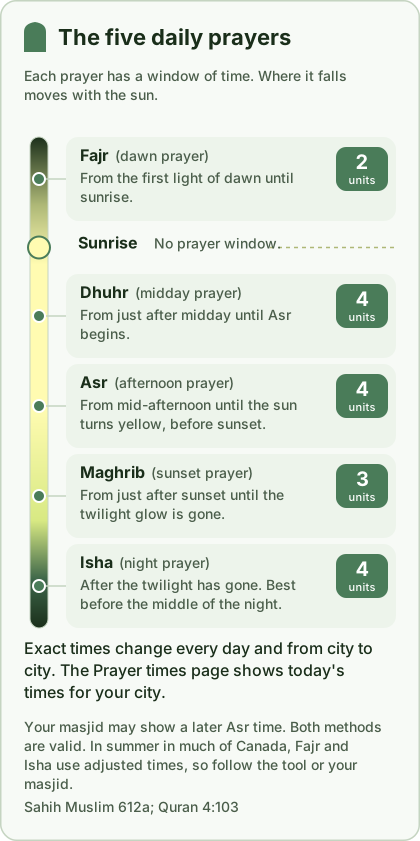
| Утренний намаз (фаджр) | От первого света зари до восхода солнца. | 2 |
| Полуденный намаз (зухр) | Сразу после полудня, когда солнце прошло высшую точку, до начала асра. | 4 |
| Послеполуденный намаз (аср) | С середины второй половины дня до заката. Старайтесь не откладывать его до пожелтения солнца. | 4 |
| Намаз на закате (магриб) | Сразу после заката до исчезновения сумерек. | 3 |
| Ночной намаз (иша) | С исчезновения сумерек до середины ночи. | 4 |
Молиться можно в любой момент внутри промежутка, поэтому точность до минуты не нужна. Мазхабы расходятся в том, когда начинается аср (у ханафитов позже), и в том, до какого времени можно совершить ишу. Летом в большей части Канады для фаджра и иши используют скорректированные правила, поэтому пользуйтесь страницей времени намаза или расписанием местной мечети.
Намазы за годы до принятия ислама не являются вашим долгом. Пророк сказал, что ислам стирает то, что было до него, поэтому вы начинаете с сегодняшнего дня. Некоторые учёные добавляют, что принявший ислам, который ещё не знал об обязательности намаза, тоже не обязан восполнять это время. Если не уверены, как это относится к вам, спросите преподавателя.
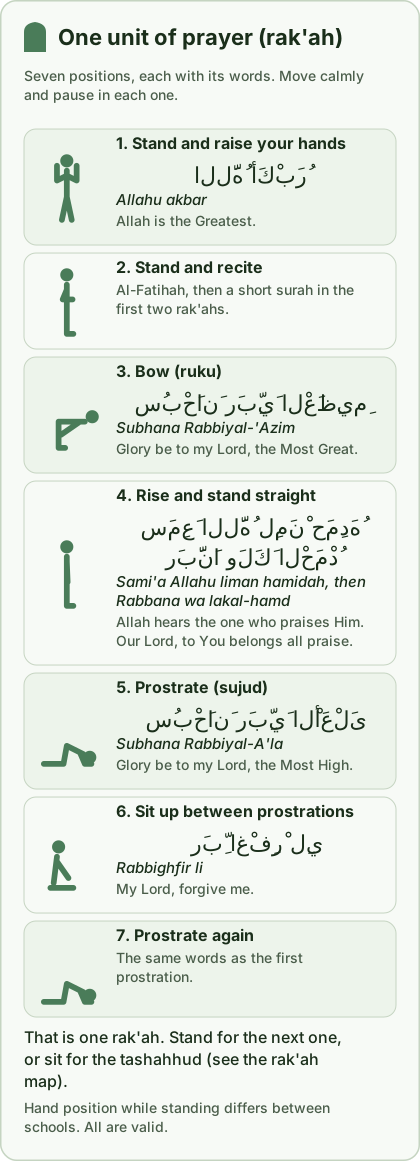
Это схема, а не учитель. Используйте её, чтобы выучить порядок, а затем попросите местного имама или преподавателя один раз посмотреть и поправить вас.
Шаг 1 - Перед намазом
Совершите вуду, найдите чистое место, встаньте лицом к кибле и определите в сердце, какой это намаз. Произносить намерение вслух не нужно.
Шаг 2 - Открывающий такбир
Поднимите руки и скажите «Аллаху акбар». Так начинается намаз, и с этого момента вы оставляете обычные разговоры и вступаете в поклонение.
Шаг 3 - Стояние
Прочитайте аль-Фатиху, затем короткую суру или несколько аятов, которые учите. Если вы пока не можете читать, раздел «Если вы пока не можете читать по-арабски» ниже объясняет, что допускают мазхабы на это время.
Шаг 4 - Руку
Поклонитесь с ровной, устойчивой спиной и произнесите фразу поклона. Выпрямляйтесь со словами «Сами Аллаху ли-ман хамидах», а когда встанете прямо, скажите «Раббана ва ляка ль-хамд». Задержитесь, прежде чем опускаться. Не торопитесь, чтобы поскорее закончить.
Шаг 5 - Суджуд
Опуститесь в земной поклон и произнесите фразу земного поклона. Сядьте и скажите «Рабби-гфир ли», затем совершите второй земной поклон с той же фразой. Дайте каждому положению устояться, прежде чем двигаться дальше.
Шаг 6 - Второй ракаат
Встаньте снова и повторите тот же порядок: аль-Фатиха, короткое чтение, поясной поклон, выпрямление, затем два земных поклона.
Шаг 7 - Ташаххуд
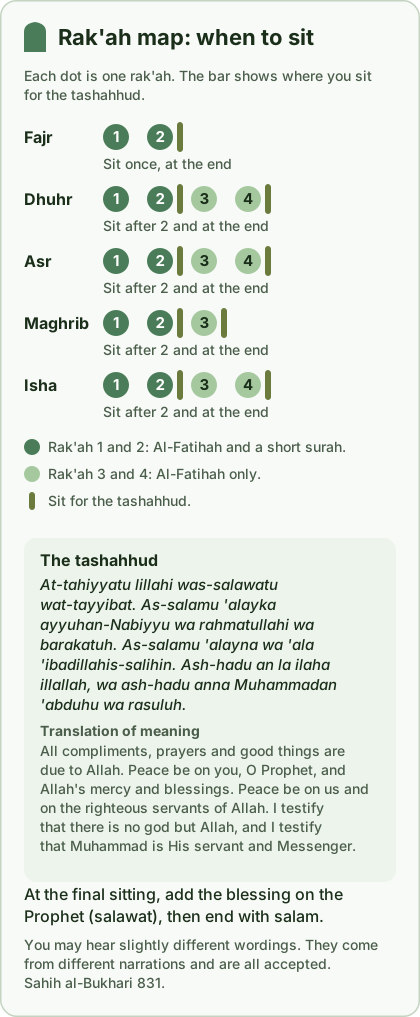
После второго ракаата сядьте и прочитайте ташаххуд. В намазе из двух ракаатов это последнее сидение, поэтому добавьте благословения Пророку (салават) перед салямом. В намазе из трёх или четырёх ракаатов это первое сидение короче, и после него вы снова встаёте. Схема ракаатов ниже показывает, где бывает каждое сидение.
Шаг 8 - Таслим
Поверните голову направо, затем налево, каждый раз произнося приветствие мира. Так заканчивается намаз. Посидите немного, прежде чем встать и вернуться к своим делам.
Если один раз увидеть движения, схему выше будет легче понять. Если у вас всего несколько минут, выберите один намаз из списка под видео.
Перейти к части
Глава об асре короткая, потому что аср совершают так же, как зухр. Видео следует практике одного мазхаба, и небольшие различия между мазхабами нормальны. Субтитры созданы автоматически.
Смотреть на YouTube(откроется в новой вкладке)
Пока вы не нажмёте кнопку воспроизведения, с YouTube ничего не загружается. После этого видео играет в проигрывателе YouTube с улучшенной конфиденциальностью. Если видео не запускается или вы не в сети, воспользуйтесь ссылкой «Смотреть на YouTube». Подробнее в нашей политике конфиденциальности.
На каждой карточке есть арабский текст, транслитерация и смысл. Где текст из Корана, перевод передаёт смысл, чтобы помочь вам понять, а сам Коран — это арабский текст.
Начало намаза
اللَّهُ أَكْبَرُ
Транслитерация
Allahu akbar
Значение
Аллах велик.
Заметка для начинающих
Это первая фраза, которую стоит выучить. Произносите её ясно и без спешки. Акцент придёт сам собой.
Каждый ракаат
بِسْمِ اللَّهِ الرَّحْمَٰنِ الرَّحِيمِ الْحَمْدُ لِلَّهِ رَبِّ الْعَالَمِينَ الرَّحْمَٰنِ الرَّحِيمِ مَالِكِ يَوْمِ الدِّينِ إِيَّاكَ نَعْبُدُ وَإِيَّاكَ نَسْتَعِينُ اهْدِنَا الصِّرَاطَ الْمُسْتَقِيمَ صِرَاطَ الَّذِينَ أَنْعَمْتَ عَلَيْهِمْ غَيْرِ الْمَغْضُوبِ عَلَيْهِمْ وَلَا الضَّالِّينَ
Транслитерация
Bismillahir-Rahmanir-Rahim. Alhamdu lillahi Rabbil-'alamin. Ar-Rahmanir-Rahim. Maliki yawmid-din. Iyyaka na'budu wa iyyaka nasta'in. Ihdinas-siratal-mustaqim. Siratal-ladhina an'amta 'alayhim ghayril-maghdubi 'alayhim wa lad-dallin.
Значение
Перевод смысла: хвала, поклонение и помощь принадлежат Аллаху, и мы просим Его вести нас прямым путём.
Заметка для начинающих
Аль-Фатиха — первая настоящая цель для заучивания. Берите по одной фразе и спросите преподавателя, что читать, пока вы её ещё учите. В коллективном намазе, когда имам заканчивает аль-Фатиху и говорит «Амин» (О Аллах, ответь), говорите «Амин» вместе с ним. Если у вас есть вопросы о том, говорить ли его, когда молитесь в одиночку, спросите преподавателя.
После аль-Фатихи в первых двух ракаатах
قُلْ هُوَ اللَّهُ أَحَدٌ اللَّهُ الصَّمَدُ لَمْ يَلِدْ وَلَمْ يُولَدْ وَلَمْ يَكُن لَّهُ كُفُوًا أَحَدٌ
Транслитерация
Qul huwa Allahu ahad. Allahus-samad. Lam yalid wa lam yulad. Wa lam yakun lahu kufuwan ahad.
Значение
Перевод смысла: Аллах Един, Самодостаточен, не похож на творение, и нет ничего, равного Ему.
Заметка для начинающих
Большинство новичков начинают с неё. Она короткая и в четырёх строках утверждает единство Аллаха.
После аль-Фатихи в первых двух ракаатах
وَالْعَصْرِ إِنَّ الْإِنسَانَ لَفِي خُسْرٍ إِلَّا الَّذِينَ آمَنُوا وَعَمِلُوا الصَّالِحَاتِ وَتَوَاصَوْا بِالْحَقِّ وَتَوَاصَوْا بِالصَّبْرِ
Транслитерация
Wal-'asr. Innal-insana lafi khusr. Illal-ladhina amanu wa 'amilus-salihat, wa tawasaw bil-haqqi wa tawasaw bis-sabr.
Значение
Перевод смысла: люди в убытке, кроме тех, кто уверовал, творит добро и призывает друг друга к истине и терпению.
Заметка для начинающих
Работайте над одной короткой сурой за раз. Если сначала послушать надёжного чтеца, пользы будет больше, чем от спешки с несколькими сурами.
Во время поясного поклона
سُبْحَانَ رَبِّيَ الْعَظِيمِ
Транслитерация
Subhana Rabbiyal-'Azim
Значение
Пречист мой Господь Великий.
Заметка для начинающих
В большинстве руководств учат произносить это три раза. Пока вы учитесь, для начала хватит одного ясного повторения. О подробностях спросите преподавателя.
При выпрямлении после руку
سَمِعَ اللَّهُ لِمَنْ حَمِدَهُ رَبَّنَا وَلَكَ الْحَمْدُ
Транслитерация
Sami'a Allahu liman hamidah. Rabbana wa lakal-hamd.
Значение
Аллах слышит того, кто воздаёт Ему хвалу. Господь наш, Тебе принадлежит вся хвала.
Заметка для начинающих
Первую строку говорите, выпрямляясь, а вторую, когда уже стоите прямо. Вы также услышите «Раббана ляка ль-хамд» без «ва». Оба варианта есть в хадисах.
Во время земного поклона
سُبْحَانَ رَبِّيَ الْأَعْلَى
Транслитерация
Subhana Rabbiyal-A'la
Значение
Пречист мой Господь Всевышний.
Заметка для начинающих
Первые несколько раз суджуд кажется непривычным. Двигайтесь с удобной для тела скоростью, задержитесь внизу и выучите фразу. Медленно не значит плохо.
Между первым и вторым суджудом
رَبِّ اغْفِرْ لِي
Транслитерация
Rabbighfir li
Значение
Господи, прости меня.
Заметка для начинающих
Два слова, и Пророк повторял их. Скажите один-два раза. Более длинный вариант преподаватель может показать позже, если захотите.
Каждое сидение: после второго ракаата и в конце
التَّحِيَّاتُ لِلَّهِ وَالصَّلَوَاتُ وَالطَّيِّبَاتُ السَّلَامُ عَلَيْكَ أَيُّهَا النَّبِيُّ وَرَحْمَةُ اللَّهِ وَبَرَكَاتُهُ السَّلَامُ عَلَيْنَا وَعَلَى عِبَادِ اللَّهِ الصَّالِحِينَ أَشْهَدُ أَنْ لَا إِلَٰهَ إِلَّا اللَّهُ وَأَشْهَدُ أَنَّ مُحَمَّدًا عَبْدُهُ وَرَسُولُهُ
Транслитерация
At-tahiyyatu lillahi was-salawatu wat-tayyibat. As-salamu 'alayka ayyuhan-Nabiyyu wa rahmatullahi wa barakatuh. As-salamu 'alayna wa 'ala 'ibadillahis-salihin. Ash-hadu an la ilaha illallah, wa ash-hadu anna Muhammadan 'abduhu wa rasuluh.
Значение
Все приветствия, молитвы и благие слова принадлежат Аллаху. Мир тебе, о Пророк, и милость Аллаха и Его благословения. Мир нам и праведным рабам Аллаха. Свидетельствую, что нет божества, кроме Аллаха, и свидетельствую, что Мухаммад — Его раб и посланник.
Заметка для начинающих
Это формулировка, переданная Ибн Масудом. Вы можете услышать немного другие формулировки из других достоверных сообщений, поэтому следуйте своему преподавателю. Учите по строчке.
Последнее сидение, после ташаххуда
اللَّهُمَّ صَلِّ عَلَى مُحَمَّدٍ وَعَلَى آلِ مُحَمَّدٍ كَمَا صَلَّيْتَ عَلَى إِبْرَاهِيمَ وَعَلَى آلِ إِبْرَاهِيمَ إِنَّكَ حَمِيدٌ مَجِيدٌ اللَّهُمَّ بَارِكْ عَلَى مُحَمَّدٍ وَعَلَى آلِ مُحَمَّدٍ كَمَا بَارَكْتَ عَلَى إِبْرَاهِيمَ وَعَلَى آلِ إِبْرَاهِيمَ إِنَّكَ حَمِيدٌ مَجِيدٌ
Транслитерация
Allahumma salli 'ala Muhammadin wa 'ala ali Muhammad, kama sallayta 'ala Ibrahima wa 'ala ali Ibrahim, innaka Hamidun Majid. Allahumma barik 'ala Muhammadin wa 'ala ali Muhammad, kama barakta 'ala Ibrahima wa 'ala ali Ibrahim, innaka Hamidun Majid.
Значение
О Аллах, ниспошли Свою милость Мухаммаду и семье Мухаммада, как Ты ниспослал милость Ибрахиму и семье Ибрахима. Воистину, Ты Достохвальный, Славный. О Аллах, ниспошли Свои благословения Мухаммаду и семье Мухаммада, как Ты ниспослал благословения Ибрахиму и семье Ибрахима. Воистину, Ты Достохвальный, Славный.
Заметка для начинающих
Произносите его в последнем сидении, после ташаххуда и перед салямом. Произносят ли его также в первом сидении более длинного намаза, различается в мазхабах, так что спросите преподавателя.
Конец намаза
السَّلَامُ عَلَيْكُمْ وَرَحْمَةُ اللَّهِ
Транслитерация
As-salamu 'alaykum wa rahmatullah
Значение
Мир вам и милость Аллаха.
Заметка для начинающих
Это завершает намаз. Мягко поверните голову в каждую сторону. Большое движение не нужно.
Каждый намаз заканчивается сидением. В намазах из трёх или четырёх ракаатов есть ещё короткое сидение после второго ракаата.
Короткие уроки от Islamwise, проекта для новых мусульман при мечети Green Lane Masjid. В каждом медленно произносится одна фраза и объясняется её смысл.
Смотреть на YouTube(откроется в новой вкладке)
Пока вы не нажмёте кнопку воспроизведения, с YouTube ничего не загружается. После этого видео играет в проигрывателе YouTube с улучшенной конфиденциальностью. Если видео не запускается или вы не в сети, воспользуйтесь ссылкой «Смотреть на YouTube». Подробнее в нашей политике конфиденциальности.
Использовать эти фразы во время учёбы — это одно из мнений мазхабов. Смотрите раздел о намазе до того, как вы сможете читать.
Смотреть на YouTube(откроется в новой вкладке)
Пока вы не нажмёте кнопку воспроизведения, с YouTube ничего не загружается. После этого видео играет в проигрывателе YouTube с улучшенной конфиденциальностью. Если видео не запускается или вы не в сети, воспользуйтесь ссылкой «Смотреть на YouTube». Подробнее в нашей политике конфиденциальности.
29 коротких уроков, по одной фразе, в том числе аль-Фатиха по аятам, ташаххуд и салават.
Открыть серию на YouTubeЭто обзор для начинающих. Подробности различаются в мазхабах и зависят от обстоятельств.
Жизнь порой мешает намазу. Найдите здесь свою ситуацию и сразу переходите к ответу.
Если вы забыли часть намаза, по ошибке что-то добавили или сбились со счёта ракаатов, есть простое исправление: два дополнительных земных поклона, которые называются суджуд ас-сахв, поклон забывчивости. При многих ошибках начинать намаз заново не нужно.
Пока вы новичок, спокойно завершите намаз и потом спросите преподавателя о конкретной ошибке. Никто не ждёт, что в первые месяцы вы будете знать все правила.
Войти в мечеть, когда намаз уже идёт, случается со всеми. Пророк (мир ему) сказал приходить спокойно, совершать то, что застали, и восполнять пропущенное (Sahih al-Bukhari 636).
Попросите местного имама один раз показать вам, как присоединяться с опозданием. Это займёт пять минут и избавит от многих волнений.
Молиться можно почти везде, где чисто. Несколько мелочей в сумке облегчают намаз на работе, на учёбе или в дороге.
Погребальную молитву совершают стоя, за имамом, без поясных и земных поклонов. Она короткая, обычно несколько минут. За присутствие на ней есть награда, а за то, чтобы остаться на погребение, ещё больше (Sahih al-Bukhari 1325).
Если умер кто-то из ваших знакомых, в местной мечети скажут, когда и где будет погребальная молитва.
Если боль, болезнь или инвалидность мешают стоять, кланяться или совершать земной поклон, молитесь так, как позволяет тело. Пророк велел больному сподвижнику молиться стоя, а если не может, сидя, а если не может, лёжа на боку.
Местный имам или преподаватель может один раз посмотреть, как вы молитесь, и помочь подобрать то, что подходит вашему телу. Никогда не нужно превозмогать боль, чтобы намаз засчитался. В больнице молитесь в кровати, как можете, и спросите медсестёр, есть ли в больнице служба духовной поддержки.
Перейти к части
Показывает намаз на полу, на стуле, стоя без поклона и лёжа в постели.
Смотреть на YouTube(откроется в новой вкладке)
Пока вы не нажмёте кнопку воспроизведения, с YouTube ничего не загружается. После этого видео играет в проигрывателе YouTube с улучшенной конфиденциальностью. Если видео не запускается или вы не в сети, воспользуйтесь ссылкой «Смотреть на YouTube». Подробнее в нашей политике конфиденциальности.
Короткая вторая демонстрация, в том числе намаз на стуле в ряду в мечети.
Спокойно завершите намаз, а потом спросите об этой конкретной ошибке. Паника обычно обходится дороже, чем сама ошибка.
Произношение приходит только с повторением. Аллах знает разницу между тем, кто не старается, и тем, кто ещё учится.
Обычно все эти различия допустимы, и ни одно из них не повод перестать молиться. Выучите один надёжный способ для начинающих и посоветуйтесь с преподавателем, прежде чем снова менять.
Замедлитесь, пока каждое положение не станет отдельным. Короткий спокойный намаз учит больше, чем быстрый тревожный.
Это помощник для начинающих. Ссылки проверены. Личные решения о намазе, подробности разных мазхабов, облегчения при инвалидности и необычные ситуации ещё требуют проверки знающим человеком.
Quran.com - Справочник по тексту и переводу Корана
Источник арабского текста аль-Фатихи, используемого в чтении в намазе и в дуа о наставлении. Формулировка — это перевод смысла.
Quran.com - Справочник по тексту и переводу Корана
Используется как пример короткой суры в помощнике по намазу. Формулировка — это перевод смысла.
Quran.com - Справочник по тексту и переводу Корана
Используется как пример короткой суры в помощнике по намазу. Формулировка — это перевод смысла.
Sunnah.com - Сборник хадисов
Приводится для принципа, что намазу учатся по практике, которой учил Пророк, а подробности для начинающих оставлены знающим преподавателям.
New Muslim Guide - Руководство по намазу для начинающих
Приводится для ориентации начинающих в намазе и его порядке, а религиозные решения и личные обстоятельства оставлены знающим преподавателям.
Sunnah.com - Справочник по дуа и зикру
Источник фразы поясного поклона для начинающих в помощнике по намазу.
Sunnah.com - Справочник по дуа и зикру
Источник фразы земного поклона для начинающих в помощнике по намазу.
Sunnah.com - Сборник хадисов
Источник обзора ташаххуда с напоминанием выучить полный текст у знающего преподавателя или по надёжной записи.
Sunnah.com - Сборник хадисов
Источник саляма, который произносят в конце намаза.
SeekersGuidance - Исламское обучение у квалифицированных преподавателей
Приводится там, где руководство останавливается и советует спросить знающего учёного о вашей собственной ситуации.
Green Lane Masjid and Community Centre (Birmingham, UK) - Видео (YouTube)
Полностью показывает фаджр, зухр, магриб и ишу; глава об асре длится 27 секунд и, вероятно, отсылает к зухру. Отметки автора: 1:11 перед намазом, 2:23 пять намазов, 2:47 глоссарий и обзор ракаатов, 3:48 фаджр, 11:27 зухр, 22:31 аср, 22:58 магриб, 32:59 иша. Только автоматические английские субтитры. Следует практике одного мазхаба. Встроено через проигрыватель YouTube с улучшенной конфиденциальностью (youtube-nocookie.com) и загружается только после нажатия кнопки воспроизведения. Стандартная лицензия YouTube; автор разрешает встраивание (проверено 2026-09-23). Права на скачивание или повторную загрузку нет.
Islamwise (new Muslim project with Green Lane Masjid) - Видео (YouTube)
Выпуск 10: каждая фраза одного ракаата, от «Аллаху акбар» до саляма, с полным поминанием. Проверено частично; использование фраз поминания, пока учишь аль-Фатиху, это позиция фикха, требующая проверки. Встроено через проигрыватель YouTube с улучшенной конфиденциальностью (youtube-nocookie.com) и загружается только после нажатия кнопки воспроизведения. Стандартная лицензия YouTube; автор разрешает встраивание (проверено 2026-09-23). Права на скачивание или повторную загрузку нет.
Islamwise (new Muslim project with Green Lane Masjid) - Видео (YouTube)
Выпуск 3: пять фраз (СубханАллах, Альхамдулиллях, Ля иляха илля Ллах, Аллаху акбар, Ля хауля ва ля куввата илля би-Ллях), которые можно говорить в положениях намаза, пока не выучена аль-Фатиха. Это позиция фикха; подробности различаются в мазхабах. Встроено через проигрыватель YouTube с улучшенной конфиденциальностью (youtube-nocookie.com) и загружается только после нажатия кнопки воспроизведения. Стандартная лицензия YouTube; автор разрешает встраивание (проверено 2026-09-23). Права на скачивание или повторную загрузку нет.
Islamwise (new Muslim project with Green Lane Masjid) - Видео (YouTube)
Уроки по фразам о том, что говорится в намазе, аль-Фатиха по аятам (выпуски с 11 по 18), ташаххуд и салават. Описания выпусков ведут на личный плейлист ведущего; пользуйтесь этим плейлистом Islamwise. Проверено частично. Только ссылка, без встраивания. Стандартная лицензия YouTube; права на скачивание или повторную загрузку нет.
Sunnah.com - Сборник хадисов
Выпрямляясь после поклона, Пророк говорил «Сами Аллаху ли-ман хамидах», а затем стоя «Раббана ва ляка ль-хамд» (в сообщении также приводится «Раббана ляка ль-хамд»). В Sahih al-Bukhari.
Sunnah.com - Сборник хадисов
Между двумя земными поклонами Пророк говорил: «Рабби-гфир ли, Рабби-гфир ли». Оценка на Sunnah.com: сахих (Darussalam).
Sunnah.com - Сборник хадисов
«Пречист мой Господь Великий» в поясном поклоне, «Всевышний» в земном и «Господи, прости меня» между земными поклонами. Оценка на Sunnah.com: сахих (аль-Албани).
Sunnah.com - Сборник хадисов
Текст благословений Пророку и его семье, подобно благословениям Ибрахиму и его семье. В Sahih al-Bukhari.
Sunnah.com - Сборник хадисов
Пророк учил: скажи такбир, прочитай то, что знаешь из Корана, кланяйся, пока не успокоишься, выпрямись, соверши земной поклон, пока не успокоишься, сиди, пока не успокоишься. В Sahih al-Bukhari.
Sunnah.com - Сборник хадисов
Более длинное сообщение, в котором назван второй земной поклон каждого ракаата. В Sahih al-Bukhari.
The Islamic Foundation of Ireland - Брошюра для начинающих
Имам Яхья М. аль-Хусейн, предисловие датировано 1999 годом. Число ракаатов и место ташаххуда в каждом намазе (фаджр после 2-го; зухр, аср и иша после 2-го и 4-го; магриб после 2-го и 3-го). Её список того, что нарушает вуду, включает прикосновение к половым органам и не включает кровотечение и рвоту, что не соответствует ханафитскому мнению. Только ссылка; лицензия не указана.
Sunnah.com - Сборник хадисов
Указание Пророка: если сомневаешься, сколько ракаатов совершил, опирайся на то, в чём уверен, и соверши два земных поклона перед салямом. В Sahih Muslim.
Sunnah.com - Сборник хадисов
Совершив по ошибке пять ракаатов, Пророк сделал два земных поклона после саляма. В Sahih al-Bukhari.
SeekersGuidance - Ответ учёного
Шейх доктор Бассем Итани, 26 июня 2024 года. Ханафитский способ поклона забывчивости и то, что его требует. Только ссылка (все права защищены).
NewMuslims.com - Урок
Имам Муфти, 2016 год. Когда совершают поклон забывчивости, способы до и после саляма и то, что молящийся за имамом не совершает его от себя. Только ссылка.
Sunnah.com - Сборник хадисов
Фаджр длится, пока не начнёт восходить солнце; зухр до наступления асра; аср, пока солнце не пожелтеет; магриб, пока не исчезнут сумерки; иша до середины ночи. В Sahih Muslim.
Quran.com - Справочник по Корану
«Совершение намаза предписано верующим в установленное время» (The Clear Quran, перевод смысла).
NewMuslims.com - Урок
Таблица пяти намазов для начинающих с числом ракаатов и временем, включая ишу до середины ночи (при необходимости до рассвета). Чтение на арабском названо условием, что отличается от ханафитского облегчения для того, кто пока не может читать. Только ссылка.
Sunnah.com - Сборник хадисов
Пророк сказал Амру ибн аль-Асу: «Разве ты не знаешь, что ислам стирает все прежние проступки?» В Sahih Muslim.
SeekersGuidance - Ответ учёного
Устаза Шаиста Макбуль, проверено шейхом Фаразом Раббани, 4 сентября 2012 года. Принявший ислам в немусульманской стране не отвечает за намазы за то время, когда он ещё не знал об их обязательности; пропущенные позже намазы восполняют по посильному графику. Ответ в ханафитском контексте; он прямо не говорит о намазах до ислама. Только ссылка.
Sunnah.com - Сборник хадисов
Пророк сказал больному Имрану ибн Хусейну: молись стоя, а если не можешь, сидя, а если не можешь, лёжа на боку. В Sahih al-Bukhari.
SeekersGuidance - Ответ учёного
Устаз Табрез Азам, 8 февраля 2013 года. Когда можно не стоять (неспособность, сильная боль или головокружение, страх вреда), намаз на полу с настоящими земными поклонами, если можете, иначе с движениями головы, и использование стула, если сидеть на полу трудно. Только ссылка.
SeekersGuidance - Ответ учёного
Шейх доктор Мухаммад Абу Бакр Бадхиб, 20 июня 2024 года. Временная и долгая болезнь, намаз на стуле или лёжа лицом к кибле и кивки, при которых земной поклон ниже поясного. Только ссылка.
Green Lane Masjid and Community Centre (Birmingham, UK) - Видео (YouTube)
Показан намаз сидя на полу, на стуле, стоя без поклона и лёжа в постели. Главы YouTube: 1:06 сидя на полу, 2:51 на стуле, 3:35 если невозможно поклониться, 4:39 лёжа в постели. Мазхабы расходятся в подробностях намаза на стуле. Встроено через проигрыватель YouTube с улучшенной конфиденциальностью (youtube-nocookie.com) и загружается только после нажатия кнопки воспроизведения. Стандартная лицензия YouTube; автор разрешает встраивание (проверено 2026-09-23). Права на скачивание или повторную загрузку нет.
Sheikh Assim al-Hakeem (official channel) - Видео (YouTube)
Намаз на стуле, когда нельзя стоять, в одиночку и в ряду в мечети. Проверено частично; мазхабы расходятся в подробностях намаза на стуле. Только ссылка, без встраивания. Стандартная лицензия YouTube; права на скачивание или повторную загрузку нет.
Sunnah.com - Сборник хадисов
Человек сказал, что не может выучить ничего из Корана, и Пророк научил его: СубханАллах, Альхамдулиллях, Ля иляха илля Ллах, Аллаху акбар, Ля хауля ва ля куввата илля би-Ллях. Оценка на Sunnah.com: хасан (аль-Албани).
SeekersGuidance - Ответ учёного
Шейх Юсуф Велч, проверено шейхом Фаразом Раббани, 21 апреля 2024 года. Ханафиты: тот, кто пока не может читать по-арабски, может читать перевод или вместо этого говорить арабские фразы поминания, что названо более осторожным, так как действительно и в ханафитском, и в шафиитском мазхабе. Шафииты: учащийся может читать аль-Фатиху из мусхафа в намазе; перевод не допускается. Маликиты и ханбалиты: чтение на другом языке недействительно. Учите аль-Фатиху постепенно. Только ссылка.
SeekersGuidance - Ответ учёного
Шейх Фараз Раббани, 18 января 2012 года. Ханафиты: держать Коран и читать из него в намазе крайне нежелательно; то, что человек новый мусульманин, уважительная причина, пока он учит аль-Фатиху; выучите короткий аят, например «Куль хуа Ллаху ахад». Только ссылка.
Dar al-Ifta al-Misriyyah - Ответ учёного
3 марта 2015 года. Новый мусульманин, который пока не может читать аль-Фатиху, может вместо этого поминать Аллаха; ссылаются на сообщение Абдуллы ибн Абу Ауфы и Ибн Кудаму (ханбалит). Только ссылка.
Sunnah.com - Сборник хадисов
Тому, кто запинается при чтении Корана и кому оно даётся с трудом, полагается двойная награда. В Sahih Muslim.
Sunnah.com - Сборник хадисов
Sahih al-Bukhari 636 (Абу Хурайра), в Sahih al-Bukhari: услышав икаму, идите на намаз спокойно, совершите с имамом то, что застали, и восполните пропущенное. Основа термина «масбук» (опоздавший).
Sunnah.com - Сборник хадисов
Sunan Abi Dawud 893 (Абу Хурайра): если вы пришли, когда имам в земном поклоне, совершите поклон вместе с ним и не засчитывайте его. В арабском тексте добавлено, что кто застал поясной поклон, тот застал ракаат. Аль-Албани оценил как хасан.
Sunnah.com - Сборник хадисов
Sahih al-Bukhari 780 (Абу Хурайра), в Sahih al-Bukhari: говорите «Амин», когда имам говорит его после аль-Фатихи. Текст о намазе за имамом; он не касается намаза в одиночку и того, насколько громко это говорить.
Sunnah.com - Сборник хадисов
Sahih al-Bukhari 725 (Анас): выравнивайте ряды; сподвижники стояли плечом к плечу и стопой к стопе. Сахих.
Sunnah.com - Сборник хадисов
В Sahih al-Bukhari (сахих). Кто входит в мечеть, пусть совершит два ракаата, прежде чем сесть. Страница не приводит расхождений мазхабов о времени этого намаза.
Sunnah.com - Сборник хадисов
В Sahih Muslim (сахих). Один человек вошёл, когда Пророк произносил пятничную хутбу, и ему велели встать и совершить два ракаата. Учёные расходятся в том, как применять это во время хутбы.
Sunnah.com - Сборник хадисов
Sunan an-Nasa'i 1425 (Абу Хурайра): кто застал ракаат джумы, тот застал её. Darussalam оценил как сахих.
SeekersGuidance - Ответ учёного
Устаз Табрез Азам, проверено шейхом Фаразом Раббани, 15 января 2017 года. Когда имам поднялся на минбар, не молятся и не разговаривают; пятничная молитва засчитана, если присоединиться до последнего салама, и тогда восполняют два ракаата.
SeekersGuidance - Ответ учёного
Шейх доктор Мухаммад Файез Авад, 26 декабря 2024 года. Ракаат засчитан, если застать имама в поясном поклоне (в этом учёные согласны); желательно дождаться обоих саламов, прежде чем вставать; то, что вы совершили с имамом, является первой частью вашего собственного намаза.
SeekersGuidance - Ответ учёного
Отредактировано по Heavenly Ornaments мавляны Ашрафа Али Тханви, 22 августа 2011 года. Пятничная молитва не обязательна для больного, путника, женщины, ребёнка и раба; если путник или женщина пришли на неё, зухр с них снимается; четыре ракаата сунны до и четыре после; когда имам встал для проповеди, не молятся.
SeekersGuidance - Ответ учёного
Шейха Мона Эль-Занкали и Саира Абу Бакр, одобрено шейхом Рами Нсуром, 26 августа 2013 года. Витр единственная подтверждённая ежедневная сунна; два ракаата перед фаджром (рагиба); четыре до и после зухра, четыре перед асром, от двух до шести после магриба; для джума ничего не установлено; когда имам вошёл для проповеди, добровольных намазов не совершают.
Quran.com - Справочник по Корану
Облекайтесь в свои украшения при каждом месте молитвы (аль-Араф 7:31). Приводится для того, чтобы подобающе одеваться на намаз.
Sunnah.com - Сборник хадисов
Sunan Abi Dawud 641 (Аиша): намаз женщины, достигшей зрелости, не принимается без покрытия головы. Аль-Албани оценил как сахих.
Sunnah.com - Сборник хадисов
Sunan Abi Dawud 650 (Абу Саид): Пророк молился в сандалиях и велел людям проверять их на грязь, а затем молиться в них. Аль-Албани оценил как сахих.
Sunnah.com - Сборник хадисов
Sunan Abi Dawud 695, аль-Албани оценил как сахих: когда молитесь лицом к преграде (сутра), держитесь близко к ней.
Quran.com - Справочник по Корану
Обращай лицо в сторону аль-Масджид аль-Харам, где бы вы ни были (аль-Бакара 2:144). Основа для обращения в сторону киблы.
Sunnah.com - Сборник хадисов
Jami at-Tirmidhi 344 (Абу Хурайра): то, что между востоком и западом, есть кибла. Darussalam оценил как сахих. Сказано в Медине; учёные применяют это к тому, кто не видит Каабу, и тогда он обращается в её общем направлении.
Sunnah.com - Сборник хадисов
Sahih Muslim 560a (Аиша): нет намаза, когда подана еда или когда человека теснит естественная нужда. Сахих.
Sunnah.com - Сборник хадисов
Sahih al-Bukhari 1333 (Абу Хурайра): Пророк руководил погребальным намазом по ан-Наджаши, выстроив людей рядами, и произнёс четыре такбира. Сахих.
Sunnah.com - Сборник хадисов
Sahih al-Bukhari 1325 (Абу Хурайра): один кират награды за участие в погребальном намазе и два за то, чтобы остаться до погребения. Сахих.
IslamQA - Ответ учёного
Под руководством шейха Мухаммада Салиха аль-Мунаджжида. Четыре такбира: аль-Фатиха после первого, благословение Пророка после второго, дуа за умершего после третьего, затем четвёртый и салям. Следует одному подходу; другие мазхабы расходятся в подробностях.