아랍어 꾸란
계시된 아랍어 원문이에요. 이 페이지가 구절에 연결할 때, 아랍어가 꾸란이고 나머지는 모두 이해를 돕는 거예요.
입문자 첫걸음
학자 검토 대기 중
실패할까 봐 부담되는 숙제로 만들지 말고 읽고 듣기 시작해 보세요. 짧은 구절, 정직한 번역, 한 번에 질문 하나씩이면 돼요.
부담 속에 길게 읽는 것보다 집중해서 조금 읽는 것이 나아요.
번역은 뜻을 전해 줘요. 꾸란은 아랍어 원문이에요.
어떤 구절이 헷갈리거나 걱정된다면 믿을 수 있는 선생님께 가져가 보세요.
아랍어가 계시된 원문이에요. 번역은 뜻에 다가가게 해 주지만, 여전히 한 사람이 옮긴 것이라서 아랍어에 담긴 것이 다 전해지지는 않아요.
계시된 아랍어 원문이에요. 이 페이지가 구절에 연결할 때, 아랍어가 꾸란이고 나머지는 모두 이해를 돕는 거예요.
뜻을 전해 주는 번역이에요. 이해를 돕지만, 그 자체가 꾸란은 아니에요.
아랍어 소리를 로마자로 적은 것이에요. 연습할 때 편리하지만, 귀는 선생님이나 믿을 만한 낭송자에게서 더 많이 배워요.
구절이 무엇을 뜻하는지, 언제 계시되었는지, 나에게 무엇을 요구하는지에 대한 학문적 설명이에요. 구절이 어렵게 느껴질 때 찾아보세요.
기도하려고 언어 전체를 배울 필요는 없어요. 모든 라카에서 암송하는 장인 알파티하부터 시작해 그 단어와 뜻을 익혀 보세요. 그러는 동안에도 아는 만큼으로 계속 기도하세요.
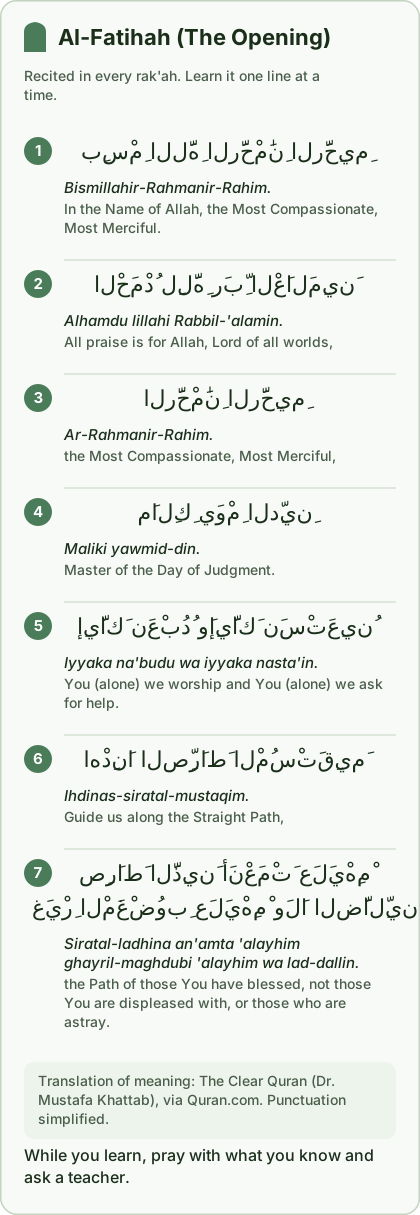
단어마다 발음 표기와 뜻풀이를 달았어요. 번역은 이해를 돕고, 꾸란은 아랍어 원문이에요. 오른쪽에서 왼쪽으로, 하루에 한 줄씩 읽어 보세요.
1절
2절
3절
4절
5절
6절
7절
로마자 표기는 아랍어에서 서로 다른 소리를 같은 글자로 적어요. 아래는 처음 배우는 사람이 가장 어려워하는 소리예요. 철자에 기대지 말고, 소리마다 또렷한 낭송자의 소리를 들어 보세요. 타즈위드 선생님이 예시를 함께 확인해 줄 수 있어요.
배우는 사람은 누구나 실수하고, 예언자께서는 어렵게 더듬으며 낭송하는 사람은 두 배의 상을 받는다고 말씀하셨어요. 샤피이 학파에서는 글자를 잘못 발음하면 그 단어가 무효가 되니, 그 단어를 한 번 바르게 다시 말하면 돼요. 기도 자체는 실수가 뜻을 바꾸고 일부러 한 경우에만 무효가 돼요.
이븐 아비딘을 인용한 하나피 학파 답변은 싸드와 신 같은 글자를 모르고 헷갈려도 기도가 무효가 되지 않으며, 배우는 사람은 계속 적당한 노력을 기울이면 된다고 말해요. 말리키와 한발리 학파의 세부 내용은 선생님께 물어보세요.
한 단어를 몇 번이고 되풀이하거나, 확실하지 않은 글자 하나 때문에 기도 전체를 다시 시작할 필요는 없어요. 그런 종류의 의심(와스와사)은 흘려보내야 할 것이에요.
재생 버튼을 누르기 전에는 YouTube에서 아무것도 불러오지 않아요. 누른 뒤에는 YouTube의 개인정보 보호 강화 플레이어로 재생돼요. 영상이 재생되지 않거나 오프라인이라면 'YouTube에서 보기' 링크를 이용하세요. 자세한 내용은 다음을 참고하세요: 개인정보 처리방침.
Arabic 101은 실시간 강좌도 판매해요. 이 첫 강의는 무료로 볼 수 있어요.
재생 버튼을 누르기 전에는 YouTube에서 아무것도 불러오지 않아요. 누른 뒤에는 YouTube의 개인정보 보호 강화 플레이어로 재생돼요. 영상이 재생되지 않거나 오프라인이라면 'YouTube에서 보기' 링크를 이용하세요. 자세한 내용은 다음을 참고하세요: 개인정보 처리방침.
Quran.com 페이지에서 재생 버튼을 누르면 구절마다 들을 수 있어요. 미샤리 알아파시가 시작하기 좋은 또렷한 낭송자예요.
하루에 알파티하 한 구절, 한 번에 10분이 안 되게, 단어별로 풀어 줘요. 무료이고 계정 없이 읽을 수 있어요.
기도의 모든 문구에 관한 짧은 YouTube 강의예요. 11화부터 18화까지 알파티하를 한 구절씩 다뤄요.
무료 강의는 비용도 계정도 필요 없어요. 사이트에서 유료 일대일 수업도 팔고, 강좌 저자는 밝혀져 있지 않아요.
여기서는 아무것도 저장되거나 추적되지 않아요. 한 가지 순서를 골라 천천히 읽고, 너무 많다 싶기 전에 멈추세요.
기도 연습도 되는 짧은 장부터 시작하세요. 뜻을 천천히 읽고, 한 번 들어 보세요. 발음은 지금은 신경 쓰지 마세요.
부끄러움이나 두려움이 희망보다 크게 느껴질 때 읽어 보세요. 다른 것을 더하기 전에, 알라께서 얼마나 가까이 계시고 얼마나 기꺼이 용서하시는지 이 구절들이 말하는 것을 곱씹어 보세요.
짧게 여러 번
유수프 장을 몇 쪽씩 읽어 보세요. 하나로 이어지는 이야기예요. 그에게 등을 돌린 가족, 오랜 인내, 유혹, 감옥, 그리고 마지막의 용서가 담겨 있어요.
읽기를 기도와 이어 보세요. 이 구절들은 기도의 자리를 알려 줘요. 기억이고, 인도를 구하는 것이고, 인내가 필요할 때 찾아갈 곳이에요.
이것은 실용적으로 읽으세요. 읽은 뒤, 오늘 내가 말하는 방식, 인내, 사람을 대하는 방식에서 무엇이 달라질지 스스로 물어보세요.
인쇄해서 눈에 잘 띄는 곳에 두세요. 진도를 저장하거나 알림을 보내지는 않아요.
1일째
알파티하의 뜻을 읽고 한 번 들어 보세요. 인도에 관한 구절을 하루 동안 마음에 품고 다니세요.
알이클라스, 알팔라끄, 안나스를 읽으세요. 알라께서 한 분이심과 보호를 구하는 것에 대해 무엇을 말하는지 살펴보세요. 오늘은 외우려고 하지 마세요.
3일째
Quran 39:53을 천천히 읽으세요. 그다음 알라의 자비가 나의 상황에 어떤 의미인지 내 말로 한 문장을 적어 보세요.
Quran 2:186과 23:109를 읽으세요. 그다음 내 말로 짧은 두아를 해 보세요.
Quran 20:14를 읽고 알파티하를 다시 들어 보세요. 기도는 먼저 기억이에요. 완벽하게 하는 건 나중 일이에요.
Quran 2:153과 알아스르를 읽으세요. 오늘 인내할 작은 일 하나, 또는 말하지 않는 편이 쉬울 때 진실을 말할 일 하나를 고르세요.
마음에 남은 구절로 돌아가 보세요. 헷갈린 게 있다면 정확한 구절을 적어 믿을 수 있는 선생님께 가져가세요.
캡처 이미지, 짧은 영상, 우연히 마주친 온라인 논쟁으로 질문을 결론짓지 마세요.
그 구절의 앞뒤 구절을 읽고, 믿을 만한 해설을 읽어 보세요.
구절, 무엇이 마음에 걸렸는지, 실제로 무엇을 알고 싶은지 적어 두세요.
선생님, 이맘, 또는 출처를 밝히는 교육 프로그램에 가져가 보세요.
출판사와 선생님을 밝히는 자료를 쓰세요. 출처 없는 인용 이미지와 논쟁 채널은 꾸란을 배우기에 좋은 방법이 아니에요.
이 페이지의 꾸란 참고 구절, 번역 메모, 듣기 안내, 다루는 법에 관한 메모는 확인을 거쳤어요. 내 낭송, 정결, 해석(타프시르)에 관한 질문은 자격을 갖춘 선생님께 물어보세요.
Quran Foundation - 꾸란 원문과 번역 플랫폼
가이드가 꾸란 구절을 연결하는 곳이에요. 아랍어를 읽고, 영어 뜻의 번역을 비교하고, 낭송을 들을 수 있어요.
Tanzil - 검증된 꾸란 원문 프로젝트
검증된 아랍어 꾸란 원문의 참고 자료이고, 원문이 인용되는 곳마다 그 원문을 온전히 지키기 위한 기준이에요.
Dr. Mustafa Khattab / The Clear Quran - 꾸란 뜻의 번역
입문자에게 친절한 영어 번역으로, 번역은 뜻을 전할 뿐 꾸란 자체가 아니라는 일깨움과 함께 인용해요.
Quran.com - 꾸란 원문과 번역 참고 자료
기도 암송과 인도를 구하는 두아에 쓰는 알파티하 아랍어 원문의 출처예요. 영어 문구는 뜻을 옮긴 번역이에요.
Quran.com - 꾸란 원문과 번역 참고 자료
기도 배우기 (살라)에서 짧은 장의 예로 썼어요. 영어 문구는 뜻을 옮긴 번역이에요.
Quran.com - 꾸란 원문과 번역 참고 자료
꾸란 첫걸음의 첫 시간과 짧은 장 읽기 계획에 썼어요. 영어 문구는 뜻을 옮긴 번역이에요.
Quran.com - 꾸란 원문과 번역 참고 자료
꾸란 첫걸음의 첫 시간과 짧은 장 읽기 계획에 썼어요. 영어 문구는 뜻을 옮긴 번역이에요.
Quran.com - 꾸란 원문과 번역 참고 자료
꾸란 첫걸음의 자비와 희망 읽기 순서에 썼어요. 영어 문구는 뜻을 옮긴 번역이에요.
Quran.com - 꾸란 원문과 번역 참고 자료
알라께 직접 두아를 할 수 있다는 일깨움을 위해 인용해요. 가이드의 예시 문구는 전해 내려온 두아로 소개하지 않아요.
Quran.com - 꾸란 원문과 번역 참고 자료
용서와 자비를 구하는 꾸란 두아의 출처예요.
Quran.com - 꾸란 원문과 번역 참고 자료
꾸란 첫걸음의 예언자들과 삶의 목적 읽기 순서에 썼어요. 영어 문구는 뜻을 옮긴 번역이에요.
Quran.com - 꾸란 원문과 번역 참고 자료
꾸란 첫걸음의 기도와 예배 읽기 순서에 썼어요. 영어 문구는 뜻을 옮긴 번역이에요.
Quran.com - 꾸란 원문과 번역 참고 자료
꾸란 첫걸음의 성품, 인내, 예배 읽기 순서에 썼어요. 영어 문구는 뜻을 옮긴 번역이에요.
Quran.com - 꾸란 원문과 번역 참고 자료
기도 배우기 (살라)에서 짧은 장의 예로 썼어요. 영어 문구는 뜻을 옮긴 번역이에요.
Quran.com - 꾸란 낭송 참고 자료
Quran.com의 공식 낭송자 페이지를 통해, 꾸란 듣기 안내를 위해 인용해요.
New Muslim Academy - 새 무슬림을 위한 꾸란 예절 글
꾸란을 존중하며 다루는 것을 위해 인용하며, 정결에 관한 세부 질문은 자격을 갖춘 지역 선생님께 맡겨요.
New Muslim Academy - 새 무슬림 교육
입문자의 학습 순서와 새 무슬림에게 가장 먼저 필요한 실질적인 도움을 위해 인용해요.
SeekersGuidance - 자격을 갖춘 이슬람 교육
가이드가 설명을 멈추고, 나의 상황은 자격을 갖춘 학자에게 물어보라고 안내하는 곳에서 인용해요.
Yaqeen Institute for Islamic Research - 이슬람 연구와 교육
믿음에 관한 질문, 의심, 영성, 입문자의 학습 순서를 위해 인용해요.
Quranic Arabic Corpus (University of Leeds; maintained by the Quran.com team) - 단어별 참고 자료
알파티하의 모든 단어를 아랍어, 발음 표기, 영어 뜻풀이, 문법과 함께 보여 줘요. 이 사이트의 단어 뜻을 확인하는 데 쓰세요. 이용 약관이 있는 GNU 라이선스이며, 뜻풀이를 여기에 복사하지는 않았어요.
Quran.com (Quran.Foundation) - 학습 계획
알파티하를 하루 한 구절씩 익히는 무료 7일 계획으로, 각 강의는 10분이 안 되고 단어별 풀이가 있어요. 강의는 함마드 파힘 샤이크가 맡았어요. 계정 없이 읽을 수 있고, 진도 기록을 위한 계정은 선택 사항이에요.
Islamwise (new Muslim project with Green Lane Masjid) - 영상 (YouTube)
기도에서 말하는 것을 한 구절씩 배우는 강의로, 알파티하를 한 구절씩(11화부터 18화), 타샤후드, 살라와트를 다뤄요. 각 화의 설명은 진행자의 개인 재생 목록으로 연결되니, 이 Islamwise 재생 목록을 이용하세요. 일부만 확인됨. 삽입하지 않고 링크만 걸었어요. YouTube 표준 라이선스이고, 내려받기나 재업로드 권한은 없어요.
Islamwise (new Muslim project with Green Lane Masjid) - 영상 (YouTube)
12화: '알함두 릴라히 랍빌 알라민'과 그 뜻을 가르쳐요. 11화부터 18화까지 같은 방식으로 알파티하를 다뤄요. 일부만 확인됨. YouTube의 개인정보 보호 강화 플레이어(youtube-nocookie.com)로 삽입되며, 재생을 누른 뒤에만 불러와요. YouTube 표준 라이선스이고, 업로더가 삽입을 허용해요(2026-09-23 확인). 내려받기나 재업로드 권한은 없어요.
Madinah Arabic FZE (United Arab Emirates) - 온라인 강좌
아랍어 글자를 배우는 무료 읽기 강의로, 문법과 어휘 목록이 있어요. 무료 강좌는 가입이 필요 없고, 유료 일대일 수업도 판매해요. 확인한 페이지에는 교육 과정 저자의 이름이 없어요.
Arabic 101 (arabic101.org) - 영상 (YouTube)
첫 일곱 글자, 단어 안에서 각 글자가 놓이는 네 가지 자리, 첫 단어 읽기를 다뤄요. Arabic 101은 실시간 수업도 판매해요. YouTube의 개인정보 보호 강화 플레이어(youtube-nocookie.com)로 삽입되며, 재생을 누른 뒤에만 불러와요. YouTube 표준 라이선스이고, 업로더가 삽입을 허용해요(2026-09-23 확인). 내려받기나 재업로드 권한은 없어요.