ধাপ 1
নিয়ত করুন
মনে মনে নিয়ত করুন যে এই ওযু নামাজ পড়ার জন্য। জোরে বলার মতো কোনো বাঁধা বাক্য নেই।
ইবাদত শেখার টুল
আলেমের পর্যালোচনার অপেক্ষায়
নামাজের আগে ধোয়ার একটি সহজ গাইড, প্রিন্ট করার জন্য তৈরি। আগে মূল বিষয়গুলো শিখুন, আর নিজের অবস্থার ওপর নির্ভর করে এমন যেকোনো কিছু যোগ্য শিক্ষকের কাছে নিয়ে যান।
যেখানে যেখানে পানি পৌঁছানো দরকার, সেখানে পৌঁছায়।
আপনি আল্লাহর জন্য ধুচ্ছেন, আতঙ্ক থেকে নয়।
চিকিৎসা, কাজ বা পরিবারের কারণে বিষয়টি জটিল হলে কাউকে জিজ্ঞেস করেন।
খুব কম মানুষ এটি ব্যাখ্যা করেন, আর সামনাসামনি জিজ্ঞেস করতেও অস্বস্তি লাগে। টয়লেট ব্যবহারের পর মুসলিমরা লজ্জাস্থান পরিষ্কার করেন, আর এই পরিষ্কার হওয়া (ইস্তিঞ্জা) ওযু থেকে আলাদা একটি ধাপ। নবী (সা.) এর জন্য পানি ব্যবহার করতেন (Sahih al-Bukhari 150), আর একটি হাদিস শরীরে প্রস্রাব লাগার ব্যাপারে অসাবধানতাকে গুরুতর বিষয় মনে করে (Sahih al-Bukhari 218)।
প্রতিবন্ধকতা বা কোনো চিকিৎসা যন্ত্রের কারণে এটি কঠিন হলে কীভাবে সামলাবেন তা একজন স্থানীয় ইমামকে জিজ্ঞেস করুন।
ওযু হলো নামাজের আগে সাধারণত করা আংশিক ধোয়া। Quran 5:6 জানায় কোন অঙ্গ ধুতে হয় আর কোনগুলো মাসেহ করতে হয়, আর নতুনদের গাইডগুলো ব্যবহারিক ক্রমটা বুঝিয়ে দেয়।
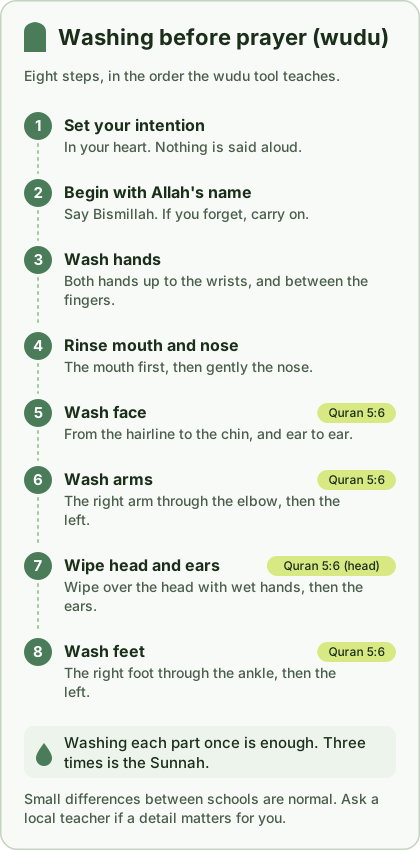
ধাপ 1
মনে মনে নিয়ত করুন যে এই ওযু নামাজ পড়ার জন্য। জোরে বলার মতো কোনো বাঁধা বাক্য নেই।
ধাপ 2
মনে থাকলে বিসমিল্লাহ বলুন। ভুলে গেলে চালিয়ে যান। আবার শুরু করার দরকার নেই।
ধাপ 3
দুই হাত কবজি পর্যন্ত ধোন, আঙুলের ফাঁকে পানি পৌঁছেছে কি না খেয়াল রেখে।
ধাপ 4
কুলি করুন, তারপর আলতো করে নাক পরিষ্কার করুন। যতটা পানি আরামদায়ক আর নিরাপদ, ততটাই ব্যবহার করুন।
ধাপ 5
চুলের গোড়া থেকে থুতনি পর্যন্ত আর এক কান থেকে আরেক কান পর্যন্ত মুখ ধোন।
ধাপ 6
ডান হাত কনুইসহ ধোন, তারপর বাঁ হাত কনুইসহ।
ধাপ 7
ভেজা হাতে মাথা মাসেহ করুন। নতুনদের বেশিরভাগ গাইডে একবার কানও মাসেহ করতে বলা হয়।
ধাপ 8
ডান পা গোড়ালিসহ ধোন, তারপর বাঁ পা গোড়ালিসহ।
এই ভিডিওর শুরুতে পেছনে সংগীত আছে, আর কোনো ইংরেজি কথা নেই। এতে একটি পদ্ধতি দেখানো হয়েছে; ছোট খুঁটিনাটি মাযহাবভেদে আলাদা।
YouTube-এ দেখুন(নতুন ট্যাবে খোলে)
আপনি প্লে না চাপা পর্যন্ত YouTube থেকে কিছুই লোড হয় না। তারপর ভিডিওটি YouTube-এর গোপনীয়তা বাড়ানো প্লেয়ারে চলে। ভিডিও না চললে বা আপনি অফলাইনে থাকলে YouTube-এ দেখুন লিংকটি ব্যবহার করুন। আরও জানতে দেখুন আমাদের গোপনীয়তা নীতি.
গোসল হলো পুরো শরীর ধোয়া। শালীন আর সহজ রাখুন: নিয়ত করুন, যা পরিষ্কার করা দরকার তা পরিষ্কার করুন, আর নিশ্চিত হোন যে পানি পুরো শরীরে পৌঁছেছে।
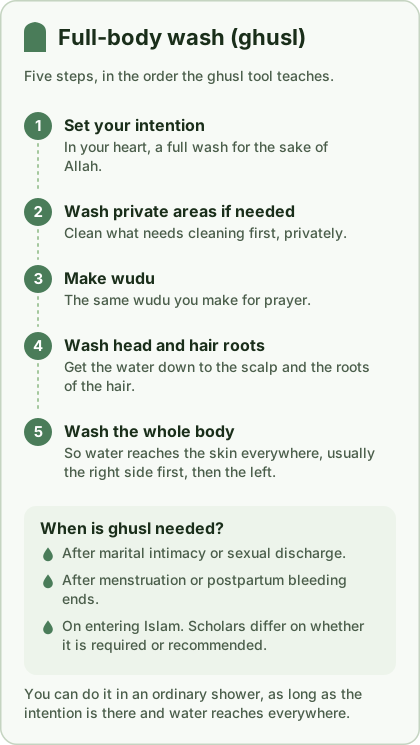
ধাপ 1
মনে মনে আল্লাহর জন্য পুরো শরীর ধোয়ার নিয়ত করুন। ন্যূনতম হলো পানি পুরো শরীরে পৌঁছানো, চুলের গোড়াসহ।
ধাপ 2
এগোনোর আগে যা পরিষ্কার করা দরকার তা একান্তে আগে পরিষ্কার করুন।
ধাপ 3
গোসলের অংশ হিসেবে ওযু করুন। পরে ওযু ভেঙে গেলে নামাজের আগে আবার করুন।
ধাপ 4
যতটা পারেন মাথার চামড়া আর চুলের গোড়া পর্যন্ত পানি পৌঁছান। শক্ত করে বেণি করা চুলের নারীকে বেণি খুলতে হবে না: মাথায় তিনবার পানি ঢালুন যাতে গোড়া পর্যন্ত পৌঁছায় (Sahih Muslim 330a, যার একটি বর্ণনায় মাসিকের পরের গোসলের কথাও আছে)। এক্সটেনশন, লক্স, উইগ, আঠা দিয়ে লাগানো চুল বা চিকিৎসার ব্যান্ডেজ থাকলে একজন যোগ্য মানুষকে জিজ্ঞেস করুন।
ধাপ 5
পুরো শরীর এমনভাবে ধোন যাতে সব জায়গায় ত্বকে পানি পৌঁছায়, সাধারণত আগে ডান দিক, তারপর বাঁ দিক।
একটি সহজ পদ্ধতি আর পূর্ণ সুন্নাহ পদ্ধতি দেখানো হয়েছে। গোসলে কুলি করা আর নাকে পানি দেওয়া আবশ্যক কি না, তা নিয়ে মাযহাবগুলোর মতভেদ আছে।
YouTube-এ দেখুন(নতুন ট্যাবে খোলে)
আপনি প্লে না চাপা পর্যন্ত YouTube থেকে কিছুই লোড হয় না। তারপর ভিডিওটি YouTube-এর গোপনীয়তা বাড়ানো প্লেয়ারে চলে। ভিডিও না চললে বা আপনি অফলাইনে থাকলে YouTube-এ দেখুন লিংকটি ব্যবহার করুন। আরও জানতে দেখুন আমাদের গোপনীয়তা নীতি.
আমরা যে সূত্রগুলো দেখেছি তার কোনোটিই চার মাযহাব পাশাপাশি তুলনা করে না। এর কোনোটি আপনার প্রায়ই হলে স্থানীয় একজন শিক্ষককে জিজ্ঞেস করুন আপনি কোন মত মানেন।
যখন পানি ব্যবহার করতে পারেন না, কারণ পানি নেই, বা আপনি অসুস্থ বা আহত আর পানিতে ক্ষতি হবে, তখন তায়াম্মুম নামে একটি শুকনো বিকল্প আছে। অসুস্থ, ভ্রমণে থাকা বা পানি না পাওয়া মানুষদের জন্য কুরআন এর অনুমতি দিয়েছে।
একটি পদ্ধতিতে একবার হাত মেরে কবজি পর্যন্ত হাত মাসেহ করা হয়, যেমন Sahih al-Bukhari 338-এ। হানাফি পদ্ধতিতে দুবার হাত মারা হয়: একবার মুখের জন্য, আর দ্বিতীয়বার কনুইসহ দুই হাত মাসেহের জন্য।
ব্যবহার করা যায় এমন পানি পেলে, আর যা কিছু ওযু ভাঙে বা গোসল আবশ্যক করে তাতে তায়াম্মুম শেষ হয়।
কোনো অসুখ বা আঘাত কিছুদিন আপনাকে পানি থেকে দূরে রাখলে প্রতিদিন কীভাবে সামলাবেন, স্থানীয় একজন শিক্ষককে জিজ্ঞেস করুন।
কোনো অংশে চলে যান
অংশগুলোর নাম YouTube থেকে আসে আর সবার কাছে না-ও দেখা যেতে পারে, তবে লাফিয়ে যাওয়ার লিংকগুলো কাজ করে।
YouTube-এ দেখুন(নতুন ট্যাবে খোলে)
আপনি প্লে না চাপা পর্যন্ত YouTube থেকে কিছুই লোড হয় না। তারপর ভিডিওটি YouTube-এর গোপনীয়তা বাড়ানো প্লেয়ারে চলে। ভিডিও না চললে বা আপনি অফলাইনে থাকলে YouTube-এ দেখুন লিংকটি ব্যবহার করুন। আরও জানতে দেখুন আমাদের গোপনীয়তা নীতি.
কিছু গোসল বাধ্যতামূলক নয়, মুস্তাহাব। সবচেয়ে পরিচিত হলো জুমার নামাজের আগের গোসল আর প্রতি ঈদের সকালের গোসল।
আপনার শরীর, কাপড় আর যে জায়গায় নামাজ পড়েন তা প্রস্রাব, মল বা রক্তের মতো অপবিত্রতা থেকে মুক্ত থাকা উচিত। যুক্তিসংগতভাবে যতটা সম্ভব বস্তুটি, তার রং আর গন্ধ চলে না যাওয়া পর্যন্ত ধুয়ে ফেলুন।
কিছু অবস্থা বারবার ওযু ভেঙে দেয়: IBS-এ বারবার বায়ু বের হওয়া, প্রস্রাব চুইয়ে পড়া, মাসিকের বাইরে রক্তপাত, বা স্টোমা বা ক্যাথেটার। নামাজ পড়তে থাকুন। যে নারীর রক্তপাত থামছিল না, তাকে নামাজ চালিয়ে যেতে আর প্রতি নামাজের জন্য ওযু করতে বলা হয়েছিল (Sahih al-Bukhari 228)।
একবার একজন ইমামকে আপনার অবস্থার ধরন বর্ণনা করে নিজের পরিস্থিতির জন্য একটি স্পষ্ট উত্তর নিন। আপনাকে কয়েক মিনিট পরপর আবার ওযু করতে বলা হচ্ছে না।
অনেক আলেম শর্তসাপেক্ষে চামড়ার মোজা (খুফ) বা উপযুক্ত মোজার ওপর মাসেহের অনুমতি দেন। মোজা পুরো ওযুর পরে পরতে হবে, আর অনুমতি থাকে বাড়িতে এক দিন এক রাত, ভ্রমণে তিন দিন তিন রাত। গোসলে তবুও পা ধুতে হবে। কোন মোজা গণ্য হবে তা নিয়ে মাযহাবগুলোর মতভেদ আছে। আমাদের দেওয়া হানাফি উত্তরে, মোজা এতটা মজবুত হতে হবে যে ছেঁড়া ছাড়া প্রায় 3.5 মাইল (5.5 কিমি) হাঁটা যায়, আর ভেতর দিয়ে পানি চুঁইয়ে যাবে না, তাই সাধারণ পোশাকি মোজা সাধারণত চলে না, আর হাইকিং মোজা প্রায়ই চলে। অন্য শিক্ষায় সাধারণ মোজারও অনুমতি আছে। আপনার কমিউনিটি কোন মত মানে, স্থানীয় ইমামকে জিজ্ঞেস করুন।
সাধারণ নেইলপলিশ নখে পানি পৌঁছাতে দেয় না, তাই এর ওপর করা ওযু গণ্য হয় না। আগে ওযু করে তারপর পলিশ লাগালে সেই ওযুতে নামাজ পড়তে পারেন। পরের ওযুর আগে পলিশ তুলে ফেলুন। নির্দিষ্ট কোনো পণ্য নিয়ে নিশ্চিত না হলে স্থানীয় একজন শিক্ষককে জিজ্ঞেস করুন।
আমাদের দেওয়া হানাফি উত্তরে বলা হয়েছে: পারলে আহত অংশ ধুয়ে নিন; না পারলে ভেজা হাতে মাসেহ করুন; তাতে ক্ষতি হলে ব্যান্ডেজের বেশিরভাগ অংশের ওপর মাসেহ করুন; আর তাতেও ক্ষতি হলে অংশটি বাদ দিন। শাফেয়ি মাযহাবও প্লাস্টারের ওপর মাসেহ করে, তবে সেই অঙ্গের জন্য তায়াম্মুম যোগ করে, আর কিছু ক্ষেত্রে পরে নামাজ আবার পড়তে হয়। অতীত অভিজ্ঞতা, স্পষ্ট লক্ষণ বা বিশ্বস্ত ডাক্তারের পরামর্শ ক্ষতি বিচারে সাহায্য করে। আপনার নিজের অবস্থা নিয়ে দয়া করে স্থানীয় একজন ইমামকে জিজ্ঞেস করুন।
আমরা যে হানাফি উত্তরের লিংক দিয়েছি তাতে মাথার অন্তত এক-চতুর্থাংশ সরাসরি মাসেহ করতে হয়, আর স্কার্ফের ওপর মাসেহ গণ্য হয় না। একটি বাস্তব উপায় হলো একটি আলাদা স্টলে স্কার্ফের সামনের অংশ একটু ঢিলা করে নিচে ভেজা হাত ঢুকিয়ে দেওয়া। হাম্বলি মাযহাব থুতনির নিচ দিয়ে পেঁচানো স্কার্ফের ওপর মাসেহের অনুমতি দেয়, যদি ওযু অবস্থায় তা পরে থাকেন, এক দিন এক রাতের জন্য (সফরে তিন)। SeekersGuidance-এর একটি উত্তর বলে, এ ক্ষেত্রে হাম্বলি মত মানতে পারেন, যদি আপনার ওযু আর নামাজ দুটোই সেই মাযহাবে সহিহ হয়। ঘরে ওযু করে তা ধরে রাখা, আর পায়ের জন্য উপযুক্ত মোজার ওপর মাসেহ করা, এগুলোও কাজের জায়গায় ধোয়ার পরিমাণ কমায়। কোন বিকল্প আপনার জন্য মানানসই তা শিক্ষককে জিজ্ঞেস করুন।
Sahih Muslim-এর একটি হাদিস (258) বলে, গোঁফ ছাঁটা, নখ কাটা আর বগল ও নাভির নিচের লোম পরিষ্কার করা চল্লিশ রাতের বেশি ফেলে রাখা উচিত নয়। সপ্তাহে একটি পরিচ্ছন্নতার দিন, প্রায়ই শুক্রবার, রাখলে এর মধ্যে ভালোভাবেই থাকবেন। শালীনতা বিষয়ক পৃষ্ঠায় এই পরিচ্ছন্নতার অভ্যাস (ফিতরাহ) আর দাড়ি নিয়ে মাযহাবগুলোর পার্থক্য আলোচনা করা আছে।
মনোযোগ দিয়ে ধাপগুলো একবার করুন, তারপর থামুন। দুশ্চিন্তা থেকে বারবার করলে পবিত্রতা এমন কিছুতে পরিণত হয় যা আপনাকে ক্লান্ত করে দেয়।
কিছুই ভুল হয়নি। আগে জরুরি বিষয়গুলো শিখুন, তারপর একজন শিক্ষককে জিজ্ঞেস করুন আপনার মাযহাবে কোন অংশগুলো আবশ্যক।
ছাড়গুলো নিয়ে একজন যোগ্য মানুষকে জিজ্ঞেস করুন, যেমন ব্যান্ডেজের ওপর মাসেহ বা তায়াম্মুম। ইসলাম আপনাকে নিজের স্বাস্থ্য খারাপ করতে বলে না।
নতুনদের জন্য একটি নির্ভরযোগ্য পদ্ধতি বেছে নিয়ে ঠিকভাবে শিখুন। শিক্ষকদের মধ্যে ছোট পার্থক্য মানে আপনার ইবাদত নষ্ট নয়।
ওযু আর নামাজ ঠিকভাবে করতে চাওয়া একটি ভালো লক্ষণ। কিছু মানুষের ক্ষেত্রে সেই যত্ন এমন সংশয়ে পরিণত হয় যা ছাড়ে না: একটি হাত পাঁচবার ধোয়া, নামাজ নতুন করে শুরু করা, বা আল্লাহকে নিয়ে এমন চিন্তা যা আপনি ঘৃণা করেন অথচ থামাতে পারেন না। একে প্রায়ই ওয়াসওয়াসা (কুমন্ত্রণা) বলা হয়। নবী (সা.) এর জন্য স্পষ্ট নির্দেশনা দিয়েছেন। যখন এটি কারও পুরো দিন দখল করে নেয়, তখন এটি অবসেসিভ-কম্পালসিভ ডিসঅর্ডার (OCD)-এর একটি রূপও হতে পারে, যার চিকিৎসা আছে।
নামাজে বায়ু বের হয়েছে বলে মনে করা এক ব্যক্তিকে নবী (সা.) বলেছিলেন, শব্দ না শুনলে বা গন্ধ না পেলে নামাজ ছেড়ে না যেতে (Sahih al-Bukhari 137)। আলেমরা এ থেকে একটি সাধারণ নিয়ম নেন: সন্দেহ দিয়ে নিশ্চিত বিষয় দূর হয় না। ওযু করেছেন আর তা ভেঙেছে কিনা নিশ্চিত না হলে, তা ভাঙেনি।
কয়েকজন সাহাবি নবী (সা.)-কে বলেছিলেন, তাদের এমন চিন্তা আসে যা মুখে আনা ভয়ংকর। তিনি বললেন, "এটাই তো স্পষ্ট ঈমান" (Sahih Muslim 132a)। আরেকজন বলেছিলেন, নিজের চিন্তা মুখে আনার চেয়ে পুড়ে কয়লা হয়ে যাওয়া তাঁর কাছে ভালো, আর নবী (সা.) আল্লাহর প্রশংসা করলেন, যিনি শয়তানের চক্রান্তকে কুমন্ত্রণায় সীমাবদ্ধ করে দিয়েছেন (Sunan Abi Dawud 5112, আল-আলবানি একে সহিহ বলেছেন)।
নবী (সা.) বলেছেন, মানুষের মনে যে খারাপ চিন্তা আসে, তারা তাতে কাজ না করলে বা মুখে না বললে আল্লাহ তা উপেক্ষা করেছেন (Sahih al-Bukhari 5269)। Yaqeen Institute-এর জন্য লেখা কানাডার গবেষক ড. জিবরান খোখার অনাকাঙ্ক্ষিত অনুপ্রবেশকারী চিন্তার ক্ষেত্রে এই হাদিসটি উল্লেখ করেন।
সন্দেহ দিয়ে নিশ্চিত বিষয় দূর হয় না, এই নিয়ম সব মাযহাবেই শেখানো হয়। খুঁটিনাটি আলাদা, যেমন ওযুর মধ্যে সন্দেহ আর ওযুর পরে সন্দেহ, বা কত রাকাত পড়েছেন তা নিয়ে সন্দেহ। আমরা যে উত্তরের লিংক দিয়েছি তা হানাফি মাযহাবের, তাই আপনার নিজের মাযহাবের খুঁটিনাটি শিক্ষককে জিজ্ঞেস করুন।
নামাজে গণনা ভুলে গেলে: ভুলের সিজদা (সিজদায়ে সাহু)কানাডার সবচেয়ে বড় মানসিক স্বাস্থ্য শিক্ষা হাসপাতাল CAMH বলে, প্রতি 40 জন প্রাপ্তবয়স্কের মধ্যে প্রায় 1 জনের OCD আছে। সাধারণ অবসেশনের মধ্যে আছে বারবার সন্দেহ করা আর ধর্মনিন্দামূলক চিন্তা আসার ভয়। সাধারণ কম্পালশনের মধ্যে আছে অতিরিক্ত ধোয়া, বারবার যাচাই করা আর মনে মনে আচারের মতো কিছু করা, যেমন দোয়া। চিকিৎসা সাধারণত কগনিটিভ বিহেভিয়ারাল থেরাপি (CBT), প্রায়ই ওষুধের সাথে।
নাজওয়া আওয়াদ লেখেন, ওয়াসওয়াসা "মুসলিমদের কোনো রোগ নয়", বরং মুসলিমদের মধ্যে OCD-র একটি ধর্মীয় রূপ। তিনি বলেন, এক্সপোজার অ্যান্ড রেসপন্স প্রিভেনশন (ERP) নামের CBT-র একটি রূপ বেশ কার্যকর বলে দেখা গেছে, আর একজন ইমাম আর একজন চিকিৎসক একসাথে কাজ করতে পারেন। ড. খোখার লেখেন, একজন যোগ্য পেশাদারের কাছে যাওয়া দুর্বল ঈমানের লক্ষণ নয়, বরং আরোগ্যের একটি উপায়।
এই লক্ষণগুলো মোটামুটি একটি দিকনির্দেশনা, রোগনির্ণয় নয়, আর বিচার করার সঠিক মানুষ একজন চিকিৎসক। CAMH OCD-কে এমন অবসেশন আর কম্পালশন হিসেবে বর্ণনা করে যা প্রতিদিনের জীবনে বাধা দেয়।
মানসিক স্বাস্থ্য সহায়তা আর কোথা থেকে শুরু করবেনএটি নতুনদের টুল। পবিত্রতার কিছু খুঁটিনাটি মাযহাবভেদে আলাদা, আর নিজের অবস্থা স্থানীয় যোগ্য ইমাম বা আলেমের সাথে আলোচনা করে নেওয়া ভালো।
Quran Foundation - কুরআনের পাঠ ও অনুবাদের প্ল্যাটফর্ম
গাইডে কুরআনের আয়াতের লিংক যেখানে দেওয়া হয়, যাতে আরবি পড়তে, অর্থের একটি ইংরেজি অনুবাদ মিলিয়ে দেখতে আর তিলাওয়াত শুনতে পারেন।
New Muslim Guide - পবিত্রতার গাইড
নতুনদের জন্য ওযুর ক্রম আর গোসলের সংক্ষিপ্ত ধারণার জন্য উল্লেখ করা হয়েছে, সূক্ষ্ম খুঁটিনাটি যোগ্য শিক্ষকের জন্য রেখে।
New Muslim Guide - পবিত্রতার গাইড
ছোট আর বড় আনুষ্ঠানিক অপবিত্রতার পার্থক্যের জন্য উল্লেখ করা হয়েছে, গাইডকে বিস্তারিত ফিকহের বই না বানিয়ে।
SeekersGuidance - যোগ্য শিক্ষকদের ইসলামি শিক্ষা
যেখানে গাইড থেমে যায় আর আপনার নিজের অবস্থা নিয়ে একজন যোগ্য আলেমকে জিজ্ঞেস করতে বলে, সেখানে উল্লেখ করা হয়েছে।
Green Lane Masjid and Community Centre (Birmingham, UK) - ভিডিও (YouTube)
কোনো ইংরেজি কথা ছাড়া ওযুর একটি দৃশ্যমান প্রদর্শনী। আংশিক যাচাইকৃত: বিষয়বস্তুর বর্ণনা স্বয়ংক্রিয় সাবটাইটেলের ওপর নির্ভর করে। সাবটাইটেল অনুযায়ী শুরুতে পেছনে সংগীত আছে। YouTube-এর গোপনীয়তা বাড়ানো প্লেয়ারের (youtube-nocookie.com) মাধ্যমে বসানো, আর প্লে চাপার পরেই লোড হয়। YouTube Standard Licence; আপলোডকারী বসানোর অনুমতি দেন (যাচাই 2026-09-23)। ডাউনলোড বা আবার আপলোডের অধিকার নেই।
Green Lane Masjid and Community Centre (Birmingham, UK) - ভিডিও (YouTube)
কখন গোসল (পুরো শরীর ধোয়া) দরকার, একটি সহজ পদ্ধতি আর পূর্ণ সুন্নাহ পদ্ধতি। YouTube অংশ: 0:00 পরিচিতি, 0:10 কারণ, 0:45 সহজ পদ্ধতি, 1:19 নবী (সা.)-এর পদ্ধতি, 2:47 উপসংহার। গোসলে কুলি করা আর নাকে পানি দেওয়া আবশ্যক কি না, তা নিয়ে মাযহাবগুলোর মতভেদ আছে। YouTube-এর গোপনীয়তা বাড়ানো প্লেয়ারের (youtube-nocookie.com) মাধ্যমে বসানো, আর প্লে চাপার পরেই লোড হয়। YouTube Standard Licence; আপলোডকারী বসানোর অনুমতি দেন (যাচাই 2026-09-23)। ডাউনলোড বা আবার আপলোডের অধিকার নেই।
Sunnah.com - হাদিসের সূত্র
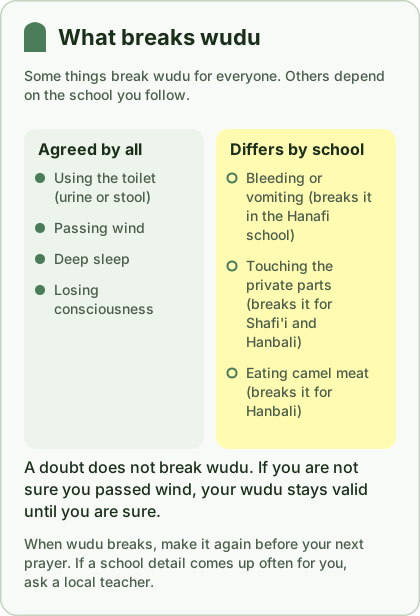
যে ব্যক্তি প্রস্রাব, পায়খানা বা বায়ু ত্যাগ করেন, ওযু না করা পর্যন্ত তার নামাজ কবুল হয় না। Sahih al-Bukhari-তে।
Sunnah.com - হাদিসের সূত্র
যিনি ঘুমান তিনি ওযু করবেন। Sunnah.com-এ মান হাসান (আল-আলবানি)।
Sunnah.com - হাদিসের সূত্র
যার মনে হয় নামাজে বায়ু বের হয়েছে, তিনি শব্দ না শোনা বা গন্ধ না পাওয়া পর্যন্ত নামাজ ছাড়বেন না। Sahih al-Bukhari-তে।
SeekersGuidance - আলেমের উত্তর
শায়খ ফারাজ রব্বানি, 11 ফেব্রুয়ারি 2024। হানাফি তালিকা: সামনের বা পেছনের পথ দিয়ে কিছু বের হওয়া, মুখভর্তি বমি, মুখ থেকে লালার সমান বা বেশি রক্ত, দৃঢ়ভাবে না বসে ঘুমানো, জ্ঞান হারানো, আর রুকু ও সিজদাওয়ালা নামাজে প্রাপ্তবয়স্কের শব্দ করে হাসা। শুধু লিংক দেওয়া।
The Islamic Foundation of Ireland - নতুনদের পুস্তিকা
ইমাম ইয়াহইয়া এম. আল-হুসাইন, ভূমিকার তারিখ 1999। প্রতিটি নামাজের রাকাত সংখ্যা আর তাশাহহুদ কোথায় আসে (ফজরে 2য় রাকাতের পরে; যোহর, আসর আর এশায় 2য় ও 4র্থ রাকাতের পরে; মাগরিবে 2য় ও 3য় রাকাতের পরে)। এর ওযু ভাঙার তালিকায় লজ্জাস্থান স্পর্শ আছে, কিন্তু রক্তপাত আর বমি নেই, যা হানাফি মত নয়। শুধু লিংক দেওয়া; কোনো লাইসেন্স উল্লেখ নেই।
Sunnah.com - হাদিসের সূত্র
কায়েস ইবনে আসিম মুসলিম হলে নবী (সা.) তাকে পানি আর কুলগাছের পাতা দিয়ে গোসল করতে বলেছিলেন। Sunnah.com-এ মান সহিহ (আল-আলবানি)।
MuslimMatters.org (Shaykh Abdullah Hasan) - আলেমের উত্তর
13 ফেব্রুয়ারি 2017। তিনটি মত: সব ক্ষেত্রে আবশ্যক (মালিকি আর হাম্বলি), আবশ্যক নয় (কিছু হানাফি আলেম), আর নির্ভরযোগ্য হানাফি ও শাফেয়ি মত: ব্যক্তি গোসল ফরজ হওয়ার অবস্থায় থাকলে আবশ্যক, নইলে মুস্তাহাব। একটি অনলাইন পত্রিকার লেখা, ফতোয়া প্রতিষ্ঠান নয়। শুধু লিংক দেওয়া।
IslamWeb (Fatwa Centre) - আলেমের উত্তর
3 অক্টোবর 2010। ইসলাম গ্রহণ বৈধ হওয়ার জন্য গোসল শর্ত নয়; দৃঢ় বিশ্বাসে দুটি সাক্ষ্যই যথেষ্ট। প্রধান মতে ইসলাম গ্রহণের সময় গোসলকে মুস্তাহাব বলা হয়েছে। শুধু লিংক দেওয়া।
Quran.com - কুরআনের সূত্র
পূর্ণ অপবিত্র অবস্থায় গোসল না করা পর্যন্ত নামাজের কাছে যেয়ো না; অসুস্থ হলে, সফরে থাকলে বা পানি না পেলে পরিষ্কার মাটি ব্যবহার করো।
Quran.com - কুরআনের সূত্র
তোমাদের মুখ আর কনুই পর্যন্ত হাত ধোও, মাথা মাসেহ করো, আর গোড়ালি পর্যন্ত পা ধোও; পূর্ণ অপবিত্রতার পরে গোসল করো; অসুস্থ হলে, সফরে থাকলে বা পানি না পেলে পরিষ্কার মাটি ব্যবহার করো।
Sunnah.com - হাদিসের সূত্র
আম্মার (রা.)-এর বর্ণনা: হাত দিয়ে মাটিতে আঘাত করুন, তাতে ফুঁ দিন, তারপর মুখ আর হাত মাসেহ করুন। Sahih al-Bukhari-তে।
NewMuslims.com - পাঠ
ইমাম মুফতি, 2012। কখন তায়াম্মুম অনুমোদিত, এক আঘাতে মুখ আর কবজি পর্যন্ত হাত মাসেহের পদ্ধতি, বৈধ উপরিতল, আর কীসে তা শেষ হয় (পানি পাওয়া, বা ওযু ভাঙে বা গোসল ফরজ করে এমন কিছু)। শুধু লিংক দেওয়া।
SeekersGuidance - আলেমের উত্তর
উস্তাদ তাবরেজ আজম, যাচাই করেছেন শায়খ ফারাজ রব্বানি, 15 ডিসেম্বর 2013। হানাফি পদ্ধতি: দুটি আঘাত, মুখ, তারপর কনুইসহ দুই হাত। শুধু লিংক দেওয়া।
Green Lane Masjid and Community Centre (Birmingham, UK) - ভিডিও (YouTube)
তায়াম্মুমের (শুকনো পবিত্রতা) ধাপ, কখন অনুমোদিত, কীসে শেষ হয় আর কোন উপকরণ বৈধ। একবার না দুবার হাত মারা আর হাত কতদূর মাসেহ করা হবে, তা নিয়ে মাযহাবগুলোর মতভেদ আছে। YouTube-এর গোপনীয়তা বাড়ানো প্লেয়ারের (youtube-nocookie.com) মাধ্যমে বসানো, আর প্লে চাপার পরেই লোড হয়। YouTube Standard Licence; আপলোডকারী বসানোর অনুমতি দেন (যাচাই 2026-09-23)। ডাউনলোড বা আবার আপলোডের অধিকার নেই।
SeekersGuidance - আলেমের উত্তর
উস্তাদ তাবরেজ আজম, যাচাই করেছেন শায়খ ফারাজ রব্বানি, 30 অক্টোবর 2014। জুতা বা মোজা পরে না ছিঁড়ে প্রায় 3.5 মাইল হাঁটা গেলে আর পানি ভেতরে না ঢুকলে তার ওপর মাসেহ করা যায়; সাধারণ মোজা সাধারণত এতে টেকে না, হাইকিং মোজা প্রায়ই টেকে। শুধু লিংক দেওয়া।
SeekersGuidance - আলেমের উত্তর
উস্তাদা শায়েস্তা মকবুল, যাচাই করেছেন শায়খ ফারাজ রব্বানি, 11 জুলাই 2014। নেইল পলিশ নখে পানি পৌঁছাতে দেয় না, তাই তার ওপর ওযু বৈধ নয়; পলিশ লাগানোর আগের ওযুতে পড়া নামাজ বৈধ; পরের ওযুর আগে তা তুলে ফেলুন। শুধু লিংক দেওয়া।
SeekersGuidance - আলেমের উত্তর
উস্তাদ তাবরেজ আজম, যাচাই করেছেন শায়খ ফারাজ রব্বানি, 13 মে 2016। পারলে জায়গাটি ধুয়ে নিন; না পারলে মাসেহ করুন; তাও না পারলে ব্যান্ডেজের বেশিরভাগ অংশ মাসেহ করুন; তাতেও ক্ষতি হলে ছেড়ে দিন। ক্ষতি বিচার হয় আগের অভিজ্ঞতা, স্পষ্ট লক্ষণ, বা দক্ষ ও বিশ্বস্ত মুসলিম ডাক্তারের মাধ্যমে। শুধু লিংক দেওয়া।
SeekersGuidance - আলেমের উত্তর
উস্তাদ শুআইব অ্যালি, 18 ফেব্রুয়ারি 2015। যা পারেন ধুয়ে নিন, প্লাস্টারের ওপর পানি দিয়ে মাসেহ করুন, আর ঢাকা অংশের বদলে তায়াম্মুম করুন; নামাজ আবার পড়তে হবে কি না তা নির্ভর করে প্লাস্টার কোথায় আর তা পবিত্র অবস্থায় লাগানো হয়েছিল কি না তার ওপর। শুধু লিংক দেওয়া।
NewMuslims.com - পাঠ
ইমাম মুফতি, 2011। কখন গোসল (পুরো শরীর ধোয়া) দরকার; সর্বনিম্ন হলো পুরো শরীরে পানি পৌঁছানো; পূর্ণ সুন্নাহ পদ্ধতি ধাপে ধাপে। শুধু লিংক দেওয়া।
Sunnah.com - হাদিসের সূত্র
Sahih Muslim 132a, Sahih Muslim-এ আছে (সহিহ)। যার জন্য উল্লেখ: মুখে আনতে ভয় লাগে এমন গুরুতর চিন্তায় কষ্ট পাওয়া সাহাবিদের বলা হয়েছিল, 'এটাই স্পষ্ট ঈমান'; এমন চিন্তা ঈমানের লক্ষণ, ঈমান হারানোর নয় (ঈমানের অধ্যায়, ওয়াসওয়াসা বিষয়ক পরিচ্ছেদ)।
Sunnah.com - হাদিসের সূত্র
Sunan Abi Dawud 5112 (Book 43, Hadith 340), Sunnah.com-এ আল-আলবানির মতে সহিহ। এক ব্যক্তি বললেন, নিজের চিন্তা মুখে আনার চেয়ে পুড়ে কয়লা হয়ে যাওয়াও তার কাছে ভালো; নবী (সা.) বললেন 'আল্লাহু আকবার', আর আল্লাহর প্রশংসা করলেন যিনি শয়তানের চক্রান্তকে শুধু কুমন্ত্রণায় সীমিত করেছেন।
Sunnah.com - হাদিসের সূত্র
Sahih al-Bukhari 5269 (Book 68, Hadith 19): মানুষের মনে যে খারাপ চিন্তা আসে, তা অনুযায়ী কাজ না করা বা মুখে না বলা পর্যন্ত আল্লাহ তা ক্ষমা করে দিয়েছেন। এটি তালাকের অধ্যায়ে আছে। খোখারের মতোই শুধু অনাকাঙ্ক্ষিত চিন্তার জন্য উল্লেখ করা হয়েছে, আত্মহত্যার চিন্তার জন্য কখনোই নয়।
SeekersGuidance - আলেমের উত্তর (হানাফি)
শায়খ ফারাজ রব্বানি, 17 সেপ্টেম্বর 2010। পাঁচটি মূলনীতিসহ একটি হানাফি উত্তর: সন্দেহে নিশ্চয়তা দূর হয় না, নিশ্চয়তা দূর হয় কেবল নিশ্চয়তা দিয়ে, সন্দেহের কোনো শরয়ি গুরুত্ব নেই, আর ভিত্তিহীন কুমন্ত্রণার পেছনে চলা নিন্দনীয়। মূলনীতিটি সব মাযহাবেই আছে, তবে এই উত্তর হানাফি মাযহাবের পক্ষ থেকে বলা।
Yaqeen Institute - ইসলামি গবেষণা ও শিক্ষা
ড. জিবরান খোখারের লেখা, Yaqeen Senior Fellow আর Western University-র Canada Research Chair (গবেষক, চিকিৎসক নন), প্রকাশিত 13 আগস্ট 2026। বলা হয়েছে, অনাকাঙ্ক্ষিত চিন্তা গুনাহ নয় (Muslim 132a, Bukhari 5269 আর Muslim 127 উদ্ধৃত করে); কুমন্ত্রণা বিশ্লেষণ না করে তা সরিয়ে দিতে, আল্লাহর আশ্রয় চাইতে আর response prevention অনুশীলন করতে পরামর্শ দেয়; আর বলে যে যোগ্য মানসিক স্বাস্থ্য পেশাদারের সাহায্য নেওয়া 'দুর্বল ঈমানের লক্ষণ নয়, বরং আরোগ্যের একটি উপায়।'
Yaqeen Institute - ইসলামি গবেষণা ও শিক্ষা
নাজওয়া আওয়াদের লেখা, সাইকোথেরাপিস্ট, প্রকাশিত 19 জুলাই 2017, হালনাগাদ 22 জুলাই 2024। বলা হয়েছে, ওয়াসওয়াসা 'মুসলিমদের কোনো রোগ নয়', বরং মুসলিমদের মধ্যে OCD-র একটি ধর্মীয় রূপ; exposure and response prevention (ERP) বেশ কার্যকর বলে প্রমাণিত; ইমাম আর চিকিৎসকদের একসাথে কাজ করা উচিত; আর ইমামদের উচিত একই প্রশ্নের উত্তর বারবার না দিয়ে এই নীতি শেখানো যে সন্দেহ নিশ্চয়তাকে বাতিল করে না, কারণ বারবার আশ্বাস দিলে বাধ্যতামূলক আচরণ আরও বাড়ে।
Centre for Addiction and Mental Health (CAMH) - জনস্বাস্থ্য বিষয়ক তথ্য
CAMH, টরন্টো। যা সমর্থন করে: OCD-র সাধারণ অবসেশনের মধ্যে আছে 'ধর্মীয় ছবি আর চিন্তায় ডুবে থাকা বা কুফরি চিন্তা আসার ভয়' আর বারবার সন্দেহ করা; কম্পালশনের মধ্যে আছে মনে মনে করা আচার, যেমন দোয়া করা; চিকিৎসায় আদর্শভাবে কাউন্সেলিং (বেশিরভাগ সময় কগনিটিভ বিহেভিয়েরাল থেরাপি) আর ওষুধ একসাথে দেওয়া হয়। পাতায় পর্যালোচনার তারিখ দেখানো নেই।
Sunnah.com - হাদিসের সূত্র
Sahih al-Bukhari 150 (আনাস ইবনে মালিক রা.), Sahih al-Bukhari-তে আছে: নবী (সা.) প্রাকৃতিক প্রয়োজনে গেলে তাঁর জন্য এক পাত্র পানি নেওয়া হতো, যাতে তিনি ধুতে পারেন। টয়লেটের পরে পরিষ্কার হওয়া (ইস্তিঞ্জা) নিয়ে গ্লসারির এন্ট্রির ভিত্তি।
Sunnah.com - হাদিসের সূত্র
Sahih al-Bukhari 218 (ইবনে আব্বাস রা.): কবরে শাস্তি পাওয়া দুজনের একজন কখনো নিজেকে প্রস্রাব থেকে পরিষ্কার রাখত না। সহিহ। টয়লেটের পরে পরিষ্কার হওয়া কেন গুরুত্বপূর্ণ তা কোমলভাবে বোঝাতে ব্যবহৃত।
Sunnah.com - হাদিসের সূত্র
Sahih Muslim 262a (সালমান রা.): নবী (সা.) নিষেধ করেছেন প্রাকৃতিক প্রয়োজনের সময় কিবলার দিকে মুখ করতে, ডান হাতে পরিষ্কার করতে, তিনটির কম পাথর দিয়ে পরিষ্কার করতে, আর গোবর বা হাড় ব্যবহার করতে। সহিহ।
SeekersGuidance - আলেমের উত্তর
শায়খ ফারাজ রব্বানি, 18 অক্টোবর 2011। প্রথমে টিস্যু তারপর পানি সবচেয়ে ভালো; শুধু মুছে নিলেও সুন্নাহ আদায় হয়; নাপাকি যদি বের হওয়ার পথ আর তার আশপাশ ছাড়িয়ে যায়, তবে ধোয়া আবশ্যক।
SeekersGuidance - আলেমের উত্তর
শায়খ ইউসুফ ওয়েলচ, যাচাই করেছেন শায়খ ফারাজ রব্বানি, 27 জুলাই 2022। নাপাকি বের হওয়ার পথ ছাড়িয়ে না ছড়ালে শুধু টয়লেট পেপারেই মৌলিক সুন্নাহ আদায় হয়; ধুয়ে নেওয়া উত্তম।
SeekersGuidance - আলেমের উত্তর
মাওলানা ইলিয়াস প্যাটেল, 5 সেপ্টেম্বর 2023। ঠিকমতো পরিষ্কার হওয়ার পর সন্দেহ উপেক্ষা করতে হবে; ভিত্তিহীন সন্দেহ অনুযায়ী কাজ করা নিন্দনীয়; OCD আর মনের কুমন্ত্রণা (ওয়াসওয়াসা) নিয়ে পড়ার দিকে ইঙ্গিত দেয়।
Sunnah.com - হাদিসের সূত্র
Sahih al-Bukhari 877 (ইবনে উমর রা.): যে জুমার নামাজে আসবে, সে যেন গোসল করে। সহিহ।
Sunnah.com - হাদিসের সূত্র
Sahih al-Bukhari 879 (আবু সাঈদ রা.): প্রত্যেক প্রাপ্তবয়স্ক পুরুষের জন্য জুমার গোসল আবশ্যক। সহিহ। এই কড়া শব্দটি আলেমরা ভিন্ন ভিন্নভাবে বোঝেন।
Sunnah.com - হাদিসের সূত্র
Sunan Abi Dawud 354 (সামুরা রা.): যে জুমার দিনে ওযু করে সে ভালো করল, আর যে গোসল করে, তার গোসল উত্তম। আল-আলবানি হাসান হিসেবে মূল্যায়ন করেছেন।
SeekersGuidance - আলেমের উত্তর
সালমান ইউনুস, যাচাই করেছেন শায়খ ফারাজ রব্বানি, 15 মে 2010। নির্ভরযোগ্য মত: জুমার গোসল নামাজের জন্য সুন্নাহ; প্রয়োজনে, যেমন যারা জুমার দিনে কাজ করেন, তারা এই মত অনুসরণ করতে পারেন যে এটি দিনের জন্য সুন্নাহ।
SeekersGuidance - আলেমের উত্তর
উস্তাদা নাইলাহ আকবারালি, 12 মে 2021। ঈদের সুন্নাহগুলোর মধ্যে আছে গোসল আর সবচেয়ে ভালো পোশাক; ঈদুল ফিতরের নামাজের আগে খাওয়া আর ঈদুল আজহায় খাওয়া দেরি করা; প্রতি রাকাতে হাত তুলে তিনটি অতিরিক্ত তাকবির (দ্বিতীয় রাকাতে কিরাতের পরে); নামাজের পরে দুটি ছোট খুতবা; সুস্থ মস্তিষ্ক, প্রাপ্তবয়স্ক, মুকিম, সুস্থ পুরুষদের জন্য ওয়াজিব।
Sunnah.com - হাদিসের সূত্র
Sahih Muslim 330a (উম্মে সালামা রা.): গোসলের জন্য শক্ত করে বেণি করা চুল খুলতে হবে না; মাথায় তিন আঁজলা পানি ঢাললেই যথেষ্ট। সহিহ। Muslim 330b-এ যোগ করা হয়েছে যে একটি বর্ণনায় সহবাসের পরের গোসলের পাশাপাশি মাসিকের পরের গোসলেরও উল্লেখ আছে।
Quran.com - কুরআনের সূত্র
'আর তোমার পোশাক পবিত্র রাখো' (Al-Muddaththir 74:4)। ইবাদতের জন্য কাপড় পরিষ্কার রাখার ভিত্তি।
SeekersGuidance - আলেমের উত্তর
শায়খ ইরশাদ সেদিক, 24 সেপ্টেম্বর 2023। শাফেয়ি: কঠিন নাপাকি (কুকুর, শূকর) সাতবার ধুতে হয়, একবার মাটি দিয়ে; হালকা নাপাকির (দুই বছরের কম বয়সী, শুধু দুধ খাওয়া ছেলেশিশুর প্রস্রাব) ওপর পানি ছিটালেই হয়; অন্য নাপাকি ধুতে হয় যতক্ষণ না যথাসম্ভব তার বস্তু, রং আর গন্ধ চলে যায়।
Sunnah.com - হাদিসের সূত্র
Sahih al-Bukhari 228 (আয়েশা রা., ফাতিমা বিনতে আবি হুবাইশ সম্পর্কে): মাসিকের সময়ের বাইরের রক্তক্ষরণ মাসিক নয়; নামাজ চালিয়ে যাও আর প্রতি নামাজের জন্য ওযু করো। সহিহ।
SeekersGuidance - আলেমের উত্তর
যা সমর্থন করে: হানাফি মতে মাজুর ব্যক্তির ওযু নামাজের সময় শেষ হওয়া পর্যন্ত থাকে।
SeekersGuidance - আলেমের উত্তর
উস্তাদ তাবরেজ আজম, 31 অক্টোবর 2015। মাথার এক-চতুর্থাংশ মাসেহ করা ফরজ; হিজাবের ওপর মাসেহ করলে তা গণ্য হয় না।
SeekersGuidance - আলেমের উত্তর
মাওলানা ইলিয়াস প্যাটেল, 21 ফেব্রুয়ারি 2023। হাম্বলি: ওযুর পরে পরা, থুতনির নিচ দিয়ে জড়ানো স্কার্ফের ওপর একজন নারী এক দিন (মুসাফির হলে তিন দিন) মাসেহ করতে পারেন; এ বিষয়ে হাম্বলি মাযহাব অনুসরণ করা যায়, যদি সেই মাযহাবে ওযু আর নামাজ দুটোই সহিহ হয়।
Sunnah.com - হাদিসের সূত্র
Sahih Muslim-এ। যার জন্য উল্লেখ: গোঁফ ছাঁটা, নখ কাটা, বগলের লোম তোলা আর নাভির নিচের লোম কামানোর জন্য একটি সময়সীমা ঠিক করে দেওয়া হয়েছিল, যেন তা চল্লিশ রাতের বেশি ফেলে রাখা না হয়।