ধাপ 1 - নামাজের আগে
শান্তভাবে প্রস্তুত হোন
ওযু করুন, পরিষ্কার একটি জায়গা খুঁজুন, কিবলার দিকে মুখ করুন, আর মনে মনে ঠিক করুন এটি কোন নামাজ। নিয়ত জোরে বলার দরকার নেই।
ইবাদত শেখার টুল
আলেমের পর্যালোচনার অপেক্ষায়
দুই রাকাতের একটি সহজ নামাজ শান্তভাবে ধাপে ধাপে, নতুনদের যে তিলাওয়াত লাগে তা সহ, আর কখন গিয়ে কাউকে জিজ্ঞেস করবেন তার সৎ নোট।
শব্দগুলো শিখতে শিখতেই আন্তরিকভাবে নামাজ পড়ুন।
প্রতিটি খুঁটিনাটির পেছনে ছোটার আগে নামাজের গঠনটা আয়ত্ত করুন।
আপনার নিজের অবস্থার ওপর নির্ভর করে এমন যেকোনো বিষয় যোগ্য ইমামকে জিজ্ঞেস করুন।
| নামাজ | সময়সীমা | রাকাত |
|---|---|---|
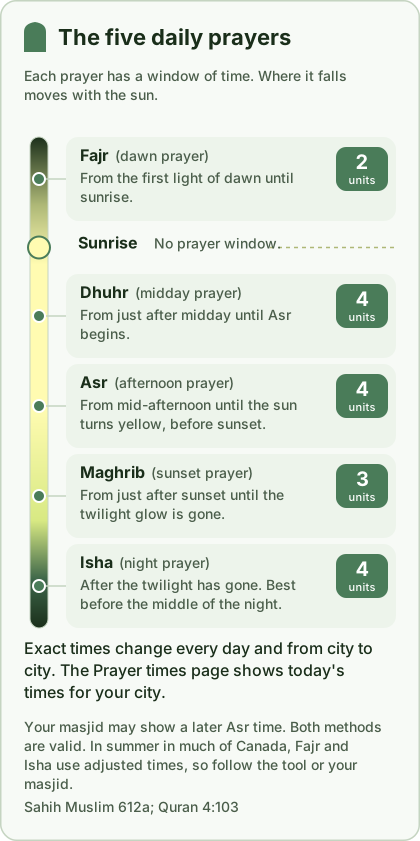
| ভোরের নামাজ (ফজর) | ভোরের প্রথম আলো থেকে সূর্যোদয় পর্যন্ত। | 2 |
| দুপুরের নামাজ (যোহর) | দুপুরের ঠিক পরে, সূর্য সর্বোচ্চ বিন্দু পেরোলে, আসর শুরু হওয়া পর্যন্ত। | 4 |
| বিকেলের নামাজ (আসর) | বিকেলের মাঝামাঝি থেকে সূর্যাস্ত পর্যন্ত। সূর্য হলদে হয়ে যাওয়া পর্যন্ত রেখে না দেওয়ার চেষ্টা করুন। | 4 |
| সূর্যাস্তের নামাজ (মাগরিব) | সূর্যাস্তের ঠিক পর থেকে সন্ধ্যার আলো মিলিয়ে যাওয়া পর্যন্ত। | 3 |
| রাতের নামাজ (এশা) | সন্ধ্যার আলো মিলিয়ে যাওয়া থেকে মধ্যরাত পর্যন্ত। | 4 |
সময়সীমার ভেতরে যেকোনো সময় নামাজ পড়তে পারেন, তাই মিনিট ধরে নিখুঁত হওয়ার দরকার নেই। আসর কখন শুরু হয় (হানাফি মতে পরে) আর এশার শেষ সময় নিয়ে মাযহাবগুলোর মতভেদ আছে। গ্রীষ্মে কানাডার অনেক জায়গায় ফজর আর এশার জন্য সমন্বয় করা নিয়ম ব্যবহার হয়, তাই নামাজের সময় পৃষ্ঠা বা স্থানীয় মসজিদের সময়সূচি ব্যবহার করুন।
মুসলিম হওয়ার আগের বছরগুলোর নামাজ আপনার ওপর বাকি নেই। নবী (সা.) বলেছেন, ইসলাম আগের সবকিছু মুছে দেয়, তাই আপনি আজ থেকে শুরু করছেন। কিছু আলেম যোগ করেন, যে নতুন মুসলিম তখনো জানতেন না নামাজ ফরজ, তাকে সেই সময়ের নামাজও কাজা করতে হয় না। আপনার ক্ষেত্রে এটি কীভাবে খাটে নিশ্চিত না হলে একজন শিক্ষককে জিজ্ঞেস করুন।
এটি একটি নকশা, শিক্ষক নয়। এটি দিয়ে ক্রমটা শিখুন, তারপর স্থানীয় কোনো ইমাম বা শিক্ষককে একবার দেখে ভুল শুধরে দিতে বলুন।
ধাপ 1 - নামাজের আগে
ওযু করুন, পরিষ্কার একটি জায়গা খুঁজুন, কিবলার দিকে মুখ করুন, আর মনে মনে ঠিক করুন এটি কোন নামাজ। নিয়ত জোরে বলার দরকার নেই।
ধাপ 2 - শুরুর তাকবির
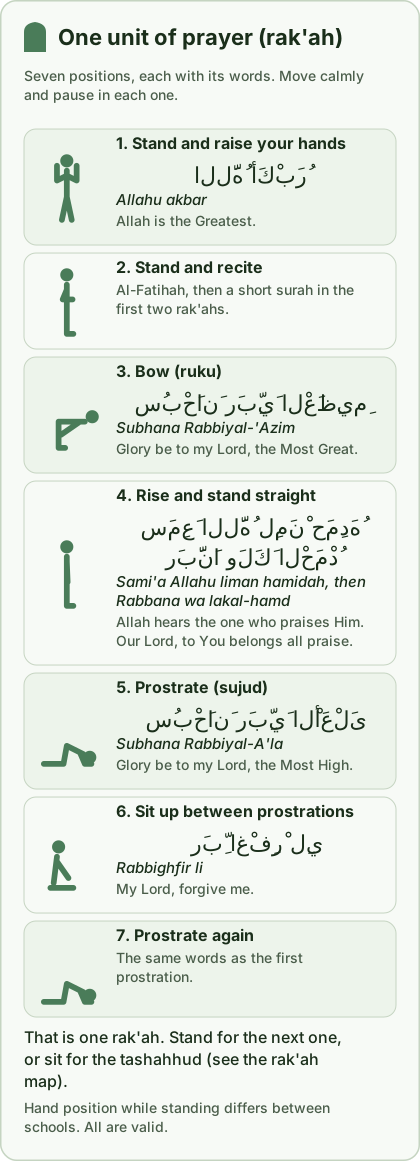
হাত তুলুন আর বলুন আল্লাহু আকবার। এতে নামাজ শুরু হয়, আর তখন থেকে আপনি সাধারণ কথাবার্তা ছেড়ে ইবাদতে প্রবেশ করেছেন।
ধাপ 3 - দাঁড়ানো অবস্থা
সূরা আল-ফাতিহা পড়ুন, তারপর একটি ছোট সূরা বা যে কয়েকটি আয়াত শিখছেন। এখনো পড়তে না পারলে নিচের 'এখনো আরবি পড়তে না পারলে' অংশে মাঝের সময়ে মাযহাবগুলো কী অনুমতি দেয় তা ব্যাখ্যা করা আছে।
ধাপ 4 - রুকু
পিঠ সমান আর স্থির রেখে ঝুঁকুন আর রুকুর বাক্যটি বলুন। ওঠার সময় বলুন সামিআল্লাহু লিমান হামিদাহ, আর সোজা হয়ে দাঁড়ানোর পর বলুন রাব্বানা ওয়া লাকাল হামদ। নিচে যাওয়ার আগে একটু থামুন। শেষ করার তাড়ায় এটি তাড়াহুড়া করে সারবেন না।
ধাপ 5 - সিজদা
সিজদায় যান আর সিজদার বাক্যটি বলুন। উঠে বসে বলুন রাব্বিগফির লি, তারপর একই বাক্যসহ দ্বিতীয়বার সিজদা করুন। পরের অবস্থায় যাওয়ার আগে প্রতিটি অবস্থায় স্থির হোন।
ধাপ 6 - দ্বিতীয় রাকাত
আবার দাঁড়িয়ে একই গঠন পুনরাবৃত্তি করুন: সূরা আল-ফাতিহা, একটি ছোট তিলাওয়াত, রুকু, আবার দাঁড়ানো, তারপর দুটি সিজদা।
ধাপ 7 - তাশাহহুদ
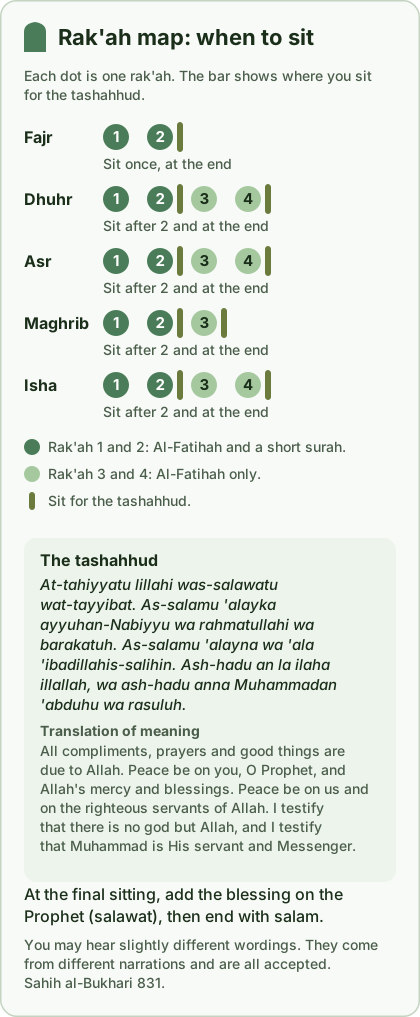
দ্বিতীয় রাকাতের পরে বসে তাশাহহুদ পড়ুন। দুই রাকাতের নামাজে এটিই শেষ বৈঠক, তাই সালামের আগে নবী (সা.)-এর ওপর দরুদ যোগ করুন। তিন বা চার রাকাতের নামাজে এই প্রথম বৈঠক ছোট হয়, আর এরপর আবার দাঁড়ান। নিচের রাকাতের নকশায় দেখানো আছে প্রতিটি বৈঠক কোথায় পড়ে।
ধাপ 8 - সালাম ফেরানো
মাথা ডানে, তারপর বাঁয়ে ঘোরান, প্রতিবার শান্তির সালাম দিয়ে। এতে নামাজ শেষ হয়। উঠে দিনের কাজে ফেরার আগে একটু বসে থাকুন।
নড়াচড়াগুলো একবার দেখলে ওপরের নকশা বোঝা সহজ হয়। কয়েক মিনিট সময় থাকলে ভিডিওর নিচের তালিকা থেকে একটি নামাজ বেছে নিন।
কোনো অংশে চলে যান
আসরের অংশটি ছোট, কারণ আসর যোহরের মতোই পড়া হয়। ভিডিওটি একটি মাযহাবের পদ্ধতি অনুসরণ করে, আর মাযহাবগুলোর মধ্যে ছোট পার্থক্য স্বাভাবিক। সাবটাইটেল স্বয়ংক্রিয়ভাবে তৈরি।
YouTube-এ দেখুন(নতুন ট্যাবে খোলে)
আপনি প্লে না চাপা পর্যন্ত YouTube থেকে কিছুই লোড হয় না। তারপর ভিডিওটি YouTube-এর গোপনীয়তা বাড়ানো প্লেয়ারে চলে। ভিডিও না চললে বা আপনি অফলাইনে থাকলে YouTube-এ দেখুন লিংকটি ব্যবহার করুন। আরও জানতে দেখুন আমাদের গোপনীয়তা নীতি.
প্রতিটি কার্ডে আরবি, উচ্চারণ আর অর্থ আছে। যেখানে পাঠটি কুরআন, সেখানে অনুবাদ অর্থ বুঝতে সাহায্যের জন্য, আর আরবিটাই কুরআন।
নামাজের শুরুতে
اللَّهُ أَكْبَرُ
উচ্চারণ
Allahu akbar
অর্থ
আল্লাহ সবচেয়ে মহান।
নতুনদের জন্য নোট
এটিই শেখার প্রথম বাক্য। তাড়াহুড়া না করে স্পষ্ট করে বলুন। উচ্চারণ আপনা থেকেই ঠিক হয়ে আসবে।
প্রতি রাকাতে
بِسْمِ اللَّهِ الرَّحْمَٰنِ الرَّحِيمِ الْحَمْدُ لِلَّهِ رَبِّ الْعَالَمِينَ الرَّحْمَٰنِ الرَّحِيمِ مَالِكِ يَوْمِ الدِّينِ إِيَّاكَ نَعْبُدُ وَإِيَّاكَ نَسْتَعِينُ اهْدِنَا الصِّرَاطَ الْمُسْتَقِيمَ صِرَاطَ الَّذِينَ أَنْعَمْتَ عَلَيْهِمْ غَيْرِ الْمَغْضُوبِ عَلَيْهِمْ وَلَا الضَّالِّينَ
উচ্চারণ
Bismillahir-Rahmanir-Rahim. Alhamdu lillahi Rabbil-'alamin. Ar-Rahmanir-Rahim. Maliki yawmid-din. Iyyaka na'budu wa iyyaka nasta'in. Ihdinas-siratal-mustaqim. Siratal-ladhina an'amta 'alayhim ghayril-maghdubi 'alayhim wa lad-dallin.
অর্থ
অর্থের অনুবাদ: প্রশংসা, ইবাদত আর সাহায্য আল্লাহরই, আর আমরা তাঁর কাছে সরল পথের হিদায়াত চাই।
নতুনদের জন্য নোট
আল-ফাতিহা মুখস্থ করার প্রথম আসল লক্ষ্য। একবারে একটি বাক্য নিন, আর শেখার সময় কী তিলাওয়াত করবেন তা একজন শিক্ষককে জিজ্ঞেস করুন। জামাতে ইমাম আল-ফাতিহা শেষ করে আমিন (হে আল্লাহ, কবুল করুন) বললে তাঁর সাথে আমিন বলুন। একা নামাজে তা বলা নিয়ে প্রশ্ন থাকলে একজন শিক্ষককে জিজ্ঞেস করুন।
প্রথম দুই রাকাতে সূরা আল-ফাতিহার পরে
قُلْ هُوَ اللَّهُ أَحَدٌ اللَّهُ الصَّمَدُ لَمْ يَلِدْ وَلَمْ يُولَدْ وَلَمْ يَكُن لَّهُ كُفُوًا أَحَدٌ
উচ্চারণ
Qul huwa Allahu ahad. Allahus-samad. Lam yalid wa lam yulad. Wa lam yakun lahu kufuwan ahad.
অর্থ
অর্থের অনুবাদ: আল্লাহ এক, অমুখাপেক্ষী, সৃষ্টির মতো নন, আর তাঁর সমতুল্য কিছুই নেই।
নতুনদের জন্য নোট
বেশিরভাগ নতুন মুসলিম এখান থেকেই শুরু করেন। এটি ছোট, আর চার লাইনে আল্লাহর একত্ব ঘোষণা করে।
প্রথম দুই রাকাতে সূরা আল-ফাতিহার পরে
وَالْعَصْرِ إِنَّ الْإِنسَانَ لَفِي خُسْرٍ إِلَّا الَّذِينَ آمَنُوا وَعَمِلُوا الصَّالِحَاتِ وَتَوَاصَوْا بِالْحَقِّ وَتَوَاصَوْا بِالصَّبْرِ
উচ্চারণ
Wal-'asr. Innal-insana lafi khusr. Illal-ladhina amanu wa 'amilus-salihat, wa tawasaw bil-haqqi wa tawasaw bis-sabr.
অর্থ
অর্থের অনুবাদ: মানুষ ক্ষতির মধ্যে আছে, তারা ছাড়া যারা ঈমান আনে, ভালো কাজ করে, আর সত্য ও ধৈর্যের উপদেশ দেয়।
নতুনদের জন্য নোট
এক সময়ে একটি ছোট সূরা নিয়ে কাজ করুন। কয়েকটি সূরা তাড়াহুড়া করে শেষ করার চেয়ে আগে নির্ভরযোগ্য কোনো কারির তিলাওয়াত শোনা বেশি কাজে দেয়।
রুকু অবস্থায়
سُبْحَانَ رَبِّيَ الْعَظِيمِ
উচ্চারণ
Subhana Rabbiyal-'Azim
অর্থ
আমার মহান রবের পবিত্রতা ঘোষণা করছি।
নতুনদের জন্য নোট
বেশিরভাগ গাইড এটি তিনবার বলতে শেখায়। শিখতে থাকার সময় একবার স্পষ্ট করে বলা দিয়ে শুরু করা ঠিক আছে। খুঁটিনাটি একজন শিক্ষককে জিজ্ঞেস করুন।
রুকু থেকে ওঠার সময়
سَمِعَ اللَّهُ لِمَنْ حَمِدَهُ رَبَّنَا وَلَكَ الْحَمْدُ
উচ্চারণ
Sami'a Allahu liman hamidah. Rabbana wa lakal-hamd.
অর্থ
যে আল্লাহর প্রশংসা করে, আল্লাহ তা শোনেন। হে আমাদের রব, আর সব প্রশংসা তোমারই।
নতুনদের জন্য নোট
প্রথম লাইনটি উঠতে উঠতে বলুন, আর দ্বিতীয়টি সোজা হয়ে দাঁড়ানোর পর। 'ওয়া' ছাড়া 'রাব্বানা লাকাল হামদ'-ও শুনবেন। দুটো শব্দরূপই হাদিসে আছে।
সিজদা অবস্থায়
سُبْحَانَ رَبِّيَ الْأَعْلَى
উচ্চারণ
Subhana Rabbiyal-A'la
অর্থ
আমার সর্বোচ্চ রবের পবিত্রতা ঘোষণা করছি।
নতুনদের জন্য নোট
প্রথম কয়েকবার সিজদা অদ্ভুত লাগে। শরীর যে গতিতে স্বচ্ছন্দ সেভাবে নামুন, নামার পর একটু থামুন, আর বাক্যটি শিখুন। ধীর হওয়া কোনো ব্যর্থতা নয়।
প্রথম আর দ্বিতীয় সিজদার মাঝে
رَبِّ اغْفِرْ لِي
উচ্চারণ
Rabbighfir li
অর্থ
হে আমার রব, আমাকে ক্ষমা করো।
নতুনদের জন্য নোট
দুটি শব্দ, আর নবী (সা.) এগুলো বারবার বলতেন। একবার বা দুবার বলুন। চাইলে পরে একজন শিক্ষক আপনাকে লম্বা রূপটি দেখাতে পারবেন।
প্রতিটি বৈঠকে: দ্বিতীয় রাকাতের পরে আর শেষে
التَّحِيَّاتُ لِلَّهِ وَالصَّلَوَاتُ وَالطَّيِّبَاتُ السَّلَامُ عَلَيْكَ أَيُّهَا النَّبِيُّ وَرَحْمَةُ اللَّهِ وَبَرَكَاتُهُ السَّلَامُ عَلَيْنَا وَعَلَى عِبَادِ اللَّهِ الصَّالِحِينَ أَشْهَدُ أَنْ لَا إِلَٰهَ إِلَّا اللَّهُ وَأَشْهَدُ أَنَّ مُحَمَّدًا عَبْدُهُ وَرَسُولُهُ
উচ্চারণ
At-tahiyyatu lillahi was-salawatu wat-tayyibat. As-salamu 'alayka ayyuhan-Nabiyyu wa rahmatullahi wa barakatuh. As-salamu 'alayna wa 'ala 'ibadillahis-salihin. Ash-hadu an la ilaha illallah, wa ash-hadu anna Muhammadan 'abduhu wa rasuluh.
অর্থ
সব সম্মান, সব ইবাদত আর সব পবিত্র কিছু আল্লাহর জন্য। হে নবী, আপনার ওপর শান্তি, আল্লাহর রহমত আর বরকত বর্ষিত হোক। আমাদের ওপর আর আল্লাহর সৎ বান্দাদের ওপর শান্তি বর্ষিত হোক। আমি সাক্ষ্য দিচ্ছি যে আল্লাহ ছাড়া কোনো উপাস্য নেই, আর আমি সাক্ষ্য দিচ্ছি যে মুহাম্মদ তাঁর বান্দা ও রাসুল।
নতুনদের জন্য নোট
এটি ইবনে মাসউদ (রা.)-এর বর্ণিত শব্দরূপ। অন্য বিশুদ্ধ বর্ণনা থেকে একটু ভিন্ন শব্দরূপও শুনতে পারেন, তাই আপনার শিক্ষককে অনুসরণ করুন। এক এক লাইন করে শিখুন।
শেষ বৈঠকে, তাশাহহুদের পরে
اللَّهُمَّ صَلِّ عَلَى مُحَمَّدٍ وَعَلَى آلِ مُحَمَّدٍ كَمَا صَلَّيْتَ عَلَى إِبْرَاهِيمَ وَعَلَى آلِ إِبْرَاهِيمَ إِنَّكَ حَمِيدٌ مَجِيدٌ اللَّهُمَّ بَارِكْ عَلَى مُحَمَّدٍ وَعَلَى آلِ مُحَمَّدٍ كَمَا بَارَكْتَ عَلَى إِبْرَاهِيمَ وَعَلَى آلِ إِبْرَاهِيمَ إِنَّكَ حَمِيدٌ مَجِيدٌ
উচ্চারণ
Allahumma salli 'ala Muhammadin wa 'ala ali Muhammad, kama sallayta 'ala Ibrahima wa 'ala ali Ibrahim, innaka Hamidun Majid. Allahumma barik 'ala Muhammadin wa 'ala ali Muhammad, kama barakta 'ala Ibrahima wa 'ala ali Ibrahim, innaka Hamidun Majid.
অর্থ
হে আল্লাহ, মুহাম্মদ আর মুহাম্মদের পরিবারের ওপর রহমত বর্ষণ করো, যেমন তুমি ইবরাহিম আর ইবরাহিমের পরিবারের ওপর রহমত বর্ষণ করেছ। নিশ্চয়ই তুমি প্রশংসিত, মহিমান্বিত। হে আল্লাহ, মুহাম্মদ আর মুহাম্মদের পরিবারের ওপর বরকত দাও, যেমন তুমি ইবরাহিম আর ইবরাহিমের পরিবারের ওপর বরকত দিয়েছ। নিশ্চয়ই তুমি প্রশংসিত, মহিমান্বিত।
নতুনদের জন্য নোট
শেষ বৈঠকে তাশাহহুদের পরে আর সালামের আগে এটি পড়ুন। লম্বা নামাজের প্রথম বৈঠকেও এটি পড়া হবে কি না, তা মাযহাবভেদে আলাদা, তাই শিক্ষককে জিজ্ঞেস করুন।
নামাজের শেষে
السَّلَامُ عَلَيْكُمْ وَرَحْمَةُ اللَّهِ
উচ্চারণ
As-salamu 'alaykum wa rahmatullah
অর্থ
তোমাদের ওপর শান্তি আর আল্লাহর রহমত বর্ষিত হোক।
নতুনদের জন্য নোট
এটি নামাজ শেষ করে। দুই দিকে আলতো করে মাথা ঘোরান। বড় করে নড়াচড়ার দরকার নেই।
প্রতিটি নামাজ একটি বৈঠক দিয়ে শেষ হয়। তিন বা চার রাকাতের নামাজে দ্বিতীয় রাকাতের পরে একটি ছোট বৈঠকও থাকে।
Islamwise-এর ছোট ছোট পাঠ, যা Green Lane Masjid-এর সাথে চালানো নতুন মুসলিমদের একটি উদ্যোগ। প্রতিটিতে একটি বাক্য ধীরে বলা হয় আর তার অর্থ বোঝানো হয়।
YouTube-এ দেখুন(নতুন ট্যাবে খোলে)
আপনি প্লে না চাপা পর্যন্ত YouTube থেকে কিছুই লোড হয় না। তারপর ভিডিওটি YouTube-এর গোপনীয়তা বাড়ানো প্লেয়ারে চলে। ভিডিও না চললে বা আপনি অফলাইনে থাকলে YouTube-এ দেখুন লিংকটি ব্যবহার করুন। আরও জানতে দেখুন আমাদের গোপনীয়তা নীতি.
শেখার সময় এই বাক্যগুলো ব্যবহার করা মাযহাবগুলোর একটি মত। তিলাওয়াত করতে পারার আগে নামাজ পড়া নিয়ে অংশটি দেখুন।
YouTube-এ দেখুন(নতুন ট্যাবে খোলে)
আপনি প্লে না চাপা পর্যন্ত YouTube থেকে কিছুই লোড হয় না। তারপর ভিডিওটি YouTube-এর গোপনীয়তা বাড়ানো প্লেয়ারে চলে। ভিডিও না চললে বা আপনি অফলাইনে থাকলে YouTube-এ দেখুন লিংকটি ব্যবহার করুন। আরও জানতে দেখুন আমাদের গোপনীয়তা নীতি.
29টি ছোট পাঠ, এক এক বাক্য করে, আয়াতে আয়াতে সূরা আল-ফাতিহা, তাশাহহুদ আর দরুদসহ।
YouTube-এ সিরিজটি খুলুনএটি নতুনদের জন্য সংক্ষিপ্ত ধারণা। খুঁটিনাটি মাযহাব আর পরিস্থিতিভেদে আলাদা হয়।
বাস্তব জীবন নামাজের পথে বাধা হয়ে দাঁড়ায়। এখানে আপনার পরিস্থিতি খুঁজে সরাসরি উত্তরে চলে যান।
নামাজের কোনো অংশ ভুলে গেলে, ভুল করে কিছু যোগ করলে, বা রাকাতের হিসাব গুলিয়ে গেলে একটি সহজ সমাধান আছে: সাহু সিজদা নামে দুটি বাড়তি সিজদা, অর্থাৎ ভুলের সিজদা। অনেক ভুলের জন্য নামাজ আবার শুরু থেকে পড়তে হয় না।
নতুন থাকা অবস্থায় শান্তভাবে শেষ করুন, আর নির্দিষ্ট ভুল নিয়ে পরে একজন শিক্ষককে জিজ্ঞেস করুন। প্রথম কয়েক মাসেই আপনি সব নিয়ম জেনে যাবেন, এমনটা কেউ আশা করে না।
নামাজ চলাকালে মসজিদে ঢোকা সবার সাথেই হয়। নবী (সা.) বলেছেন শান্তভাবে আসতে, যা পাও তা পড়তে আর যা ছুটে গেছে তা পূর্ণ করতে (Sahih al-Bukhari 636)।
একজন স্থানীয় ইমামকে একবার দেরিতে যোগ দেওয়ার নিয়মটি দেখিয়ে দিতে বলুন। পাঁচ মিনিট লাগে, আর অনেক দুশ্চিন্তা বাঁচায়।
পরিষ্কার প্রায় যেকোনো জায়গায় নামাজ পড়তে পারেন। ব্যাগে কয়েকটি ছোট জিনিস রাখলে কাজে, স্কুলে বা পথে সহজ হয়।
জানাজার নামাজ দাঁড়িয়ে, ইমামের পেছনে পড়া হয়, রুকু আর সিজদা ছাড়া। এটি ছোট, সাধারণত কয়েক মিনিট। এতে অংশ নেওয়ায় সওয়াব আছে, আর দাফন পর্যন্ত থাকলে আরও বেশি (Sahih al-Bukhari 1325)।
পরিচিত কেউ মারা গেলে স্থানীয় মসজিদ আপনাকে জানাতে পারবে জানাজার নামাজ কখন আর কোথায়।
ব্যথা, অসুস্থতা বা প্রতিবন্ধিতার কারণে দাঁড়ানো, রুকু বা সিজদা কঠিন হলে শরীর যেভাবে পারে সেভাবে নামাজ পড়ুন। নবী (সা.) এক অসুস্থ সাহাবিকে বলেছিলেন দাঁড়িয়ে নামাজ পড়তে, না পারলে বসে, আর তাও না পারলে কাত হয়ে শুয়ে।
একজন স্থানীয় ইমাম বা শিক্ষক একবার আপনার নামাজ দেখে আপনার শরীরের জন্য কী কাজ করে তা ঠিক করতে সাহায্য করতে পারেন। নামাজ গণ্য হওয়ার জন্য কখনো ব্যথা সহ্য করে জোর করতে হবে না। হাসপাতালে যতটা পারেন বিছানায় নামাজ পড়ুন, আর নার্সদের জিজ্ঞেস করুন হাসপাতালে আধ্যাত্মিক সেবা দল আছে কিনা।
কোনো অংশে চলে যান
মেঝেতে, চেয়ারে, রুকু ছাড়া দাঁড়িয়ে আর বিছানায় শুয়ে নামাজ পড়া দেখানো হয়েছে।
YouTube-এ দেখুন(নতুন ট্যাবে খোলে)
আপনি প্লে না চাপা পর্যন্ত YouTube থেকে কিছুই লোড হয় না। তারপর ভিডিওটি YouTube-এর গোপনীয়তা বাড়ানো প্লেয়ারে চলে। ভিডিও না চললে বা আপনি অফলাইনে থাকলে YouTube-এ দেখুন লিংকটি ব্যবহার করুন। আরও জানতে দেখুন আমাদের গোপনীয়তা নীতি.
ছোট আরেকটি প্রদর্শনী, মসজিদের কাতারে চেয়ারে বসে নামাজ পড়াসহ।
শান্তভাবে নামাজ শেষ করুন, তারপর সেই নির্দিষ্ট ভুল নিয়ে পরে জিজ্ঞেস করুন। সাধারণত আতঙ্ক ভুলটার চেয়ে বেশি ক্ষতি করে।
উচ্চারণ আসে শুধু বারবার করার মাধ্যমে। যে চেষ্টা করছে না আর যে এখনো শিখছে, এই দুইয়ের পার্থক্য আল্লাহ জানেন।
এই পার্থক্যগুলো সাধারণত সবই বৈধ, আর কোনোটিই নামাজ বন্ধ করার কারণ নয়। নতুনদের জন্য একটি নির্ভরযোগ্য পদ্ধতি শিখুন, আর আবার বদলানোর আগে একজন শিক্ষককে জিজ্ঞেস করুন।
প্রতিটি অবস্থা স্পষ্টভাবে আলাদা না হওয়া পর্যন্ত গতি কমান। দ্রুত, দুশ্চিন্তাভরা নামাজের চেয়ে ছোট, শান্ত নামাজ বেশি শেখায়।
এটি নতুনদের সঙ্গী। সূত্রগুলো যাচাই করা হয়েছে। ব্যক্তিগত নামাজের বিধান, মাযহাবভিত্তিক খুঁটিনাটি, প্রতিবন্ধিতার জন্য সুবিধা আর অস্বাভাবিক পরিস্থিতি এখনো যোগ্য কারও পর্যালোচনার অপেক্ষায়।
Quran.com - কুরআনের পাঠ ও অনুবাদের সহায়িকা
সূরা আল-ফাতিহার আরবি পাঠের সূত্র, নামাজের তিলাওয়াতে আর পথনির্দেশ চাওয়ার দোয়ায় ব্যবহৃত। ইংরেজি শব্দগুলো অর্থের অনুবাদ।
Quran.com - কুরআনের পাঠ ও অনুবাদের সহায়িকা
নামাজ শিখুন টুলে ছোট সূরার উদাহরণ হিসেবে ব্যবহৃত। ইংরেজি শব্দগুলো অর্থের অনুবাদ।
Quran.com - কুরআনের পাঠ ও অনুবাদের সহায়িকা
নামাজ শিখুন টুলে ছোট সূরার উদাহরণ হিসেবে ব্যবহৃত। ইংরেজি শব্দগুলো অর্থের অনুবাদ।
Sunnah.com - হাদিসের সূত্র
এই নীতির জন্য উল্লেখ করা হয়েছে যে নামাজ শেখা হয় নবী (সা.)-এর শেখানো আমল থেকে, নতুনদের খুঁটিনাটি যোগ্য শিক্ষকদের জন্য রেখে।
New Muslim Guide - নামাজ নিয়ে নতুনদের গাইড
নামাজ নিয়ে নতুনদের প্রাথমিক ধারণা আর নামাজের ক্রমের জন্য উল্লেখ করা হয়েছে, বিধান আর ব্যক্তিগত পরিস্থিতি যোগ্য শিক্ষকদের জন্য রেখে।
Sunnah.com - দোয়া ও জিকিরের সহায়িকা
নামাজ শিখুন টুলে নতুনদের জন্য রুকুর বাক্যের সূত্র।
Sunnah.com - দোয়া ও জিকিরের সহায়িকা
নামাজ শিখুন টুলে নতুনদের জন্য সিজদার বাক্যের সূত্র।
Sunnah.com - হাদিসের সূত্র
তাশাহহুদের সংক্ষিপ্ত পরিচিতির সূত্র, যোগ্য শিক্ষক বা নির্ভরযোগ্য রেকর্ডিং থেকে পুরো শব্দগুলো শেখার কথা মনে করিয়ে দিয়ে।
Sunnah.com - হাদিসের সূত্র
নামাজের শেষে দেওয়া সালামের সূত্র।
SeekersGuidance - যোগ্য শিক্ষকদের ইসলামি শিক্ষা
যেখানে গাইড থেমে যায় আর আপনার নিজের অবস্থা নিয়ে একজন যোগ্য আলেমকে জিজ্ঞেস করতে বলে, সেখানে উল্লেখ করা হয়েছে।
Green Lane Masjid and Community Centre (Birmingham, UK) - ভিডিও (YouTube)
ফজর, যোহর, মাগরিব আর এশা পুরোটা দেখানো হয়েছে; আসরের অংশটি 27 সেকেন্ডের আর সম্ভবত যোহরের দিকে ফিরিয়ে দেয়। নির্মাতার সময়চিহ্ন: 1:11 নামাজের আগে, 2:23 পাঁচ ওয়াক্ত নামাজ, 2:47 শব্দকোষ আর রাকাতের পরিচিতি, 3:48 ফজর, 11:27 যোহর, 22:31 আসর, 22:58 মাগরিব, 32:59 এশা। শুধু স্বয়ংক্রিয় ইংরেজি সাবটাইটেল। একটি মাযহাবের পদ্ধতি অনুসরণ করে। YouTube-এর গোপনীয়তা বাড়ানো প্লেয়ারের (youtube-nocookie.com) মাধ্যমে বসানো, আর প্লে চাপার পরেই লোড হয়। YouTube Standard Licence; আপলোডকারী বসানোর অনুমতি দেন (যাচাই 2026-09-23)। ডাউনলোড বা আবার আপলোডের অধিকার নেই।
Islamwise (new Muslim project with Green Lane Masjid) - ভিডিও (YouTube)
পর্ব 10: আল্লাহু আকবার থেকে সালাম পর্যন্ত এক রাকাতের প্রতিটি বাক্য, সামগ্রিক জিকিরসহ। আংশিক যাচাইকৃত; সূরা আল-ফাতিহা শেখার সময় জিকিরের বাক্য ব্যবহার একটি ফিকহি মত, যা পর্যালোচনা দরকার। YouTube-এর গোপনীয়তা বাড়ানো প্লেয়ারের (youtube-nocookie.com) মাধ্যমে বসানো, আর প্লে চাপার পরেই লোড হয়। YouTube Standard Licence; আপলোডকারী বসানোর অনুমতি দেন (যাচাই 2026-09-23)। ডাউনলোড বা আবার আপলোডের অধিকার নেই।
Islamwise (new Muslim project with Green Lane Masjid) - ভিডিও (YouTube)
পর্ব 3: সূরা আল-ফাতিহা শেখা পর্যন্ত নামাজের অবস্থাগুলোতে ব্যবহারের পাঁচটি বাক্য (সুবহানাল্লাহ, আলহামদুলিল্লাহ, লা ইলাহা ইল্লাল্লাহ, আল্লাহু আকবার, লা হাওলা ওয়া লা কুওয়াতা ইল্লা বিল্লাহ)। একটি ফিকহি মত; খুঁটিনাটি মাযহাবভেদে আলাদা। YouTube-এর গোপনীয়তা বাড়ানো প্লেয়ারের (youtube-nocookie.com) মাধ্যমে বসানো, আর প্লে চাপার পরেই লোড হয়। YouTube Standard Licence; আপলোডকারী বসানোর অনুমতি দেন (যাচাই 2026-09-23)। ডাউনলোড বা আবার আপলোডের অধিকার নেই।
Islamwise (new Muslim project with Green Lane Masjid) - ভিডিও (YouTube)
নামাজে যা বলা হয় তার বাক্যে বাক্যে পাঠ, আয়াতে আয়াতে সূরা আল-ফাতিহা (পর্ব 11 থেকে 18), তাশাহহুদ আর দরুদ। পর্বের বিবরণে একজন উপস্থাপকের ব্যক্তিগত প্লেলিস্টের লিংক আছে; এই Islamwise প্লেলিস্টটি ব্যবহার করুন। আংশিক যাচাইকৃত। শুধু লিংক দেওয়া, বসানো নয়। YouTube Standard Licence; ডাউনলোড বা আবার আপলোডের অধিকার নেই।
Sunnah.com - হাদিসের সূত্র
রুকু থেকে ওঠার সময় নবী (সা.) বলতেন 'সামিআল্লাহু লিমান হামিদাহ', তারপর দাঁড়িয়ে 'রাব্বানা ওয়া লাকাল হামদ' (বর্ণনায় 'রাব্বানা লাকাল হামদ'-ও আছে)। Sahih al-Bukhari-তে।
Sunnah.com - হাদিসের সূত্র
দুই সিজদার মাঝে নবী (সা.) বলতেন 'রাব্বিগফির লি, রাব্বিগফির লি'। Sunnah.com-এ মান সহিহ (Darussalam)।
Sunnah.com - হাদিসের সূত্র
রুকুতে আমার মহান রবের পবিত্রতা, সিজদায় সর্বোচ্চ রবের, আর দুই সিজদার মাঝে 'হে আমার রব, আমাকে ক্ষমা করো'। Sunnah.com-এ মান সহিহ (আল-আলবানি)।
Sunnah.com - হাদিসের সূত্র
নবী (সা.) আর তাঁর পরিবারের ওপর দরুদের শব্দ, যেমন ইবরাহিম (আ.) আর তাঁর পরিবারের ওপর। Sahih al-Bukhari-তে।
Sunnah.com - হাদিসের সূত্র
নবী (সা.) শিখিয়েছিলেন: তাকবির বলো, কুরআনের যা জানো তা পড়ো, স্থির না হওয়া পর্যন্ত রুকু করো, সোজা হয়ে দাঁড়াও, স্থির না হওয়া পর্যন্ত সিজদা করো, স্থির না হওয়া পর্যন্ত বসো। Sahih al-Bukhari-তে।
Sunnah.com - হাদিসের সূত্র
দীর্ঘ বর্ণনা, যেখানে প্রতি রাকাতের দ্বিতীয় সিজদার উল্লেখ আছে। Sahih al-Bukhari-তে।
The Islamic Foundation of Ireland - নতুনদের পুস্তিকা
ইমাম ইয়াহইয়া এম. আল-হুসাইন, ভূমিকার তারিখ 1999। প্রতিটি নামাজের রাকাত সংখ্যা আর তাশাহহুদ কোথায় আসে (ফজরে 2য় রাকাতের পরে; যোহর, আসর আর এশায় 2য় ও 4র্থ রাকাতের পরে; মাগরিবে 2য় ও 3য় রাকাতের পরে)। এর ওযু ভাঙার তালিকায় লজ্জাস্থান স্পর্শ আছে, কিন্তু রক্তপাত আর বমি নেই, যা হানাফি মত নয়। শুধু লিংক দেওয়া; কোনো লাইসেন্স উল্লেখ নেই।
Sunnah.com - হাদিসের সূত্র
নবী (সা.)-এর নির্দেশ: কত রাকাত পড়েছেন তা নিয়ে সন্দেহ হলে যেটুকু নিশ্চিত তার ওপর ভিত্তি করুন, আর সালামের আগে দুটি সিজদা করুন। Sahih Muslim-এ।
Sunnah.com - হাদিসের সূত্র
ভুল করে পাঁচ রাকাত পড়ার পরে নবী (সা.) সালামের পরে দুটি সিজদা করেছিলেন। Sahih al-Bukhari-তে।
SeekersGuidance - আলেমের উত্তর
শায়খ ড. বাসসেম ইতানি, 26 জুন 2024। ভুলের সিজদা (সাহু সিজদা) করার হানাফি পদ্ধতি আর কখন তা দরকার হয়। শুধু লিংক দেওয়া (সর্বস্বত্ব সংরক্ষিত)।
NewMuslims.com - পাঠ
ইমাম মুফতি, 2016। কখন ভুলের সিজদা করা হয়, সালামের আগে আর পরে করার পদ্ধতি, আর ইমামের পেছনে নামাজ পড়া ব্যক্তি নিজে আলাদা করে তা করেন না। শুধু লিংক দেওয়া।
Sunnah.com - হাদিসের সূত্র
ফজরের সময় সূর্য ওঠা শুরু হওয়া পর্যন্ত; যোহরের সময় আসর আসা পর্যন্ত; আসরের সময় সূর্য হলুদ হওয়া পর্যন্ত; মাগরিবের সময় সন্ধ্যার লালিমা মিলিয়ে যাওয়া পর্যন্ত; এশার সময় অর্ধেক রাত পর্যন্ত। Sahih Muslim-এ।
Quran.com - কুরআনের সূত্র
'নির্ধারিত সময়ে নামাজ আদায় করা মুমিনদের ওপর ফরজ' (The Clear Quran, অর্থের অনুবাদ)।
NewMuslims.com - পাঠ
নতুনদের জন্য পাঁচ ওয়াক্ত নামাজের একটি সারণি, রাকাত সংখ্যা আর সময়সীমাসহ; এশার সময় মধ্যরাত পর্যন্ত (প্রয়োজনে ভোর পর্যন্ত বাড়ানো যায়)। এখানে আরবিতে নামাজ পড়াকে শর্ত বলা হয়েছে, যা এখনো তিলাওয়াত করতে না পারা ব্যক্তির জন্য হানাফি ছাড় থেকে আলাদা। শুধু লিংক দেওয়া।
Sunnah.com - হাদিসের সূত্র
নবী (সা.) আমর ইবনুল আসকে বলেছিলেন: 'তুমি কি জানো না যে ইসলাম আগের সব মন্দ কাজ মুছে দেয়?' Sahih Muslim-এ।
SeekersGuidance - আলেমের উত্তর
উস্তাদা শায়েস্তা মকবুল, যাচাই করেছেন শায়খ ফারাজ রব্বানি, 4 সেপ্টেম্বর 2012। অমুসলিম দেশে থাকা নওমুসলিম নামাজ ফরজ জানার আগের সময়ের নামাজের জন্য দায়ী নন; পরে ছুটে যাওয়া নামাজ সামলানো যায় এমন নিয়মে কাজা করা হয়। হানাফি প্রেক্ষাপটের উত্তর; ইসলামের আগের নামাজ নিয়ে সরাসরি কিছু বলে না। শুধু লিংক দেওয়া।
Sunnah.com - হাদিসের সূত্র
অসুস্থ ইমরান ইবনে হুসাইনকে নবী (সা.) বলেছিলেন: দাঁড়িয়ে নামাজ পড়ো, না পারলে বসে, আর তাও না পারলে কাত হয়ে শুয়ে। Sahih al-Bukhari-তে।
SeekersGuidance - আলেমের উত্তর
উস্তাদ তাবরেজ আজম, 8 ফেব্রুয়ারি 2013। কখন দাঁড়ানো ছাড়া যায় (অক্ষমতা, তীব্র ব্যথা বা মাথা ঘোরা, ক্ষতির ভয়), পারলে মাটিতে বসে আসল সিজদাসহ নামাজ, না পারলে মাথা ঝুঁকিয়ে, আর মাটিতে বসা কঠিন হলে চেয়ার ব্যবহার। শুধু লিংক দেওয়া।
SeekersGuidance - আলেমের উত্তর
শায়খ ড. মুহাম্মদ আবু বকর বাধিব, 20 জুন 2024। সাময়িক আর দীর্ঘমেয়াদি অসুস্থতা, কিবলামুখী হয়ে চেয়ারে বা শুয়ে নামাজ, আর মাথা ঝুঁকিয়ে ইশারা, যেখানে সিজদার ইশারা রুকুর চেয়ে নিচু। শুধু লিংক দেওয়া।
Green Lane Masjid and Community Centre (Birmingham, UK) - ভিডিও (YouTube)
মাটিতে বসে, চেয়ারে, রুকু ছাড়া দাঁড়িয়ে আর বিছানায় শুয়ে নামাজ পড়া, প্রতিটি দেখানো হয়েছে। YouTube অংশ: 1:06 মাটিতে বসে, 2:51 চেয়ারে, 3:35 রুকু করতে না পারলে, 4:39 বিছানায় শুয়ে। চেয়ারের খুঁটিনাটিতে মাযহাবগুলোর মতভেদ আছে। YouTube-এর গোপনীয়তা বাড়ানো প্লেয়ারের (youtube-nocookie.com) মাধ্যমে বসানো, আর প্লে চাপার পরেই লোড হয়। YouTube Standard Licence; আপলোডকারী বসানোর অনুমতি দেন (যাচাই 2026-09-23)। ডাউনলোড বা আবার আপলোডের অধিকার নেই।
Sheikh Assim al-Hakeem (official channel) - ভিডিও (YouTube)
দাঁড়াতে না পারলে চেয়ারে নামাজ, একা আর মসজিদের কাতারে। আংশিক যাচাইকৃত; চেয়ারের খুঁটিনাটিতে মাযহাবগুলোর মতভেদ আছে। শুধু লিংক দেওয়া, বসানো নয়। YouTube Standard Licence; ডাউনলোড বা আবার আপলোডের অধিকার নেই।
Sunnah.com - হাদিসের সূত্র
এক ব্যক্তি বললেন তিনি কুরআনের কিছুই মুখস্থ করতে পারেন না, আর নবী (সা.) তাকে শেখালেন সুবহানাল্লাহ, আলহামদুলিল্লাহ, লা ইলাহা ইল্লাল্লাহ, আল্লাহু আকবার, লা হাওলা ওয়া লা কুওয়াতা ইল্লা বিল্লাহ। Sunnah.com-এ মান হাসান (আল-আলবানি)।
SeekersGuidance - আলেমের উত্তর
শায়খ ইউসুফ ওয়েলচ, যাচাই করেছেন শায়খ ফারাজ রব্বানি, 21 এপ্রিল 2024। হানাফি: যিনি এখনো আরবি পড়তে পারেন না তিনি অনুবাদ পড়তে পারেন, বা এর বদলে আরবি জিকিরের বাক্য বলতে পারেন, যাকে বেশি সতর্ক বলা হয়েছে কারণ তা হানাফি আর শাফেয়ি দুই মাযহাবেই বৈধ। শাফেয়ি: শিক্ষার্থী নামাজে মুসহাফ দেখে সূরা আল-ফাতিহা পড়তে পারেন; অনুবাদ অনুমোদিত নয়। মালিকি আর হাম্বলি: অন্য ভাষায় তিলাওয়াত বৈধ নয়। ধীরে ধীরে সূরা আল-ফাতিহা শিখুন। শুধু লিংক দেওয়া।
SeekersGuidance - আলেমের উত্তর
শায়খ ফারাজ রব্বানি, 18 জানুয়ারি 2012। হানাফি: নামাজে কুরআন হাতে ধরে পড়া কঠোরভাবে অপছন্দনীয়; সূরা আল-ফাতিহা শেখার সময় নতুন মুসলিম হওয়া একটি গ্রহণযোগ্য অজুহাত; কুল হুওয়াল্লাহু আহাদের মতো একটি ছোট আয়াত শিখুন। শুধু লিংক দেওয়া।
Dar al-Ifta al-Misriyyah - আলেমের উত্তর
3 মার্চ 2015। যে নতুন মুসলিম এখনো সূরা আল-ফাতিহা পড়তে পারেন না, তিনি এর বদলে আল্লাহর জিকির করতে পারেন; আবদুল্লাহ ইবনে আবি আওফার বর্ণনা আর ইবনে কুদামা (হাম্বলি) উদ্ধৃত। শুধু লিংক দেওয়া।
Sunnah.com - হাদিসের সূত্র
যিনি কুরআন তিলাওয়াতে আটকে যান আর কষ্ট পান, তিনি দুটি সওয়াব পাবেন। Sahih Muslim-এ।
Sunnah.com - হাদিসের সূত্র
Sahih al-Bukhari 636 (আবু হুরায়রা রা.), Sahih al-Bukhari-তে আছে: ইকামত শুনলে শান্তভাবে নামাজের দিকে হেঁটে যাও, ইমামের সাথে যা পাও তা পড়ো আর যা ছুটে গেছে তা পূর্ণ করো। দেরিতে যোগ দেওয়া ব্যক্তি (মাসবুক) শব্দটির ভিত্তি।
Sunnah.com - হাদিসের সূত্র
Sunan Abi Dawud 893 (আবু হুরায়রা রা.): ইমাম সিজদায় থাকা অবস্থায় এলে তাঁর সাথে সিজদা করো, কিন্তু সেটি গণনা করো না। আরবি পাঠে যোগ আছে, যে রুকু পেল সে রাকাত পেল। আল-আলবানি হাসান হিসেবে মূল্যায়ন করেছেন।
Sunnah.com - হাদিসের সূত্র
Sahih al-Bukhari 780 (আবু হুরায়রা রা.), Sahih al-Bukhari-তে আছে: আল-ফাতিহার পরে ইমাম আমিন বললে তোমরাও আমিন বলো। হাদিসটি ইমামের পেছনে নামাজ নিয়ে; একা নামাজ বা কত জোরে বলতে হবে সে বিষয়ে এতে কিছু নেই।
Sunnah.com - হাদিসের সূত্র
Sahih al-Bukhari 725 (আনাস রা.): কাতার সোজা করো; সাহাবিরা কাঁধে কাঁধ আর পায়ে পা মিলিয়ে দাঁড়াতেন। সহিহ।
Sunnah.com - হাদিসের সূত্র
Sahih al-Bukhari-তে (সহিহ)। যে মসজিদে ঢোকে, সে বসার আগে দুই রাকাত নামাজ পড়বে। সময় নিয়ে মাযহাবগুলোর পার্থক্য পাতায় দেওয়া নেই।
Sunnah.com - হাদিসের সূত্র
Sahih Muslim-এ (সহিহ)। নবী (সা.) জুমার খুতবা দেওয়ার সময় একজন লোক ঢুকলেন, আর তাঁকে দাঁড়িয়ে দুই রাকাত নামাজ পড়তে বলা হলো। খুতবার সময় এটি প্রয়োগ নিয়ে আলেমদের মতভেদ আছে।
Sunnah.com - হাদিসের সূত্র
Sunan an-Nasa'i 1425 (আবু হুরায়রা রা.): যে জুমার এক রাকাত পেল, সে জুমা পেল। Darussalam সহিহ হিসেবে মূল্যায়ন করেছে।
SeekersGuidance - আলেমের উত্তর
উস্তাদ তাবরেজ আজম, যাচাই করেছেন শায়খ ফারাজ রব্বানি, 15 জানুয়ারি 2017। ইমাম মিম্বরে ওঠার পর নামাজ পড়া বা কথা বলা যাবে না; শেষ সালামের আগে যোগ দিলে জুমা পাওয়া যায়, আর দুই রাকাত পূর্ণ করতে হয়।
SeekersGuidance - আলেমের উত্তর
শায়খ ড. মুহাম্মাদ ফায়েজ আওয়াদ, 26 ডিসেম্বর 2024। ইমামকে রুকুতে পেলে সেই রাকাত পাওয়া গেছে ধরা হয় (এতে আলেমরা একমত); দাঁড়ানোর আগে ইমামের দুই সালাম শেষ হওয়া পর্যন্ত অপেক্ষা করা উত্তম; ইমামের সাথে যা পড়া হয়েছে তা নিজের নামাজের প্রথম অংশ।
SeekersGuidance - আলেমের উত্তর
মাওলানা আশরাফ আলি থানভির Heavenly Ornaments (বেহেশতি জেওর) থেকে সম্পাদিত, 22 আগস্ট 2011। অসুস্থ, মুসাফির, নারী, শিশু বা দাসের ওপর জুমা ফরজ নয়; মুসাফির বা নারী জুমায় উপস্থিত হলে তার আর যোহর পড়তে হয় না; আগে চার রাকাত সুন্নত আর পরে চার রাকাত; ইমাম খুতবার জন্য দাঁড়ালে আর কোনো নামাজ নয়।
SeekersGuidance - আলেমের উত্তর
শায়খা মোনা এলজানকালি ও সায়রা আবুবকর, শায়খ রামি নসুরের অনুমোদিত, 26 আগস্ট 2013। প্রতিদিনের একমাত্র নিশ্চিত সুন্নত বিতর; ফজরের আগে দুই রাকাত (রাগিবা); যোহরের আগে ও পরে চার, আসরের আগে চার, মাগরিবের পরে দুই থেকে ছয়; জুমার জন্য নির্দিষ্ট কিছু নেই; ইমাম খুতবার জন্য ঢুকলে আর কোনো নফল নামাজ নয়।
Quran.com - কুরআনের সূত্র
প্রতিটি নামাজের জায়গায় তোমাদের সাজসজ্জা গ্রহণ করো (Al-A'raf 7:31)। নামাজের জন্য ঠিকমতো পোশাক পরার ক্ষেত্রে ব্যবহৃত।
Sunnah.com - হাদিসের সূত্র
Sunan Abi Dawud 641 (আয়েশা): বালেগ নারীর নামাজ মাথা ঢাকা ছাড়া কবুল হয় না। আল-আলবানি একে সহিহ বলেছেন।
Sunnah.com - হাদিসের সূত্র
Sunan Abi Dawud 650 (আবু সাঈদ): নবী (সা.) জুতা পরে নামাজ পড়েছিলেন আর মানুষকে বলেছিলেন জুতায় ময়লা আছে কি না দেখে নিয়ে তা পরে নামাজ পড়তে। আল-আলবানি একে সহিহ বলেছেন।
Sunnah.com - হাদিসের সূত্র
Sunan Abi Dawud 695, আল-আলবানি সহিহ হিসেবে মূল্যায়ন করেছেন: সামনে কোনো আড়াল (সুতরা) রেখে নামাজ পড়লে তার কাছাকাছি থাকো।
Quran.com - কুরআনের সূত্র
তুমি যেখানেই থাকো, মসজিদুল হারামের দিকে মুখ ফেরাও (Al-Baqarah 2:144)। কিবলার দিকে মুখ করার ভিত্তি।
Sunnah.com - হাদিসের সূত্র
Jami at-Tirmidhi 344 (আবু হুরায়রা): পূর্ব আর পশ্চিমের মাঝে যা আছে তা-ই কিবলা। Darussalam একে সহিহ বলেছে। কথাটি মদিনায় বলা; যিনি কাবা দেখতে পান না, তার ক্ষেত্রে আলেমরা এটি কাবার সাধারণ দিকে মুখ করার অর্থে প্রয়োগ করেন।
Sunnah.com - হাদিসের সূত্র
Sahih Muslim 560a (আয়েশা): খাবার পরিবেশন করা হলে, বা প্রাকৃতিক প্রয়োজনের চাপ থাকলে নামাজ নয়। সহিহ।
Sunnah.com - হাদিসের সূত্র
Sahih al-Bukhari 1333 (আবু হুরায়রা): নবী (সা.) কাতার বেঁধে আন-নাজাশির জানাজার নামাজে ইমামতি করেন আর চার তাকবির বলেন। সহিহ।
Sunnah.com - হাদিসের সূত্র
Sahih al-Bukhari 1325 (আবু হুরায়রা): জানাজার নামাজে উপস্থিত হলে এক কিরাত সওয়াব, আর দাফন পর্যন্ত থাকলে দুই কিরাত। সহিহ।
IslamQA - আলেমের উত্তর
শায়খ মুহাম্মাদ সালিহ আল-মুনাজ্জিদের তত্ত্বাবধানে। চার তাকবির: প্রথমটির পর আল-ফাতিহা, দ্বিতীয়টির পর নবী (সা.)-এর ওপর দরুদ, তৃতীয়টির পর মৃত ব্যক্তির জন্য দোয়া, তারপর চতুর্থ তাকবির আর সালাম। একটি দৃষ্টিভঙ্গি অনুসরণ করে; অন্য মাযহাবে খুঁটিনাটিতে ভিন্নতা আছে।